Global Refiners Bypass Traders for Direct Venezuelan Crude Deals
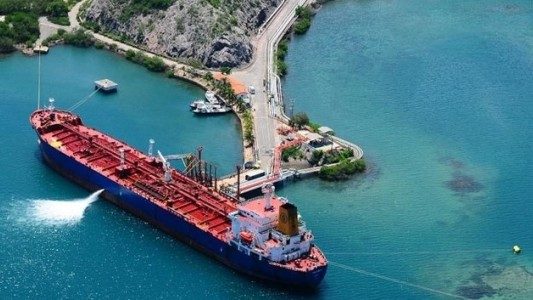
Major refiners and oil producers are circumventing commodity trading houses to secure direct supply agreements with Venezuela’s state oil company, reshaping refining economics and squeezing trader margins.
Major refiners and oil producers are increasingly bypassing global commodity trading houses to purchase Venezuelan crude directly from state-run Petróleos de Venezuela, S.A. (PDVSA). Companies including Phillips 66, Reliance Industries, and Chevron are locking in direct supply contracts, dismantling the intermediary dominance that characterized the market's recent reopening.
This structural shift allows PDVSA to capture higher realized prices by eliminating reseller premiums, fundamentally altering Gulf Coast refining economics. For integrated energy majors, direct access secures reliable heavy sour crude volumes without the markup previously demanded by middlemen.
Trading firms like Vitol and Trafigura initially capitalized on the market’s reopening. Armed with exclusive U.S. government licenses valid until June 2027 and superior logistical networks, the pair moved more than 100 million barrels over a six-month period while competitors remained locked out.
That temporary advantage is now eroding. Phillips 66 recently received a direct allocation of three Merey 16 cargoes in July, a heavy grade tailored for its U.S. Gulf Coast facilities. Meanwhile, Chevron has expanded its Venezuelan exports to an average of 293,000 barrels per day in the second quarter, up from 223,000 barrels per day earlier in the year.
Chevron’s strategy includes a finalized asset swap that raised its stake in the Petroindependencia joint venture to 49 percent and secured new development rights in the Orinoco Oil Belt. Analysts estimate that maximizing these production capabilities could add up to $700 million annually to the company's operating cash flow.
International refiners are executing similar maneuvers. India’s Reliance Industries loaded a two-million-barrel cargo directly from PDVSA in April. European majors Repsol and Eni have also expanded direct liftings to offset billions in receivables accumulated from supplying the domestic Venezuelan market with gas and diluents.
The two companies co-manage the Cardón IV project and are pursuing agreements to sustain domestic gas supply with long-term liquefied natural gas export ambitions. Despite the surge in direct contracting, Venezuela’s production recovery faces tangible headwinds.
The country contends with a severe shortage of functional oilfield services and drilling equipment. Total Venezuelan oil and fuel exports surpassed 1.2 million barrels per day in mid-2026, up from an average of 847,000 barrels per day in 2025, with targets of 1.37 million barrels per day by year-end.
While a 17 percent production increase remains technically feasible by 2028, operational constraints will likely dictate the actual pace of expansion.