Houthi Red Sea Blockade Threatens 4 Million Bpd of Saudi Oil
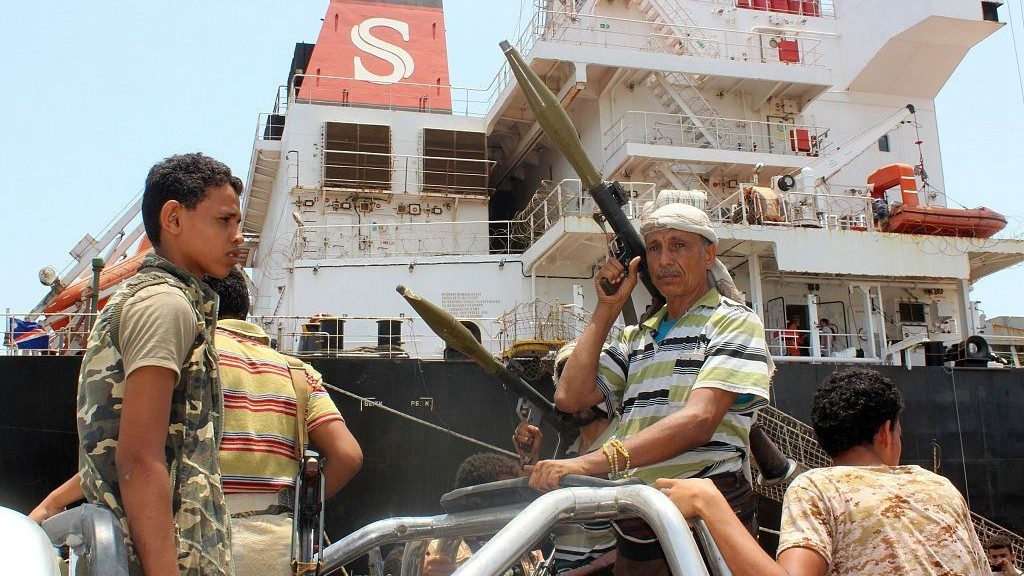
Yemen's Houthis have declared a naval blockade on Saudi Red Sea ports, threatening a critical workaround for disrupted Hormuz shipments and risking a renewed surge in global oil prices.
Yemen’s Houthis declared a naval blockade on Saudi Arabia’s Red Sea ports on Monday, directly threatening up to 4 million barrels per day of redirected Saudi crude exports.
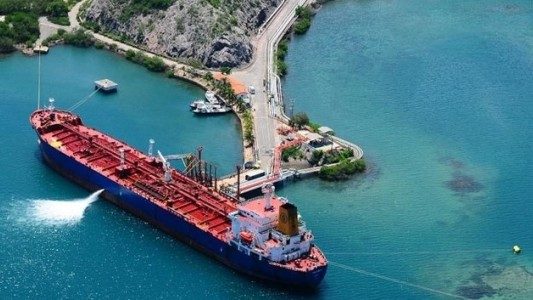
This volume represents a critical workaround established by Riyadh after the Strait of Hormuz became effectively disrupted by recent U.S.-Iran hostilities. By rerouting these barrels through the Red Sea, Saudi Arabia had successfully quelled trader fears of a severe shortage, a dynamic that now faces sudden reversal.
Traders who recently pushed prices lower on hopes for a U.S.-Iran peace deal are now confronting a physical supply shock. “After oil prices moved higher on escalating U.S.-Iran tensions last week and the resulting slowdown in Hormuz transits, traders are watching for catalysts that would justify a further rally,” said Richard Bronze, executive director of Energy Aspects. “The Houthis resuming maritime attacks and effectively shutting the Bab el-Mandeb would certainly qualify.”
The Bab el-Mandeb Strait typically handles over 7 million barrels daily. ING analysts Warren Patterson and Ewa Manthey noted that several tankers are already altering course to avoid the chokepoint, forcing vessels bound for Asia to enter and exit the Red Sea via the Suez Canal. This detour adds significant time and freight expense to voyages, squeezing refined product markets further.
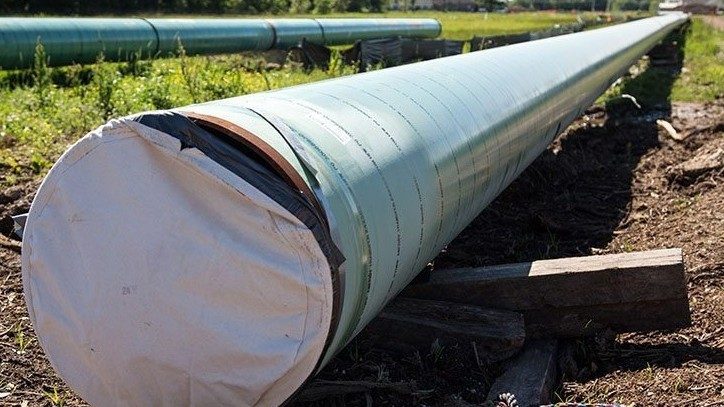
The Red Sea threat compounds separate supply disruptions originating in the Black Sea. “The disruptions facing the market don’t end in the Middle East,” ING’s Patterson and Manthey wrote. Russia’s CPC terminal has stopped receiving oil from Kazakhstan due to ongoing tanker attacks, suspending loadings for a pipeline that ships 1.7 million barrels daily. Analysts warn an extended suspension could force Kazakhstan to curtail its upstream production entirely.
These simultaneous outages arrive as government inventories sit depleted following months of strategic stock releases designed to cap retail fuel prices. Kpler commodity research director Matt Smith noted the immediate stakes: “The impact is going to be massive in the first month. The biggest impact is going to be on Saudi flows.” Should the blockade severely restrict these barrels, Stratas Advisors president John Paisie warned it could trigger broader economic damage. “It undermines the whole global economy,” Paisie said. “At some point, you could have a global recession.”