Musk Dodges SpaceX Merger Query Amid Tesla's Negative Free Cash Flow
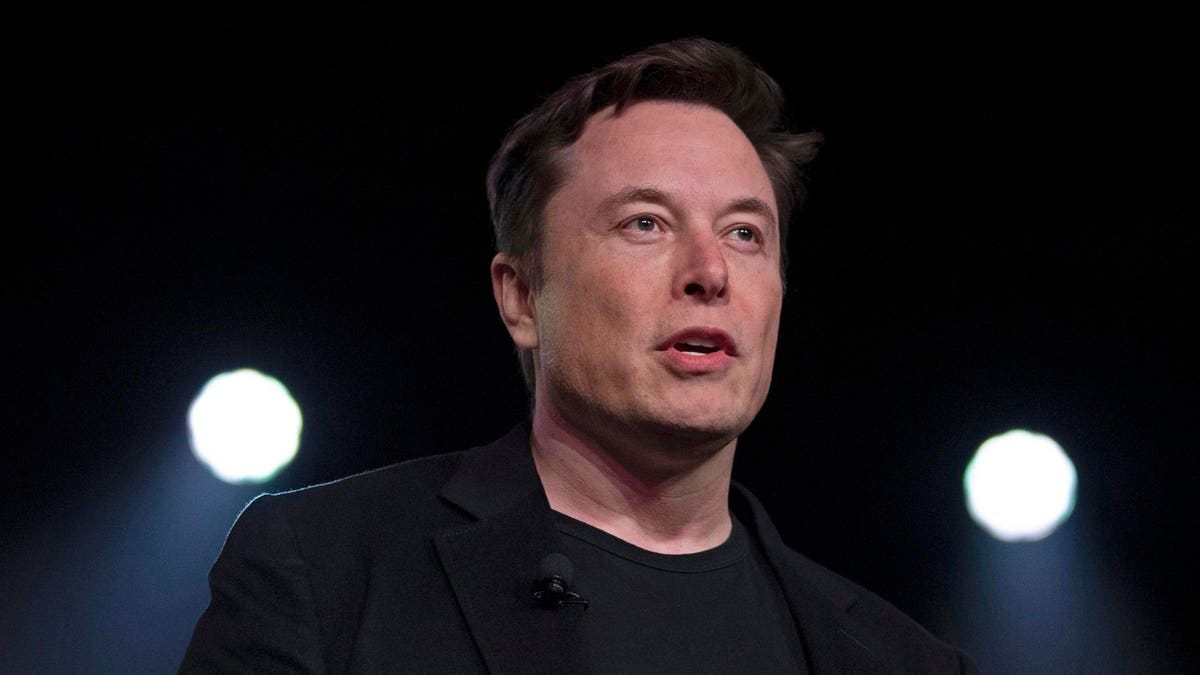
Elon Musk declined to address a potential Tesla-SpaceX merger on the automaker's earnings call, deflecting scrutiny as the company reported its first negative free cash flow in over two years to fund a massive capital expansion.
Tesla reported second-quarter revenue of $28.2 billion, beating consensus estimates of $27.2 billion. However, earnings of 33 cents per share badly missed the 55-cent projection. The automaker also burned just over $1 billion in free cash flow, marking its first negative quarter in more than two years.
The cash drain coincides with escalating capital demands. Chief Financial Officer Vaibhav Taneja reiterated that Tesla plans to spend more than $25 billion this year. He noted that this figure will likely rise in the coming years, putting pressure on profitability as the company funds new ventures.
During the earnings call, Wells Fargo analyst Colin Langan pressed Elon Musk on a potential merger with SpaceX. Musk declined to address a deal directly. "We can’t talk about, you know, combining companies and that kind of thing on an earnings call—it has got to be done with the appropriate process," Musk said.
Despite the deflection, Musk highlighted growing operational ties between the public automaker and his private rocket company. He emphasized "more and more overlap," pointing to the integration of SpaceX's Starlink internet into Cybertrucks and eventually all Tesla vehicles.
Part of the heavy capital expenditure is flowing into interconnected projects like TeraFab, a proposed AI chip manufacturing venture involving Tesla, SpaceX, and xAI. Musk noted that xAI, now a SpaceX subsidiary operating under the name SpaceXAI, will build an AI model to act as a "manager" for Optimus. Musk has claimed these humanoid robots could become the "biggest product ever."
Tesla's general counsel sought to frame the deepening ties as standard practice. The automaker will "continue to benefit from our relationship with SpaceX" through "numerous beneficial transactions" and mutual investments.
For investors, the dynamic raises familiar corporate governance questions. Tesla shareholders are bearing the financial risk of a massive spending cycle, while the technological benefits are increasingly shared with Musk's private entities.
Speculation about a formal combination remains high. SpaceX president Gwynne Shotwell recently told CNBC a deal "might make Elon’s life a little easier" due to clear synergies. Former Wedbush Securities analyst Dan Ives previously pegged the odds of a merger by 2027 at 80% or higher, arguing the "groundwork is already in place for both operations to become one organization."