US Job Growth Shifts Away From Traditional Sun Belt
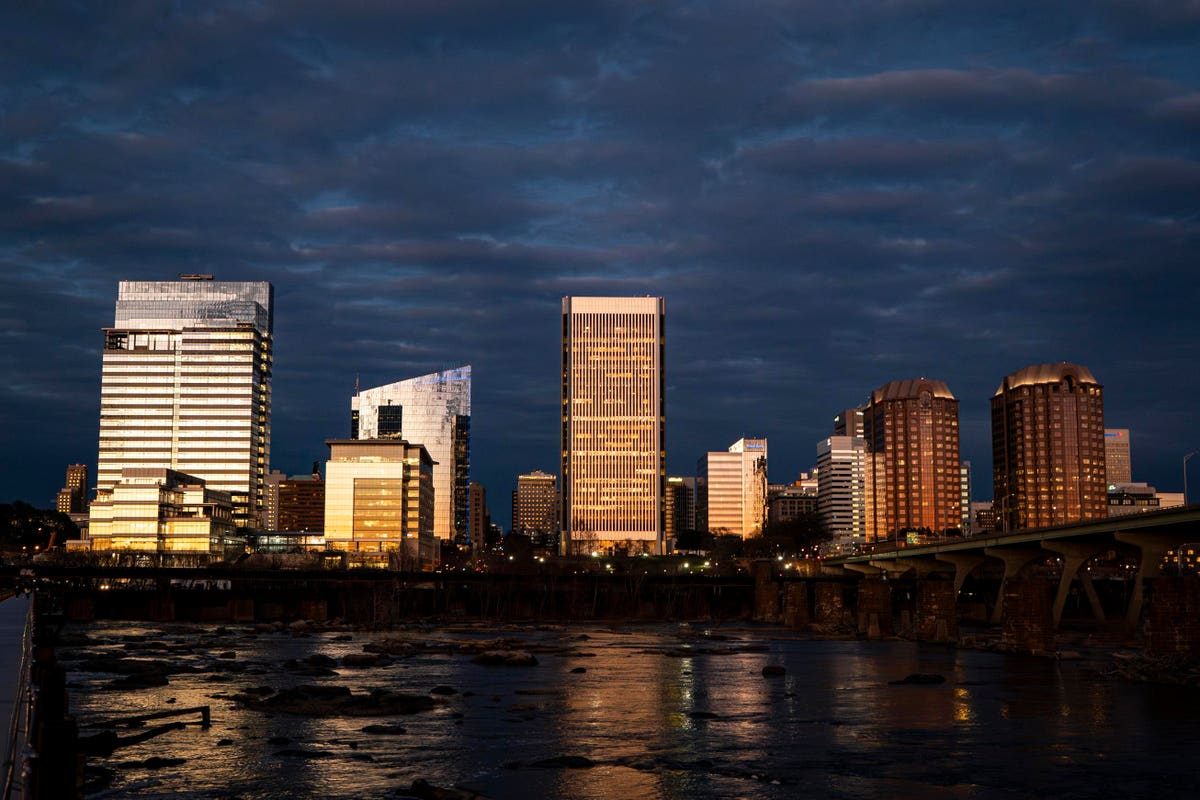
A softening US labor market is redirecting employment momentum away from dominant Southern tech hubs toward smaller, specialized metros where corporate infrastructure investment and housing affordability are attracting workers.
The US added just 57,000 jobs in June as unemployment held at 4.2% and labor force participation slipped to 61.5%. Amid this broader cooling, new data indicates employment growth is migrating away from traditional Southern giants toward a fragmented mix of smaller Rust Belt cities, state capitals, and college towns.
With nearly 80% of professionals reporting they feel unprepared for the 2026 job hunt, workers are prioritizing cost management. For corporate location strategists and commercial real estate investors, this geographic dispersion signals a structural break from a decade of capital and talent concentration in a handful of Sun Belt metropolitan areas.
LinkedIn’s "Cities on the Rise" ranking isolates this trend by excluding metros with more than 2.5 million platform members, focusing instead on areas with the strongest relative hiring and inbound migration. The top ten is led by Augusta, Georgia, followed by Richmond, Virginia; Reno, Nevada; Sarasota, Florida; Harrisburg, Pennsylvania; Charleston, South Carolina; Pensacola, Florida; Austin, Texas; Portland, Maine; and Tulsa, Oklahoma.
This fragmentation is heavily driven by targeted corporate capital expenditure. Richmond is drawing data center investment from Meta as four undersea fiber-optic cables terminate in the region. Fort Wayne, Indiana, where 27.2% of roles are remote compared to Austin's lower rate, is leveraging a $2 billion Google data center campus built on its existing aerospace and defense manufacturing base.
Cost differentials are acting as a primary magnet for a workforce priced out of larger hubs. Harrisburg boasts a median household income of just $48,100—the lowest on the list—but draws new residents with a median house price of $406,000, well below the national benchmark of $440,600. The city anchors its economy in stable healthcare and education sectors.
Specialization is also driving localized booms. Portland, Maine, is capitalizing on life sciences investments like the Maine Life Sciences Incubator, while Wisconsin’s Fox Cities are growing through healthcare and manufacturing anchored by downtown redevelopment. Myrtle Beach’s economy is shifting as well, with retirees now making up nearly a quarter of its population.
These smaller market gains contrast with the largest US metros, where growth remains highly concentrated. San Francisco leads major metros due to the artificial intelligence boom, followed by Minneapolis, New York, Seattle, and Chicago. Dallas ranked sixth, highlighting stalled momentum in the large Sun Belt cities that previously defined the national expansion.