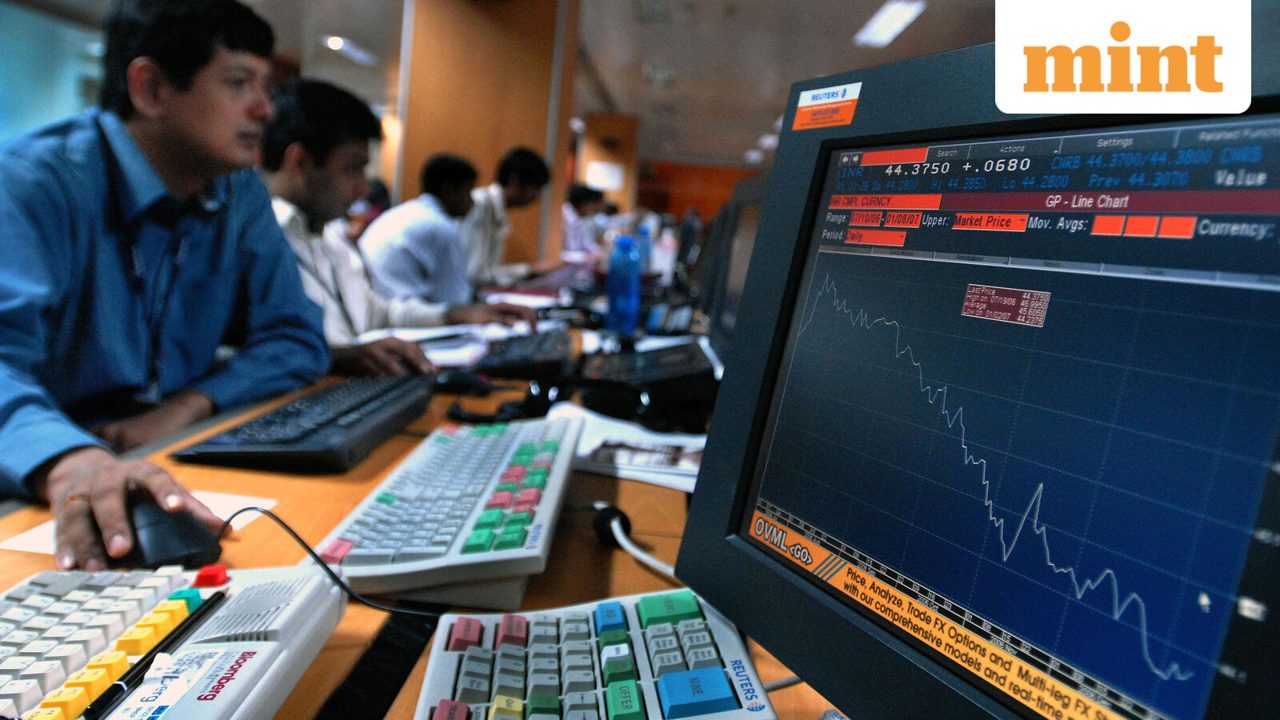
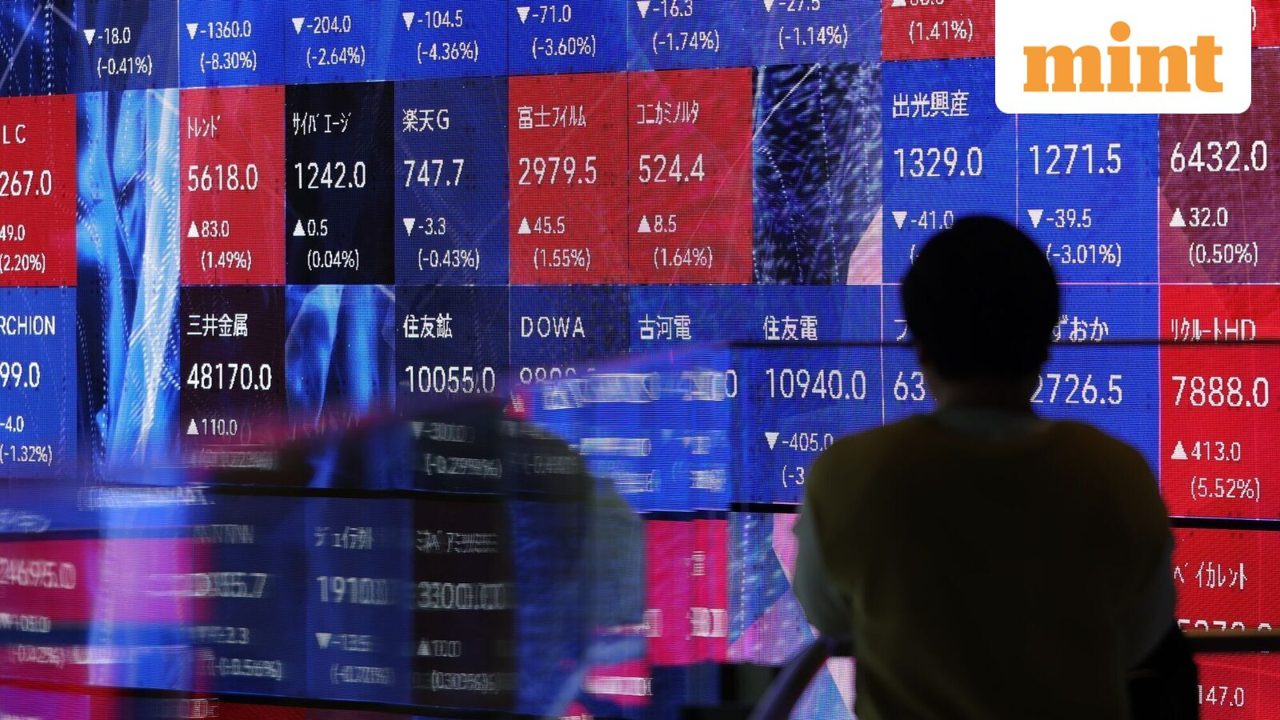
Trade-Weighted Yen Hits Record Lows, Pressuring BOJ Policy

The Bank of Japan's trade-weighted currency gauge has dropped to a record low, signaling broad-based yen weakness that threatens to accelerate imported inflation and force faster interest rate hikes.
The Bank of Japan’s nominal effective exchange rate index has slumped to unprecedented depths this year. This metric, which tracks the yen against a basket of trading partners, confirms that the currency's depreciation extends far beyond its headline-grabbing four-decade low against the dollar. The yen is weakening significantly against the euro, the pound, and various Asian currencies.
For market participants, this broad-based decline carries more severe implications than a bilateral dollar-yen move. A weaker trade-weighted yen drives up the cost of goods imported from multiple regions, amplifying inflationary pressures across the Japanese economy. This dynamic directly threatens consumer purchasing power and complicates the central bank's delicate effort to normalize monetary policy.
Policymakers are now signaling a readiness to raise borrowing costs faster than economists currently anticipate. The central bank is widely expected to keep rates unchanged at its July 31 meeting, but a December hike is firmly on the table. Officials recently lifted the benchmark rate to 1%, the highest level in 31 years, yet it has done little to arrest the currency's slide.
Previous attempts to shore up the currency have proven ineffective. Authorities deployed ¥11.73 trillion, or $71.9 billion, in foreign-exchange interventions between April 28 and May 27. Despite that massive outlay, the yen still breached 163 per dollar, a level not seen since 1986.
The currency remains under pressure from a combination of wide interest rate differentials, elevated oil prices, and lingering doubts about Japan's fiscal health. Until those structural drivers shift, the BOJ faces an uncomfortable choice between tolerating damaging imported inflation or hiking rates aggressively enough to choke off the economic recovery.