Brent hits $96 as Iran, Houthis threaten key oil routes
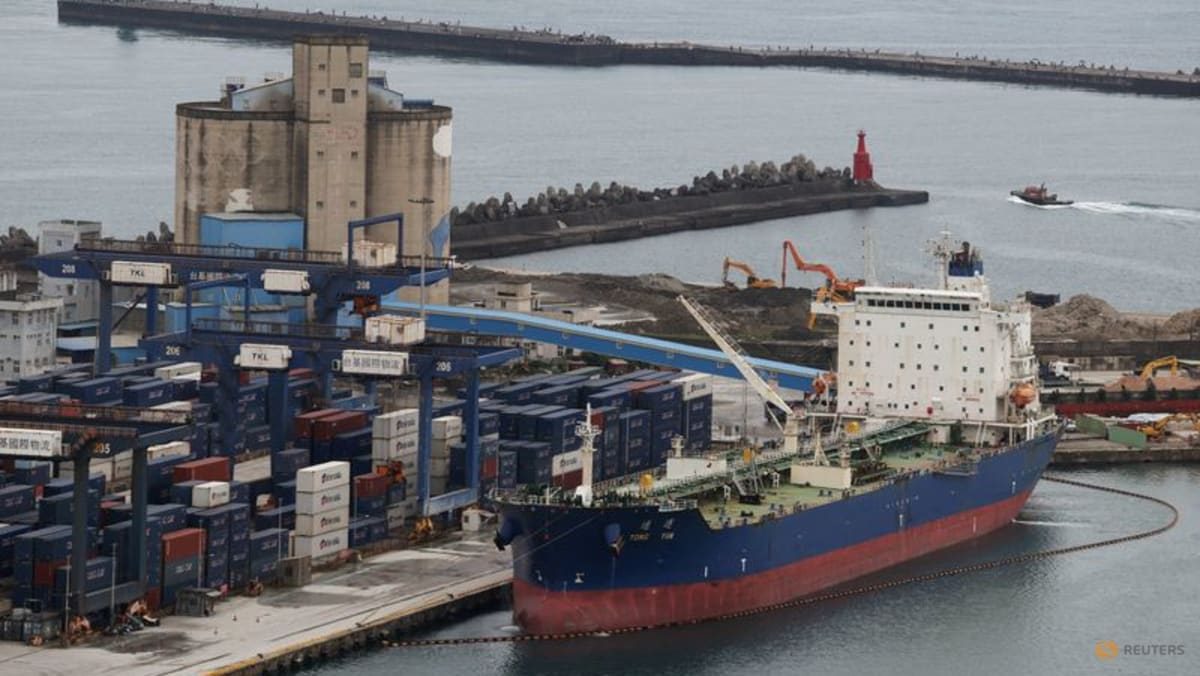
Oil prices surged to a six-week high after Iran declared the Strait of Hormuz closed and Houthi forces attacked a Saudi tanker, threatening severe disruptions to global energy supplies.
Brent crude jumped 2 per cent, or $1.93, to $96, reaching its highest level since June 8. US West Texas Intermediate gained 1.7 per cent, or $1.44, to $88.27. The price rally followed a near-3 per cent surge in WTI during the previous session, pushing Brent to a settlement of $94.07.
The immediate catalyst is a widening military conflict targeting two critical maritime chokepoints for global energy. The United States carried out a 12th consecutive night of strikes on Iran. This came hours after President Donald Trump pledged to destroy an Iranian bridge or power plant whenever Iran fires on a ship in the Strait of Hormuz.
Iran's Revolutionary Guards responded by declaring the strait "completely closed" while US actions persist. The group warned that no tanker would be allowed to enter or leave without coordination with Iran. They also claimed an oil tanker caught fire after hitting an explosive on a mined route south of the waterway, prompting two other vessels to turn back.
Simultaneously, Iran-aligned Houthi forces have opened a second front by announcing a naval blockade of Saudi Arabia in the Red Sea. The group claimed attacks on two Saudi oil tankers, with maritime security reports confirming the Saudi-flagged vessel Encelia was hit. The Houthis warned they would target ships carrying Saudi oil through the Bab el-Mandeb Strait and claimed to have forced roughly 10 vessels to retreat from Saudi ports.
For markets, the simultaneous threats to the Strait of Hormuz and the Bab el-Mandeb Strait represent a severe physical supply risk. This geopolitical premium easily overshadowed bearish domestic inventory data released on Thursday. The Energy Information Administration reported a 2 million barrel build in US crude stocks last week, sharply missing analyst expectations for a 1.1 million barrel draw.
The unexpected inventory build was driven by easing refinery runs, dropping crude exports and rising imports. Under normal circumstances, such a significant divergence from consensus estimates would pressure prices lower. Instead, traders are focusing on the potential for a prolonged disruption to Middle Eastern exports.
Warnings from the Revolutionary Guards that the southern route of the Strait of Hormuz is mined directly challenge the physical flow of oil. If the Houthi blockade of Saudi ports materialises, the disruption to global energy supplies will extend well beyond the Persian Gulf. This dual threat to maritime transit keeps a firm floor under crude prices.