Nigeria plans genomic city hub, targets $500m annual fund
Nigeria is establishing a national genomics hub and pushing for a $500 million annual research fund to transition its economy away from raw resource dependence and retain control over highly valuable African genetic data.
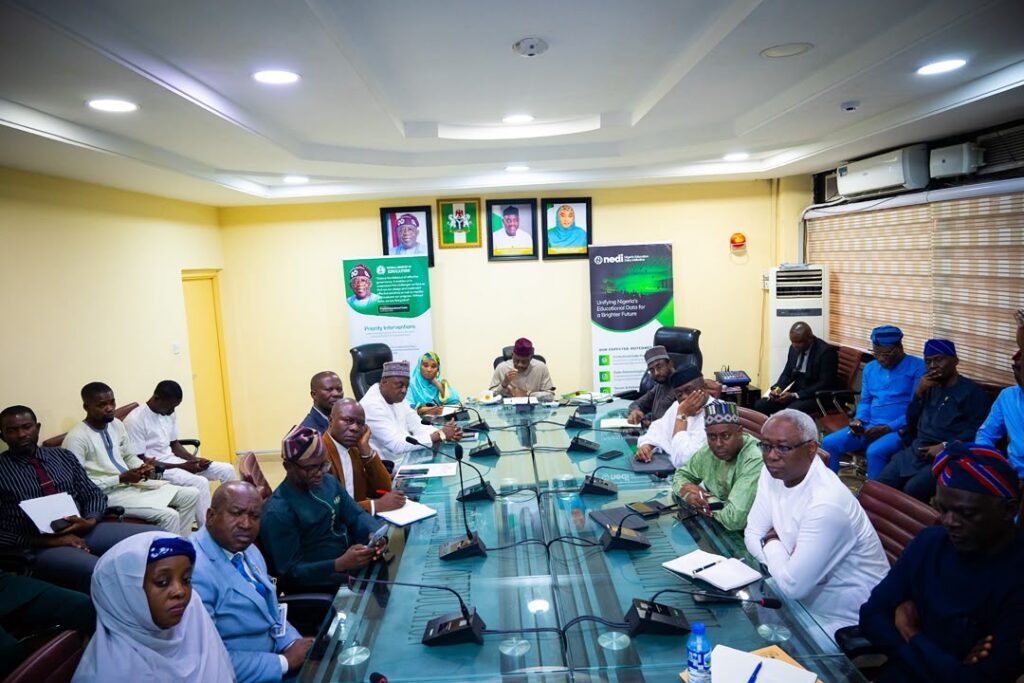
The Federal Government has announced the Nigeria Genomic City, a multi-agency initiative aimed at building a domestic biotechnology and precision medicine industry. Unveiled at a stakeholders meeting in Abuja on Wednesday, the project will be hosted by the University of Abuja with technological support from the National Information Technology Development Agency. Alongside the hub, the government is finalising legislation for a National Research and Innovation Development Fund designed to mobilise roughly $500 million annually.
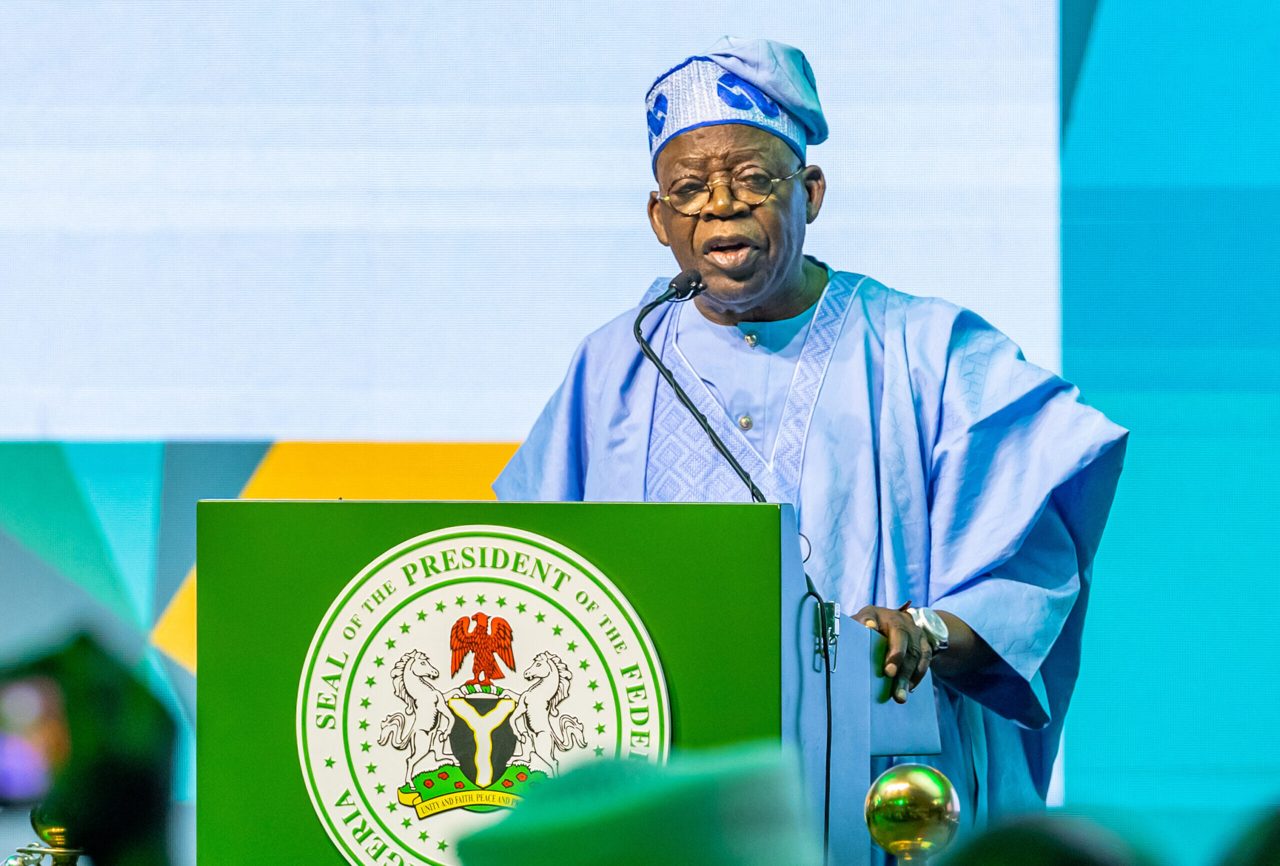
Conceived over 20 months ago, the project aligns with President Bola Ahmed Tinubu’s agenda to transition Nigeria to a knowledge-driven economy, representing a state-backed bid to capture a share of global trillion-dollar genomics markets. Structured to span multiple ministries, the initiative was intentionally designed as a standalone national asset rather than a single agency's portfolio. “The project is not about institutional ownership or individual interests. It belongs to Nigeria and is designed to serve future generations,” said Maruf Tunji Alausa, Minister of Education.
A core commercial tension driving the project is data sovereignty. Alausa warned that current international research partnerships routinely extract valuable African genomic data to generate significant commercial value abroad, with limited financial returns reaching the continent. By building domestic laboratory and data infrastructure, Nigeria aims to retain control over its genetic resources, strengthen intellectual property protections and eventually export proprietary biotech innovations.
Mayowa Ojo Owolabi, the project's initiator and a director at the University of Ibadan's Centre for Genomic and Precision Medicine, detailed plans to build a national platform integrating artificial intelligence and bioinformatics. The commercial applications will target disease treatment, alongside crop and livestock improvements to bolster food security. Suwaiba Said Ahmad, Minister of State for Education, pointed to Nigeria's growing technical workforce as the foundation needed to attract private capital and diaspora investment.
Officials framed the planned $500 million annual research fund as an urgent economic necessity, though it still requires legislative approval before President Tinubu can sign the enabling act. Once established, the capital will flow directly to universities and innovation hubs. “The biggest demographic dividend ever witnessed anywhere in the world could become a demographic calamity for us if we fail to act. We do not have a choice,” Alausa said.