India and South Africa Plan Major Oil Reserve Expansions
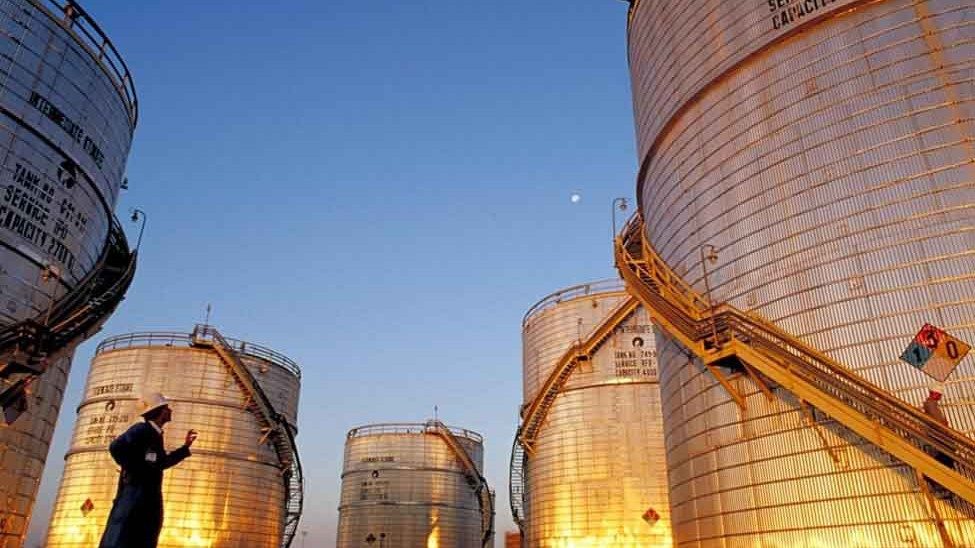
India and South Africa are planning to significantly expand their emergency oil stockpiles to shield their economies from supply shocks, a move that will require tens of millions of barrels of new crude purchases.
India and South Africa are moving to drastically expand their emergency oil stockpiles as global energy supply disruptions become a recurring threat. The two nations, which rely heavily on imported fuel, have outlined plans to build tens of millions of barrels of new strategic storage capacity.
In India, state-controlled Oil and Natural Gas Corp (ONGC) will construct a 13 million-barrel facility in Mangalore. ONGC's refining subsidiary, MRPL, already leases half of the existing 1.5 million-ton Mangalore reserve, with Abu Dhabi National Oil Co holding the other half.
The ONGC project complements a broader government push to more than double India's strategic reserves. Phase II of the expansion program will add another 47.6 million barrels of underground storage across Odisha and Karnataka.
Despite these efforts, India's state stockpiles currently cover only eight to nine days of net demand. Domestic refiners already hold 64 days of commercial inventory, but this still falls short of the 90-day threshold required of International Energy Agency members.
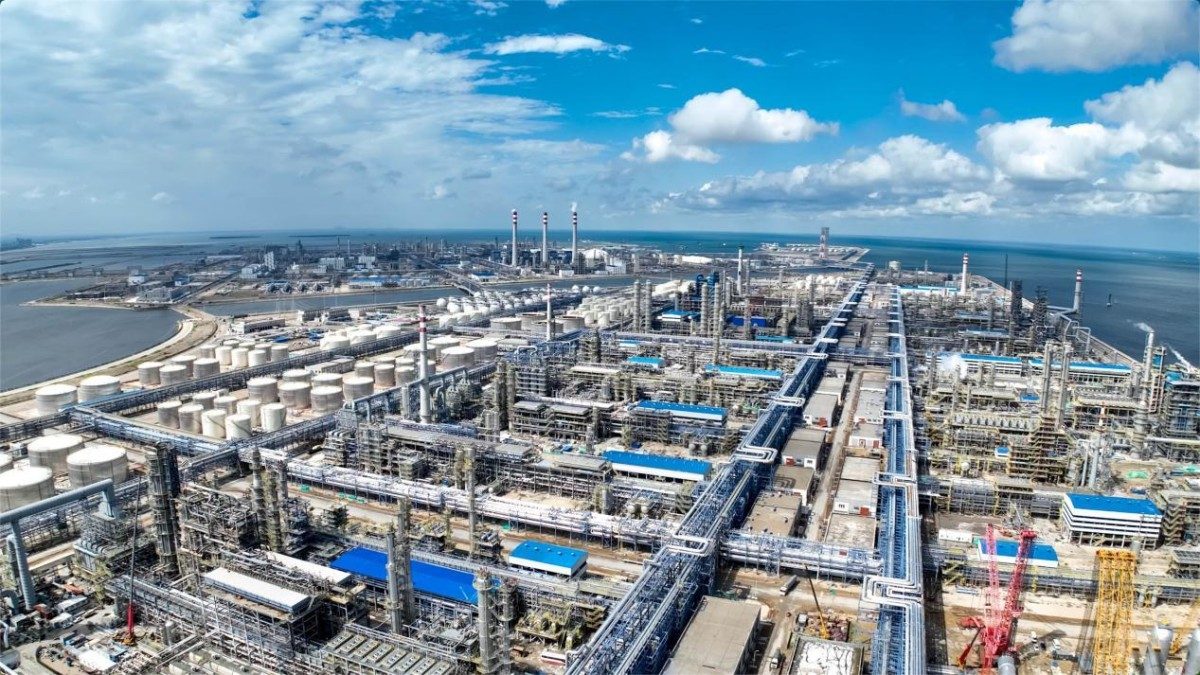
India imports more than 80 percent of its crude, leaving it highly exposed to chokepoints like the Strait of Hormuz during geopolitical crises. The country's overall refining capacity stands at roughly 5.2 million barrels per day.
South Africa faces even deeper vulnerabilities after closing roughly half of its domestic refining capacity due to aging infrastructure and upgrade costs. The country now depends almost entirely on imported gasoline, diesel, and jet fuel.
South Africa's current crude reserves stand at just 8 million barrels, partly due to a controversial 10 million-barrel state sell-off in 2015. A total supply interruption would cost the South African economy roughly $61 million a day.
A draft policy from the Department of Mineral Resources and Energy tasks the state-owned South African National Petroleum Company with building a 36 million-barrel reserve. This stockpile would consist of 70 percent crude and 30 percent refined products, initially targeting 60 days of national demand before rising to 90 days.
Licensed fuel importers and manufacturers would simultaneously be required to hold 14 to 21 days of commercial inventories at their own expense to absorb short-term disruptions.
For crude markets, these infrastructure programs represent a significant, long-term source of structural demand. The moves follow a record 400 million-barrel release by the IEA this March, spearheaded by a 172 million-barrel drawdown from the U.S. Strategic Petroleum Reserve after the Iran war triggered price spikes. As consuming nations outside the traditional IEA framework move to build buffers, their collective purchasing will provide a persistent baseline of physical oil demand.