Nigeria taps World Bank for $3.05bn in social spending
Nigeria has secured $3.05 billion in largely World Bank-backed funding for health, education and social protection programmes, signalling growing institutional confidence in the country's macroeconomic reform trajectory.
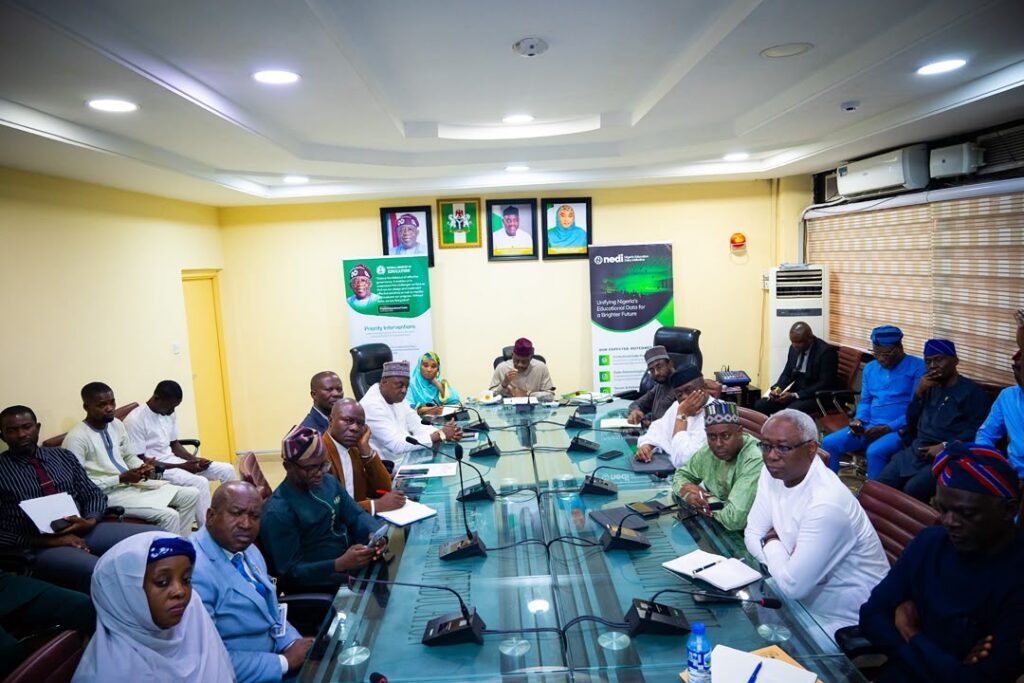
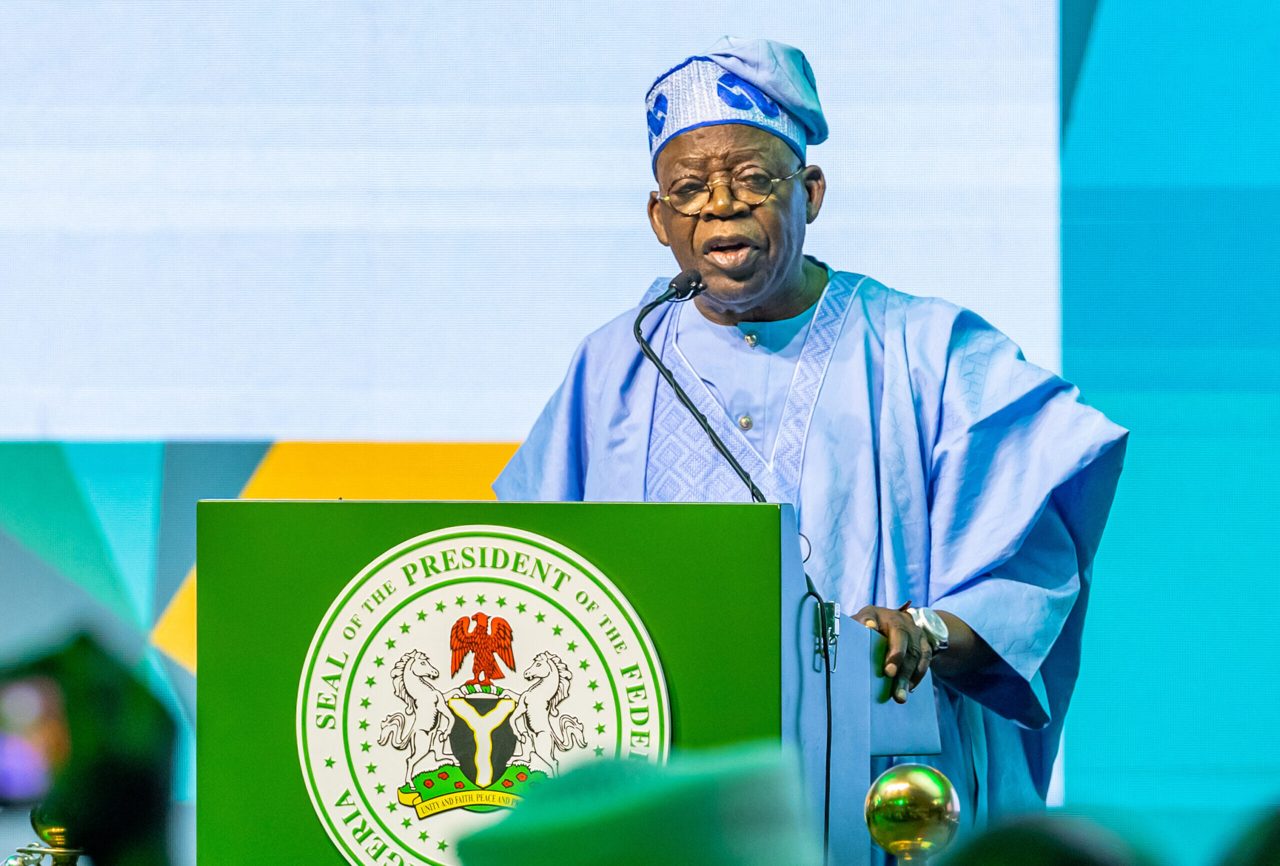
Nigeria has launched a $3.05 billion social investment package heavily backed by the World Bank, aiming to convert recent macroeconomic reforms into tangible improvements in healthcare, education and social resilience. The programmes were unveiled on Thursday in Abuja by Finance Minister Taiwo Oyedele on behalf of President Bola Tinubu.
The capital injection is divided across five primary interventions, anchored by a $1.5 billion allocation to the HOPE programme. This directs $570 million toward primary healthcare for an estimated 40 million people, while $562 million will assist 500,000 teachers and improve conditions across roughly 65,000 public schools. A further $1.25 billion under the NG-CARES programme will support smallholder farmers and small businesses, and $300 million is dedicated to the SOLID programme for internally displaced persons.
For investors, the World Bank's significant financial commitment underscores institutional confidence in Nigeria's current economic trajectory. Oyedele noted that stronger foreign exchange reserves and easing inflation provide the foundation for this expansion, pointing out that state cash transfers have already reached 15 million vulnerable households. Stabilising household income is critical for consumer-facing sectors that have been pressured by rising living costs, while both the Nigeria Governors’ Forum and the National Assembly have pledged support for implementation.
“This is not just a set of programmes; these are promises kept. Today, we act on our pledge by protecting the vulnerable, empowering communities and building the human capital that will carry Nigeria forward,” Oyedele said. The effective execution of these funds will ultimately determine whether the administration can sustain its reform momentum.
However, the structural challenges underpinning these interventions remain evident. While headline inflation cooled slightly to 15.91% in June 2026 from 15.93% the prior month, food inflation stayed elevated at 17.52%. The World Food Programme recently warned that more than 17 million people across conflict-affected northern states are facing acute food insecurity and require an additional $89 million in emergency funding over the next six months.
The government is attempting to address these agricultural deficits through targeted private-sector mobilisation. Earlier in July, Vice President Kashim Shettima launched a separate $500 million Niger Delta Agricultural Investment Fund intended to boost domestic food production. “These programmes represent another milestone in translating the Renewed Hope Agenda into concrete interventions that directly touch the lives of poor and vulnerable Nigerians,” said Budget Minister Atiku Bagudu.