Iran motorcycle prices jump 162% on currency shock, freight costs
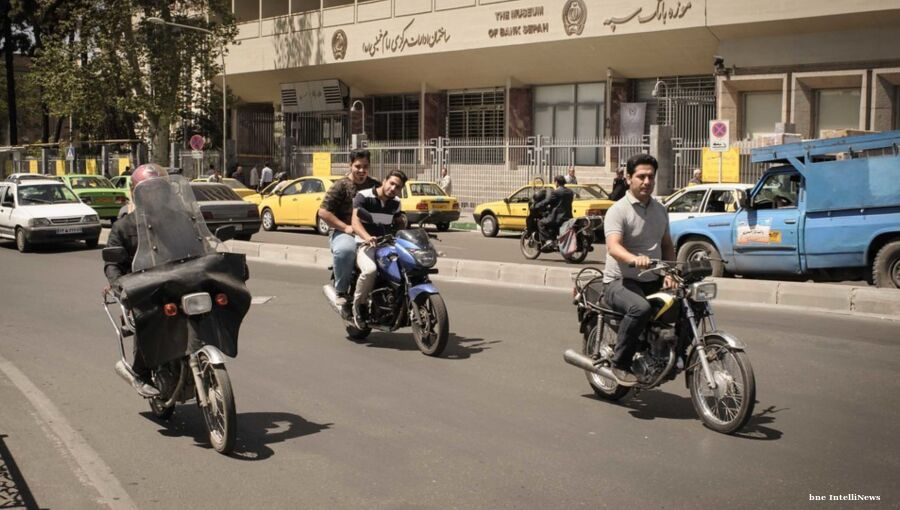
Iran's motorcycle prices have surged 162% over the past year, driven by the withdrawal of subsidized foreign exchange and signaling deep supply chain distress in the country's import-reliant manufacturing sector.
Iranian motorcycle prices surged 162% on average between July 2025 and July 2026, outpacing the broader economy and the domestic car market. The price spike makes motorcycles the third most inflation-affected category in the country, trailing only food and tobacco.
The surge reflects severe currency and logistics shocks hitting a sector previously viewed as a refuge for consumers priced out of the car market. Overall year-on-year inflation stands at 88.6%, with vehicle purchases at 124.1%, according to Iran's Statistical Centre.
Price increases varied by model but remained universally steep. The TVS Wego 110 climbed more than 218%, while the SYM JX249 and Galaxy TN110 rose around 209% and 191%, respectively. Even the most stable model in the high-volume segment saw a 130% increase.
The primary driver is the effective removal of subsidized foreign exchange. Industry figures note that no foreign currency has been allocated for motorcycle imports since June 2025. Importers must now source dollars through private markets or export proceeds, pushing the effective exchange rate from around IRR700,000 to between IRR1,800,000 and IRR1,900,000.
This near-160% depreciation in the sector's currency costs feeds directly into retail prices because Iranian motorcycle manufacturing relies heavily on imported components. Supply chain disruptions have compounded the foreign exchange shock.
A shift from sea to overland freight routes from China has driven container shipping costs from approximately $2,000 to between $10,000 and $12,000. While freight represents only about 5% of the final price, this fivefold increase adds further margin pressure that manufacturers are passing to consumers.
Analysts do not expect a price correction until the government restores currency allocations for the sector and freight routes normalize. Until then, the inflationary spiral will continue to erode purchasing power for a large segment of Iranian buyers.