UN flags drone, crypto adoption by Nigerian militants
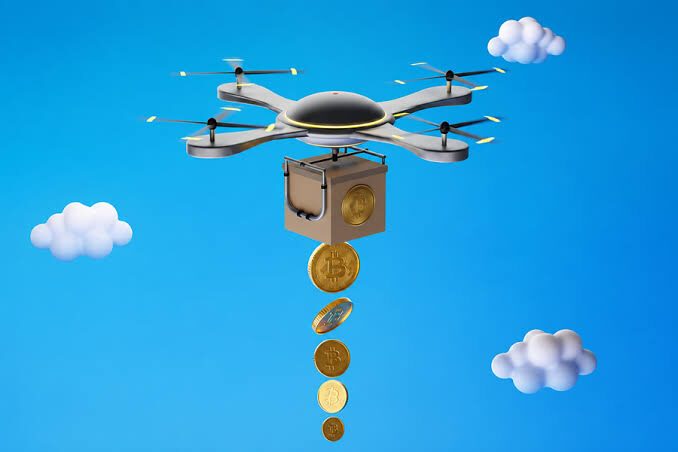
Terrorist groups in Nigeria are deploying commercial drones and digital assets, a technological shift the UN warns will complicate financial tracking and raise security risks for regional businesses.
Terrorist groups in northern Nigeria and the wider West African Sahel are deploying commercial drones and digital assets, fundamentally altering the risk profile for businesses and financial institutions operating in the region.
Leonardo Simão, the UN Secretary-General’s Special Representative for West Africa and the Sahel, issued the warning during a recent Security Council briefing. His report, covering developments from late November 2025 through June 2026, details a marked shift toward civilian technology by extremist factions.
For the private sector, the drone proliferation poses a direct physical threat. ISWAP has expanded its fleet by smuggling dozens of commercial quadcopters through networks around the Lake Chad Basin. These off-the-shelf devices, costing merely hundreds or a few thousand dollars, are being modified for reconnaissance and offensive operations. Nigerian troops have already recovered armed drones in Borno and Yobe states. This cheap aerial capability allows militants to monitor security forces and identify vulnerabilities in commercial infrastructure without risking fighters.
On the financial front, the UN highlighted cryptocurrencies as a growing complication for anti-money laundering efforts. Militant groups have historically relied on cash couriers, kidnapping ransoms and illegal taxation to fund operations. Digital assets now offer a mechanism for overseas supporters to transfer funds across borders while bypassing the traditional banking system entirely.
The UN did not quantify the volume of crypto transactions linked to Nigerian militants. It noted, however, that major blockchains maintain permanent public records, meaning sophisticated analytics can still help authorities track and disrupt these networks. Militants must rely on additional obfuscation methods, which carry their own detection risks.
Alongside drones and crypto, insurgents are adopting more sophisticated encrypted communications. This follows multiple Nigerian military operations designed to dismantle their existing communications infrastructure. For investors, this technological evolution signals that security expenditures and compliance costs in West Africa will likely continue to climb as militant tactics outpace current defensive frameworks.