Central Asia nears power self-sufficiency, sparking build-out
Four Central Asian nations are poised to end decades of energy reliance through massive investments in nuclear, hydro and renewable capacity, creating significant opportunities for infrastructure developers despite lingering climate and grid risks.
Kazakhstan, Kyrgyzstan, Tajikistan and Uzbekistan are approaching a long-sought milestone: electricity self-sufficiency. Since the dissolution of the Soviet Union in 1991, only Turkmenistan has managed to meet its own power demands, and even it suffers from outages due to neglected infrastructure. Now, the region's other four economies are racing to finish major generation projects.
For investors and energy developers, this pivot represents a substantial infrastructure boom. Governments are shifting away from a legacy of Soviet-era grid dependency toward a diversified mix of wind, solar, nuclear and hydroelectric power to support rapidly expanding industrial sectors and populations.
Kazakhstan is leading the charge in scale. Energy Minister Yerlan Akkenzhenov stated on February 6 that domestic sources will fully meet national demand by March 2027, with net exports beginning by 2029. The country generated 26,700 MW in 2025, heavily reliant on 13,800 MW of coal, but plans to add 26,000 MW by 2035, including 8,400 MW of wind and a 2,400 MW Russian-built nuclear plant.
Uzbekistan has already crossed the threshold. Deputy Prime Minister Jamshid Hojayev said in May that the country has transitioned from an electricity importer to an exporter as generation surged from 60bn to 85bn kWh. To sustain this against record-breaking demand—which hit 284mn kWh on July 14—Uzbekistan is adding 4,000 MW of green capacity annually and building a 2,100 MW Rosatom nuclear facility to supply 15% of its power.
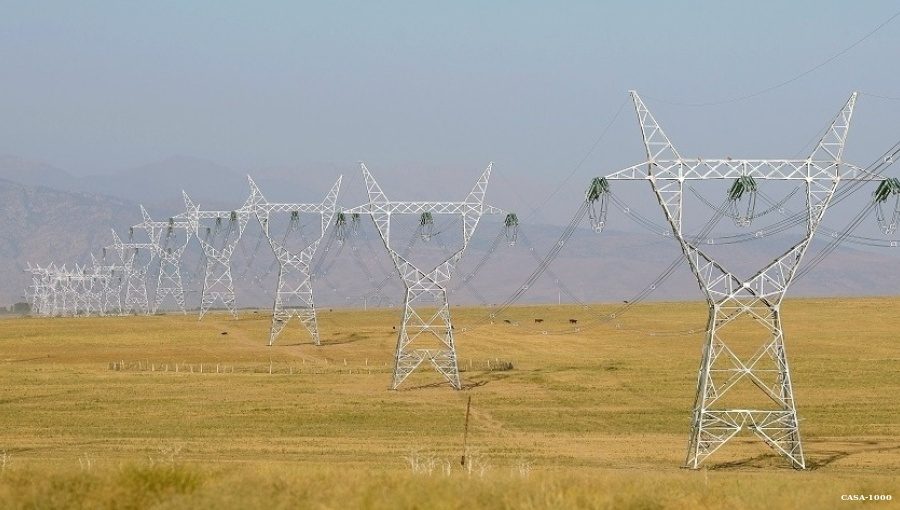
Kyrgyzstan and Tajikistan are betting on hydropower to end chronic winter rationing. Kyrgyz Energy Minister Altynbek Rysbekov said on July 8: “Given the construction of new solar and hydroelectric power plants… I believe that within the next three years we will be able to fully meet our own electricity needs.” Tajikistan expects to end restrictions by October 2027, banking on the third unit of the Rogun megaproject and solar expansions.
The transition carries distinct risks for investors. Both nations currently face acute crises, with Kyrgyz authorities enforcing evening blackouts and Tajikistan's Nurek reservoir—source of 70% of its power—approaching critical lows late last year. Furthermore, the entire region must eventually replace aging Soviet transmission networks, adding significant costs to an already massive capital expenditure cycle.