Back-to-school budgets hit $489 as shoppers favor fewer stops
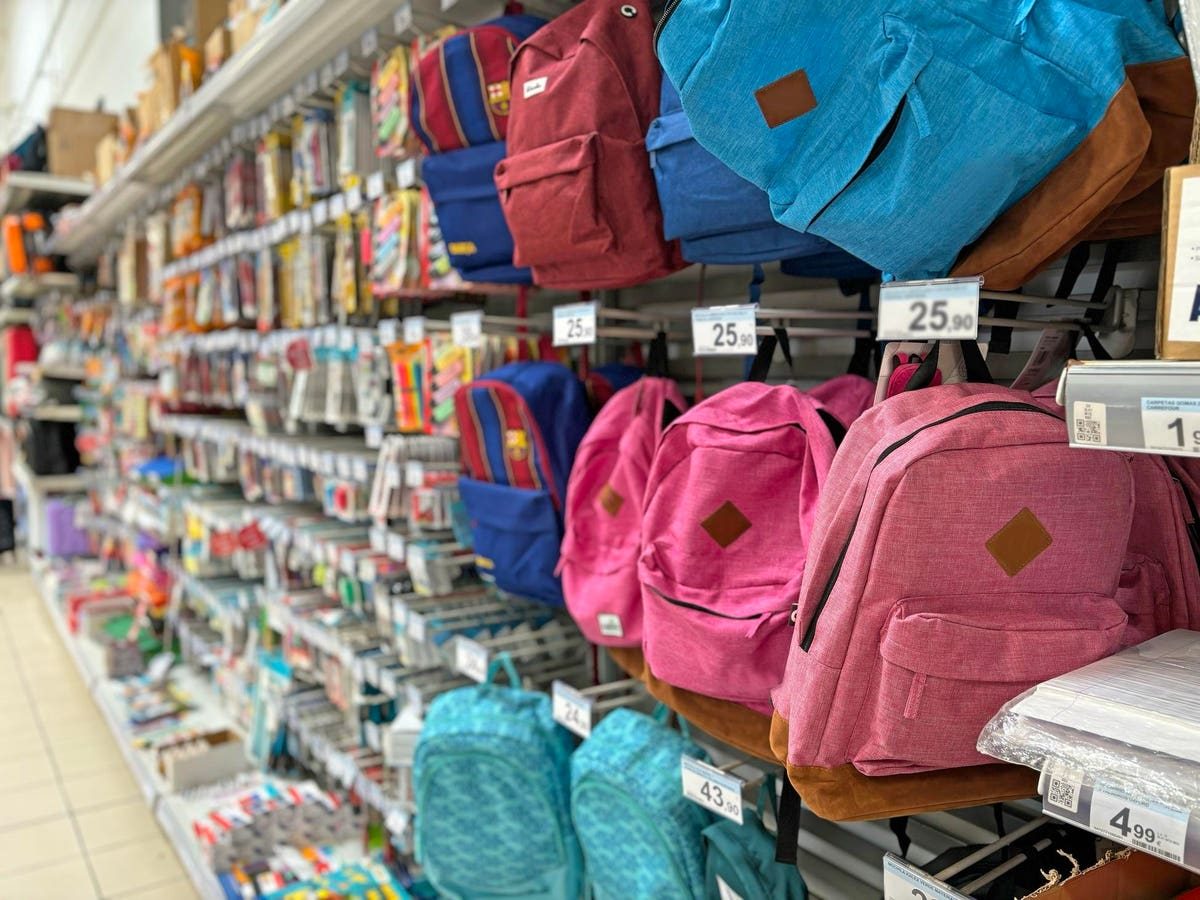
Parents plan to spend 11.7% more on back-to-school items this year, but a shift toward one-stop shopping threatens to squeeze retailers that cannot match the convenience of major big-box chains.
Parents plan to spend an average of $489 per child on back-to-school items this year, an 11.7% increase from 2025, according to JLL’s 2026 Back-to-School Shopping Report. The survey of more than 1,000 parents indicates that while overall retail budgets are expanding, the underlying dynamics driving those sales have fundamentally shifted.
The composition of the consumer base is changing. Unlike last year, when high-income households led the spending surge, middle-income families are now the primary engine of growth. Gen Z and Millennial parents continue to drive the highest transaction volumes, while Boomer-aged parents are the only demographic planning to spend less. Affluent parents have grown considerably less worried about inflation, whereas lower-income households now report the greatest financial pressure.
Nearly two-thirds of parents, or 64.4%, say inflation still dictates their purchasing habits, a figure barely changed from 65.2% last year. However, the response to that pressure has evolved. Discretionary purchases now account for a smaller share of the average back-to-school budget as families prioritize essential clothing and school supplies over impulse buys.
Timing has also normalized. High-ticket electronics and dorm furnishings require complex planning for older students, which has replaced 2025's inflation-driven panic buying. Just 36.7% of parents expect to shop before June, down sharply from 44.8% a year ago, returning July to its traditional status as the peak shopping month.
For retail investors and executives, the critical takeaway is rapid channel consolidation. More than three-quarters of parents still plan to shop in physical stores, yet they are deliberately reducing the number of retailers they visit. This flight to efficiency directly benefits the "Big 3"—Walmart, Target, and Amazon—which are strengthening their positions by offering broad assortments in a single trip. Dollar stores are simultaneously gaining traction among highly budget-conscious shoppers.
Retailers outside this top tier face a narrowing window to capture market share. While physical mall traffic has softened, the shoppers who do visit spend significantly more than average. To attract that lucrative foot traffic, mid-tier retailers and shopping center landlords must offer more than discounts; they must prove their stores remove logistical friction as parents increasingly define value as guaranteed product availability rather than just the lowest price.