Trump Scraps Hormuz Toll for Gulf Investments as Strikes Continue
President Donald Trump abandoned a proposed 20 percent toll on Strait of Hormuz shipping in favor of Gulf state investments, but ongoing US military strikes on Iranian ports keep severe supply chain risks for global energy markets firmly in place.
The White House abruptly reversed course on a proposed 20 percent fee for cargo transiting the Strait of Hormuz, opting instead for impending trade and investment agreements with Persian Gulf states. "Based on highly productive conversations with Middle East leadership, I have decided to replace the 20% United States Reimbursement Fee with Trade and Investment Deals that the various Gulf States will be making into the United States,” Trump wrote on Truth Social. He provided no specifics regarding these commitments, characterizing the expected inflows only as “MASSIVE.”
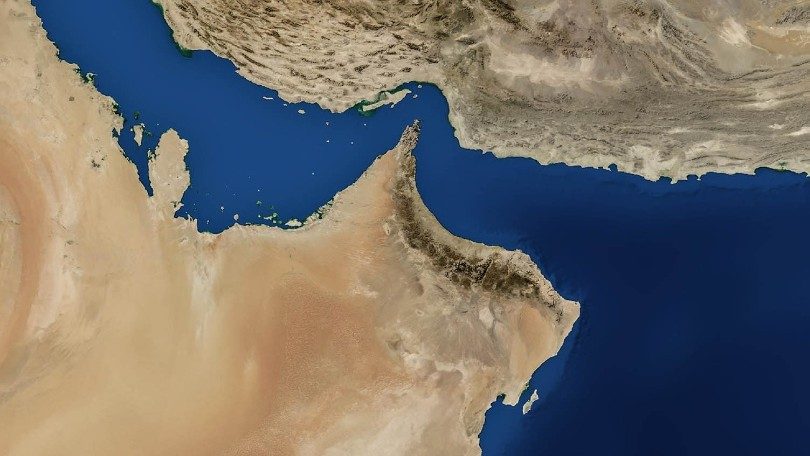
The policy pivot coincided with a significant military escalation. US forces struck targets across southern Iran on July 14, with explosions reported near the key port of Bandar Abbas, the Bushehr nuclear facility, and several coastal islands. Tehran responded by firing missiles throughout the Persian Gulf region, while the United Arab Emirates reported attacks on commercial vessels that left one crew member dead and at least eight wounded.
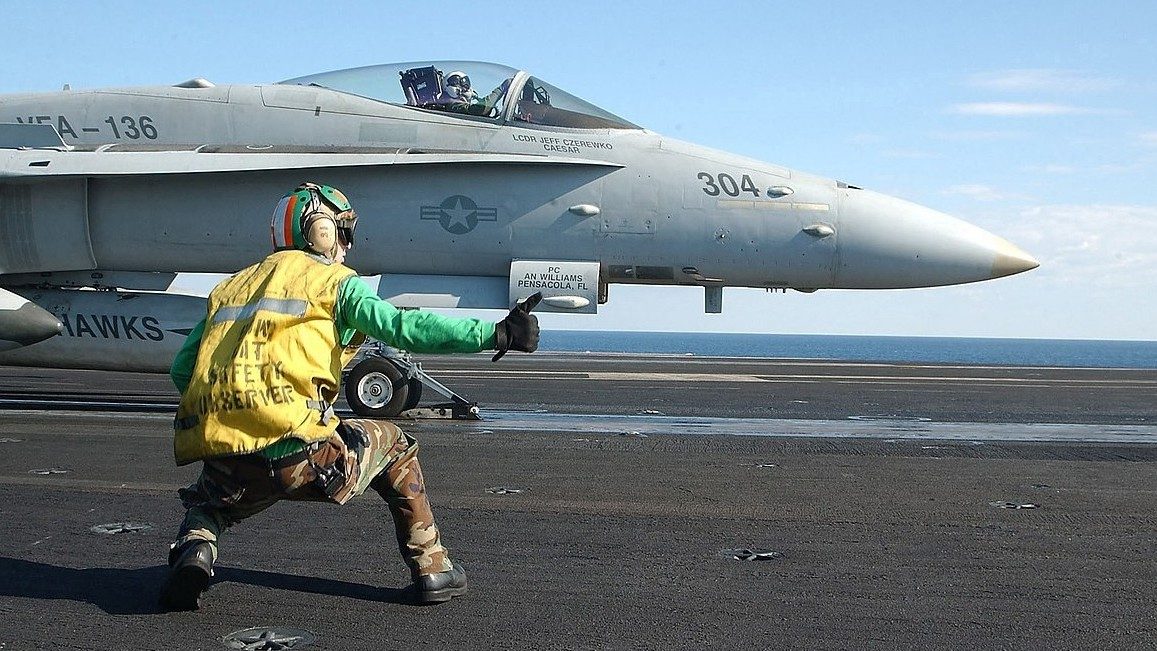
For market participants, the immediate concern is the operational reality in a waterway that handles roughly one-fifth of global energy transit during peacetime. US Central Command reinstated a naval blockade on Iranian maritime traffic at 4 p.m. Eastern Time on July 14. The Pentagon emphasized that forces would continue supporting traffic flow for all non-Iranian vessels, but the physical dangers of routing through the strait remain acute.
Diplomatic efforts to establish a safe shipping corridor collapsed over the weekend. Omani mediators presented proposals to Iranian officials that would have secured freedom of navigation through Omani waters without tolls, bypassing the contested "Southern Highway" route promoted by Trump. Iran’s delegation left the talks to forge a unified internal position, only to subsequently fire on a commercial vessel and announce the closure of the waterway.
The breakdown effectively ends a Memorandum of Understanding signed last month that had raised hopes for a negotiated settlement. Trump notified Congress over the weekend that the US is once again at war with Iran, triggering a 60-day window for military action without legislative approval. "Yeah, I think a deal is possible. Sure, I do," Trump told reporters, though he acknowledged recent negotiations faltered.
The broader political trajectory points to sustained volatility. Iran’s new Supreme Leader, Mojtaba Khamenei, vowed retaliation for the February killing of his father. Until a concrete ceasefire materializes, shipping insurers and energy traders are left pricing in the persistent risk of collateral damage in one of the world's most critical maritime chokepoints.