N720bn funding gap exposes Nigeria health financing risks
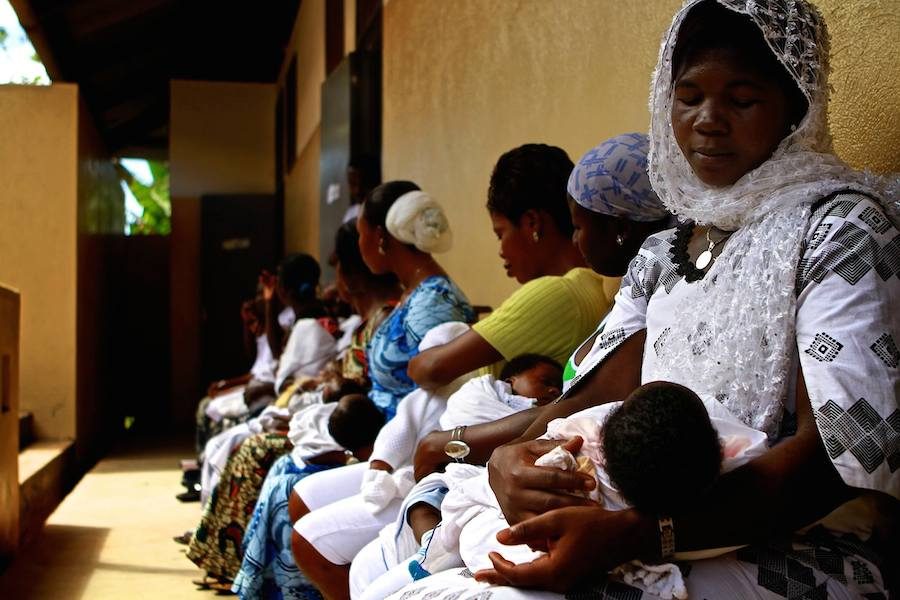
A N720 billion annual funding shortfall in Nigeria's maternal health sector highlights deep systemic flaws in sovereign budget execution and an overreliance on donor aid that leaves the economy exposed to external shocks.
Nigeria requires N3.68 trillion annually to fund its national health operational plan, but a N720 billion shortfall is stalling critical maternal and newborn interventions across its 36 states and the Federal Capital Territory.
Government funding accounts for N1.70 trillion of the total requirement, while development partners like the World Bank and the Global Financing Facility are projected to provide N1.25 trillion. Analysts warn that this structural reliance on foreign donors leaves the country's health infrastructure highly vulnerable to external funding shocks.
The deficit stems from chronic sovereign underfunding and severe budget execution failures. Federal health allocations consistently fall short of continental commitments, with the 2026 health budget of N2.51 trillion representing just 3.67% of total national spending. This remains far below the 15% target mandated by the Abuja Declaration, with historical health allocations stagnating between 3.5% and 6%.
Even the funds that are officially allocated routinely fail to reach frontline medical facilities. “Budget performance analysis across Nigerian states consistently shows that actual health expenditure frequently falls between 30 and 50 per cent below approved allocations,” said Biobele Davidson, Strategic Health Systems Lead at the BudgIT Foundation.
Davidson highlighted the Basic Health Care Provision Fund as a primary example of these structural bottlenecks, citing delayed federal releases, inconsistent state counterpart funding, and limited institutional capacity to absorb resources. Furthermore, the diversion of local government funds by state authorities continues to deprive primary care centers of capital constitutionally reserved for frontline services.
For the broader economy and the private insurance sector, this public sector failure translates into a heavily distorted consumer health market. Households currently finance between 69% and 77% of all health expenditures directly through out-of-pocket payments. This acts as a severe barrier to accessing care, keeping formal health insurance coverage below 5% among the estimated seven million Nigerian women who give birth annually.
The human and economic toll of this financing vacuum is concentrated in priority states including Sokoto, Niger, Kaduna, Bauchi, Gombe, Adamawa, Kwara, Plateau, and Nasarawa. According to Dayo Adeyanju, National Lead of the Maternal and Neonatal Mortality Reduction Innovation Initiative, preventable deaths in these regions are driven by systemic delays in seeking, reaching, and receiving care.
Nigeria currently accounts for up to 20% of global maternal deaths despite representing just 2% of the world’s population. Roughly 82,000 women die annually from pregnancy-related complications like postpartum haemorrhage and eclampsia—conditions experts note are largely preventable with adequate financing.
While a 2022 Supreme Court judgment affirming local government financial autonomy presents a potential mechanism to unlock primary healthcare funding, its implementation remains incomplete. Without enforced accountability mechanisms and improved budget execution, the N720 billion gap will continue to suppress both health outcomes and the development of a viable domestic health insurance market.