FIFA World Cup $20bn private equity sale risks rejection by federations
A proposed $20 billion private equity sale of World Cup commercial rights faces a high risk of defeat after Europe and North America's football federations threatened to boycott competitions over the deal.
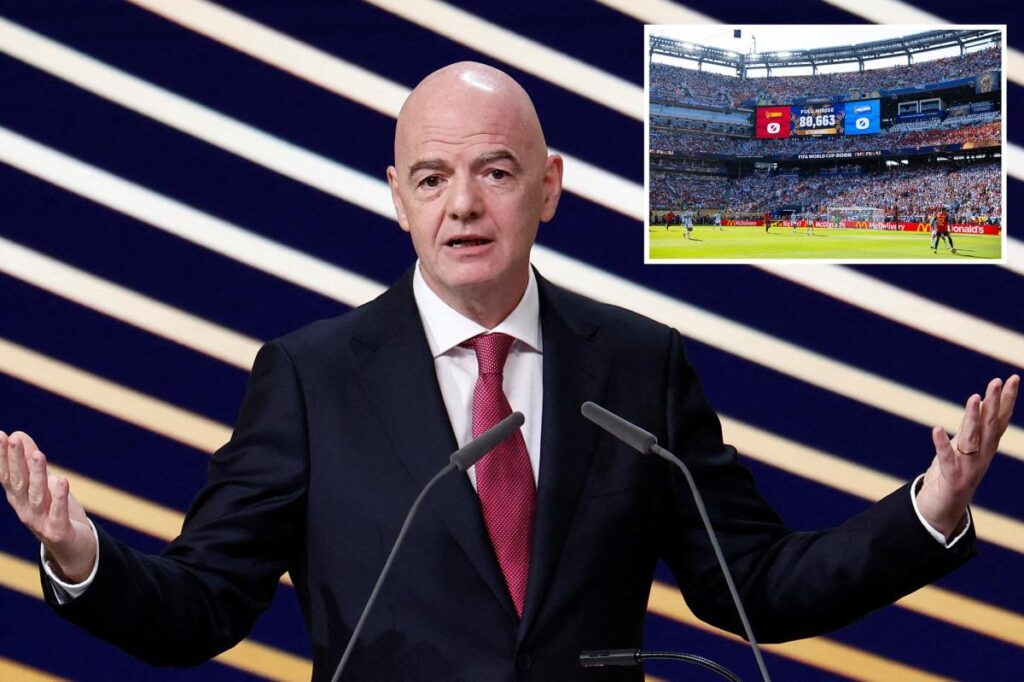
FIFA’s plan to sell up to 30% of World Cup commercial rights to private equity has drawn firm rejections from Europe and North American football bodies, jeopardizing a deal that values a new subsidiary at $20 billion. UEFA and its 55 member associations warned they would withdraw their national teams from FIFA competitions if the Forward Enterprise project proceeds. Concacaf and its 41 associations also unanimously rejected the proposal on Thursday, followed by the Asian Football Confederation expressing solidarity on Friday.
The operation has reportedly attracted interest from funds including Thrive Capital, but the institutional backlash threatens to derail what would be one of the largest sports-related private equity transactions. Opponents argue the World Cup cannot be treated as an investment product, citing a lack of procedural safeguards, insufficient oversight from FIFA’s governing bodies, and an artificially short timeline for the vote. Concacaf also noted that football development should be funded from existing reserves following the most profitable World Cup on record.
FIFA has pushed back against the backlash, attributing the controversy to media inaccuracies and insisting it will retain full control of the new company. To secure the 106 votes needed from 211 national associations on September 19, FIFA is bypassing the confederations and appealing directly to individual members. The governing body offered to raise development funding to as much as $24 million per association.
The South American confederation, Conmebol, has stopped short of rejecting the plan outright but is demanding details on the structure, governance, and financial impact. With only ten member associations, Conmebol holds limited direct voting power. Meanwhile, the internal political cost of the proposal became apparent when Carlos Cordeiro, a senior adviser to FIFA president Gianni Infantino, resigned on Friday. Cordeiro stated he had no part in drafting the proposal and considers it a bad deal for the sport.