Nicaragua moves to extend presidential term, deepening political risk
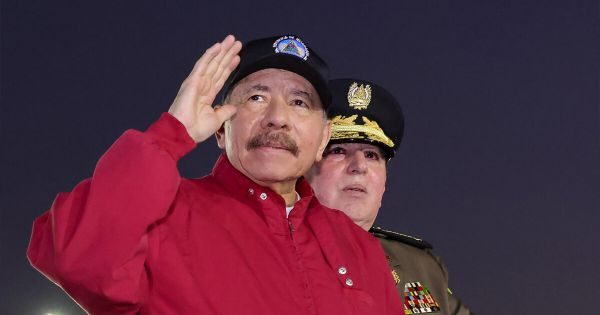
Nicaragua's National Assembly has opened consultations on a bill to extend the presidential term to seven years, adding to institutional uncertainty that raises the country risk profile for foreign investors.
Nicaragua’s National Assembly this week began consultations on a constitutional reform that would extend the presidential term from six to seven years, renewable, while barring government opponents from participating. The bill is scheduled for a vote in early September.
If passed, the reform would require approval in two successive legislatures, pushing final ratification to the first half of 2027. This marks the second constitutional overhaul in 18 months, following a February 2025 amendment that extended the term from five to six years, created a co-president role for Rosario Murillo, and delayed general elections from November 2026 to November 2027.
The actual implications for Nicaragua's political calendar remain deeply unclear, creating significant policy uncertainty for businesses operating in the country. At a July 19 rally, President Daniel Ortega declared there would be no more elections in the country. However, Parliamentary Speaker Gustavo Porras subsequently stated that elections would still take place under a new constitutional framework designed to block foreign interference. The full text of the bill has not been published.
The proposed changes also extend the appointment terms for the army commander in chief and police chiefs to seven years. Murillo claimed the drafting process has been shared with the diplomatic corps.
The initiative has triggered immediate regional pushback, raising the risk of further diplomatic isolation. US Secretary of State Marco Rubio called for regional action on July 21, leading Panama and the Dominican Republic to recall their ambassadors. Brazilian President Luiz Inácio Lula da Silva also voiced criticism, while the governments of Mexico and El Salvador have not commented.
US Ambassador to the Organization of American States, Andrew Stevenson, is sponsoring a resolution to convene a meeting of foreign ministers to deliberate on collective measures. Stevenson specified that the resolution does not authorize the use of armed force. Nicaragua formally withdrew from the OAS in 2021, with the exit taking effect in November 2023.
The geopolitical backdrop for these tensions shifted significantly in January, when a US military operation in Caracas resulted in the capture of Venezuelan President Nicolás Maduro. Ortega referenced that operation critically in his July 19 speech, highlighting the elevated threat perception within the Nicaraguan government.
An exiled opposition group, Hagamos Democracia, published a survey claiming 44.9% of Nicaraguans favor direct international intervention, though the poll lacked a defined sample size or margin of error. A further 38.9% of respondents said increased foreign pressure would only harden domestic repression.