Japan and Singapore show aging can drive growth
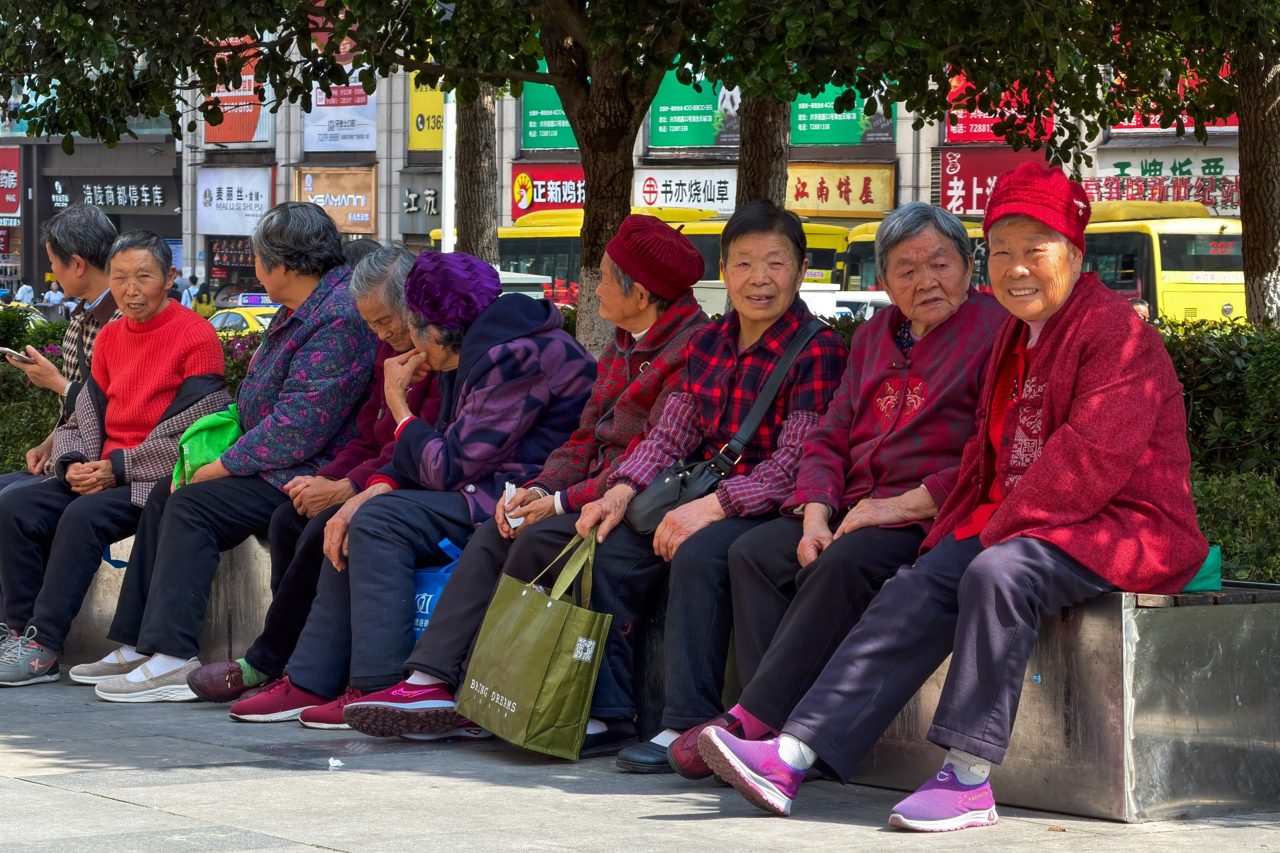
Japan and Singapore are proving that integrating healthcare reform with labor market policies can turn aging populations into an economic asset rather than a fiscal drag.
Japan and Singapore are reframing the economic impact of aging populations. Rather than accepting shrinking workforces and rising healthcare costs as inevitable fiscal drags, both nations are treating longer lifespans as a catalyst for growth.
The two countries take fundamentally different approaches to healthcare financing. Japan relies on a universal system with a nationally regulated fee schedule that standardizes medical prices, supported by Employees’ Health Insurance and National Health Insurance schemes. Private insurance plays only a supplementary role. Singapore, by contrast, uses a system built on compulsory medical savings and cost-sharing through its 3Ms framework—MediSave, MediShield Life, and MediFund—designed to make individuals more responsible for their spending.
Despite these structural differences, Japan and Singapore share a core strategy: spending better rather than simply spending more. Both are shifting from hospital-centric models toward preventive and community-based care. Singapore’s Healthier SG and Age Well SG initiatives promote regular screening and healthier lifestyles. Japan pairs its Health Japan 21 program with regular revisions to medical fees, cost-effectiveness assessments for new technologies, and closer integration of healthcare and long-term care.
Digitalization and artificial intelligence are central to these efficiency drives. Both nations are deploying technology to improve service delivery and increase price transparency, aiming to contain costs without sacrificing access to care.
Linking health to labor markets
The critical insight from both countries is that healthcare policy cannot be separated from labor market strategy. Healthier older populations are only an economic asset if they remain in the workforce. Japan and Singapore lead the world in healthy life expectancy and labor force participation among older workers precisely because they pair healthcare reforms with employment policies.
Singapore actively promotes lifelong learning, career transitions, re-employment, and age-friendly workplaces. Japan implements similar measures to keep older workers economically active, a strategy that takes on added importance as AI and automation reshape job requirements.
For investors and executives, this integration signals where capital will flow. As ASEAN+3 economies—comprising ASEAN, China, Japan, and Korea—face their own demographic transitions, the Japan-Singapore model points to growing demand for preventive care, digital health tools, and workplace adaptation services.
Health spending efficiency varies widely across the ASEAN+3 bloc. Higher-income economies generally achieve better outcomes, but system design matters as much as resources. Japan’s standardized fee schedule, for instance, supports more efficient delivery than systems with fragmented pricing. Some ASEAN nations still face basic capacity constraints, particularly the uneven distribution of healthcare workers in rural areas.
The broader lesson for regional markets is that demographic headwinds are not immutable. Policymakers retain significant control over whether aging becomes a fiscal burden or a growth opportunity. For markets, the distinction matters: economies that successfully extend working lives through integrated health and labor policies will likely outperform in long-term growth potential.