FTC clears IonQ's $1.8bn SkyWater acquisition
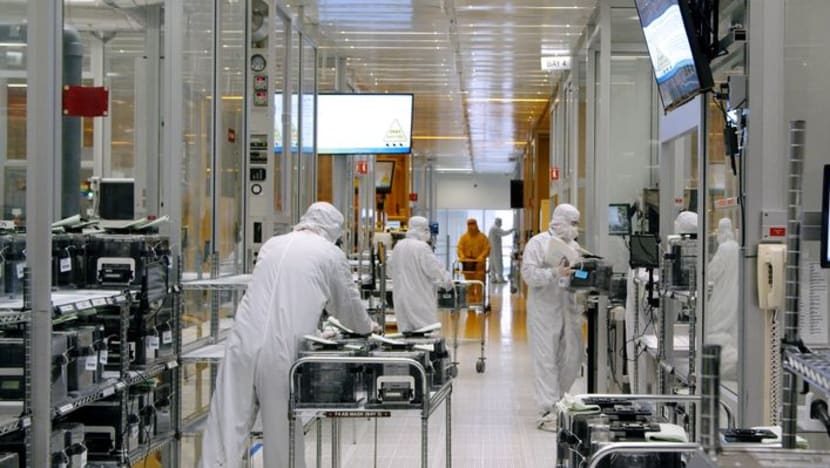
The U.S. Federal Trade Commission has approved IonQ's $1.8 billion purchase of the largest U.S.-based chip foundry, removing regulatory risk but leaving rival quantum firms without guaranteed manufacturing access.
The U.S. Federal Trade Commission has cleared IonQ's $1.8 billion acquisition of SkyWater Technology, allowing the quantum computing firm to absorb the largest semiconductor foundry based in the United States. The approval was announced on July 31.
The deal closes without the behavioral conditions usually attached to vertical mergers of this scale. This outcome stemmed from a public disagreement between the agency's chairman and a commissioner.
Chairman Andrew Ferguson had proposed requiring IonQ to grant fair access to SkyWater's manufacturing lines. Several rival quantum computing companies hold ongoing contracts with the foundry.
Ferguson sought these measures to protect competition as the U.S. adds chip manufacturing capacity. Restricting rival access to SkyWater could fundamentally alter the competitive landscape for quantum hardware developers.
Commissioner Mark Meador rejected this approach. "I believe the merger would not lessen competition," Meador said in a statement.
The split decision meant the commission could not agree on an order setting conditions. Without a unified vote to impose restrictions, the agency was forced to allow the transaction to proceed unencumbered.
"Because the two could not agree on an order setting conditions, 'the next-best option is to get out of the way and permit the merger to close,'" Ferguson said.
For investors, the clearance eliminates a major regulatory hurdle for IonQ. The $1.8 billion valuation reflects a strategic effort by the quantum company to secure dedicated domestic manufacturing capacity.
SkyWater's position as the largest U.S.-based foundry makes it a critical asset amid federal efforts to onshore semiconductor production. Owning this capacity gives IonQ vertical integration that peers lack.
The unencumbered approval transfers the supply chain risk from IonQ to its competitors. Rival quantum firms that previously relied on SkyWater must now negotiate with a direct competitor for foundry space.
Ferguson's proposed conditions would have legally protected those rivals. Without such an order, IonQ holds full discretion over SkyWater's production schedules and capacity allocation.
The regulatory resolution also highlights a structural limitation in U.S. antitrust enforcement. When commission leadership is divided on merger remedies, the default outcome is an unconditional clearance, regardless of stated competitive concerns.