Vodafone pays £85m franchise settlement amid UK regulatory push
Vodafone has resolved an £85m legal claim from former franchisees while facing renewed political pressure to overhaul UK franchising regulations following a tragic death.
Vodafone has confidentially settled a high court claim brought by 62 former franchisees over allegations the telecoms group unfairly retained up to £85m of their money. The agreement was reached without any admission of liability, according to a joint statement from the parties.
The claimants represented nearly 40% of Vodafone's 167-store franchise network. Their legal action highlighted the severe financial risks embedded in franchising contracts, particularly the use of personal guarantees that can expose small business owners to substantial losses.
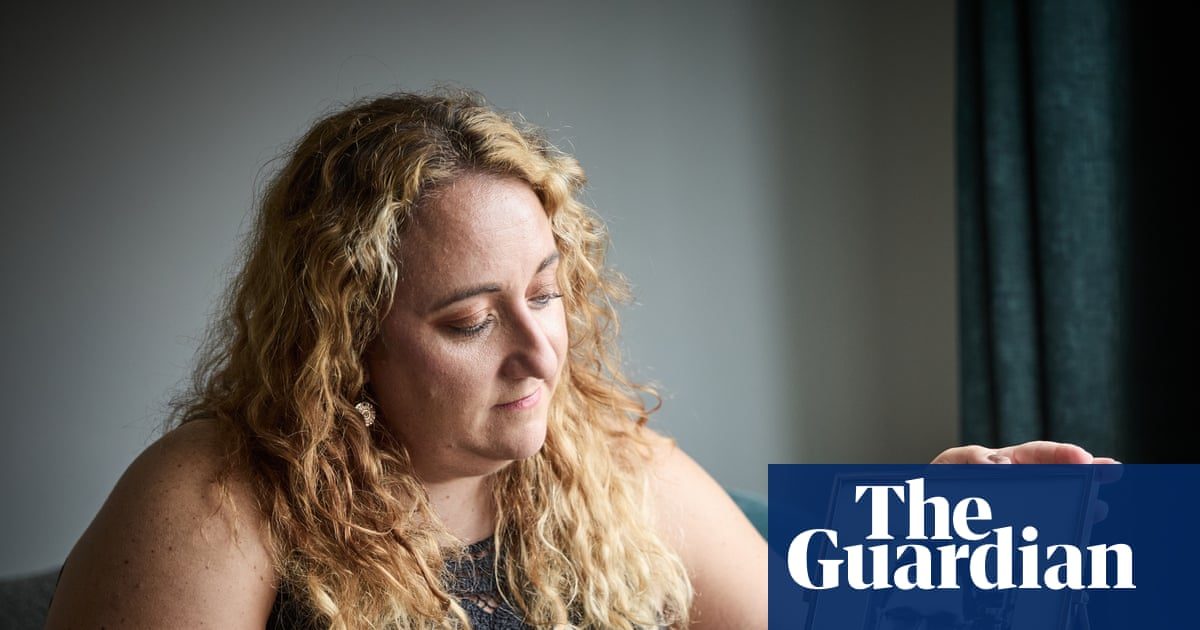
The settlement coincides with a targeted campaign for stricter industry oversight, driven by the family of Adrian Howe. Howe, 58, was found drowned in August 2018, days before his franchise was due to open. His family alleges he became convinced the deal would be financially ruinous after Vodafone required him to take on a second, struggling store in Kilmarnock, backed by a personal guarantee on his family home.
This contractual mechanism is now the focal point of a lobbying effort for "Adrian’s law". Kirsty-Anne Holmes, Howe’s daughter, recently met with the Department for Business and Trade to demand a new governing body for franchise agreements. "The fact that franchisors like Vodafone can put anything into a contract, such as personal guarantees, is really bad behaviour," she said.
The political momentum has already materialised. In January, then-prime minister Keir Starmer pledged to review laws governing franchising agreements after the case was raised in parliament. Holmes emphasised the need for legislative continuity, stating she does not want the issue "forgotten and brushed under the carpet just because someone else takes over as prime minister."
Vodafone has maintained that it acted appropriately throughout its franchise operations. "While we are sorry if any partners have had a difficult experience, we reject any suggestion that our franchisees were put under undue pressure," a UK spokesperson said. The company also "wholly rejects" any claim it knowingly or recklessly subjected franchise partners to unreasonable pressure.
For corporate leaders and investors, the £85m payout and subsequent regulatory push signal a potential reckoning for the UK’s franchising sector. The current regulatory vacuum allows for aggressive contract terms, but legislative intervention could force widespread restructuring of franchise agreements, limiting corporate flexibility and altering the risk profile of expansive retail networks.