Iran declares Strait of Hormuz transit impossible after US strikes

Iran's new maritime authority has formally closed the Strait of Hormuz to commercial shipping following a major escalation in US military strikes, threatening global energy supply chains.
Iran’s Persian Gulf Strait Authority (PGSA) declared transit through the Strait of Hormuz impossible on July 12, effectively shutting down the world’s most critical oil shipping chokepoint. The newly established body cited recent US military movements as the justification for the halt.
The closure immediately followed a sharp military escalation. US Central Command reported striking approximately 140 targets inside Iran on July 11, hitting missile and drone sites, naval assets, and communication networks. This was in retaliation for an earlier Iranian strike on a commercial vessel. Iran responded by firing missiles and drones at US bases and various Gulf states, including Kuwait, Bahrain, Qatar, the UAE, and Jordan. Qatar reported three injuries from intercepted attacks, while Jordan's military confirmed missiles fell within its borders. Drone strikes also targeted Oman's Musandam province, which directly overlooks the strait.
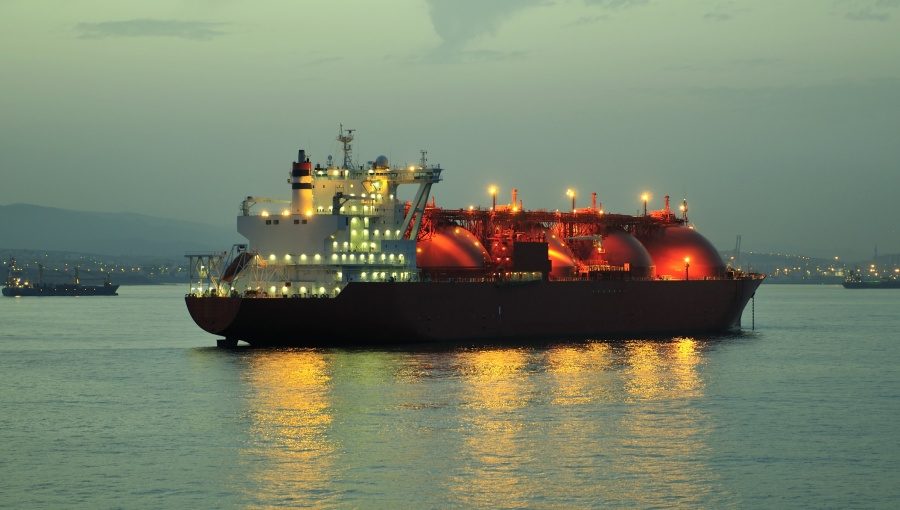
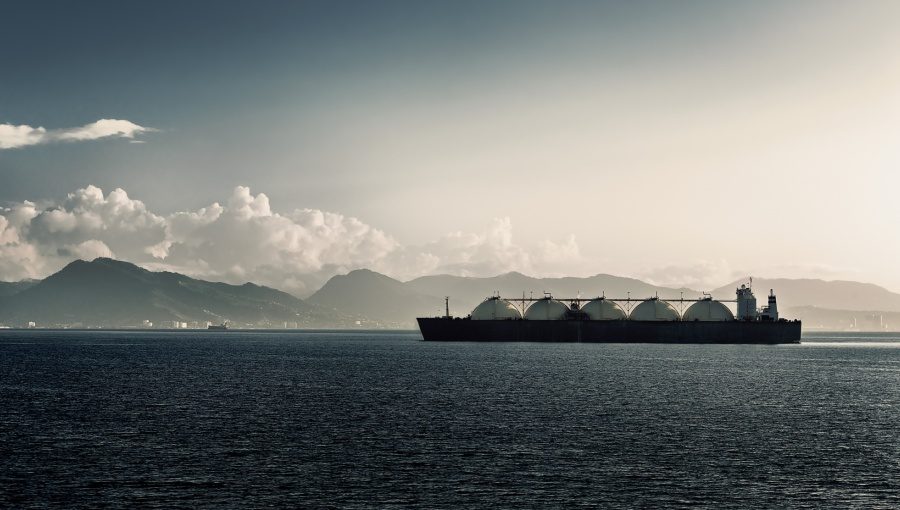
For energy markets and global shipping, this declaration formalizes a disruption that has crippled tanker movements since the US-Iran war began on February 28. The PGSA now serves as the sole arbiter of Hormuz transit under post-ceasefire arrangements. Vessels must apply for permits exclusively through the authority’s website and are required to use an approved route hugging the Iranian coast, abandoning the traditional southern lane near Oman. By retaining operational control over the waterway, Tehran is weaponizing global energy supply chains, creating sustained uncertainty for crude futures, freight rates, and regional trade logistics.
The immediate pretext for the closure was a confrontation in the strait involving a ship that deviated from these new rules. Iran's Revolutionary Guards claimed they stopped the vessel after firing warning shots. US Central Command countered that the ship was disabled by fire and engine room damage from an Iranian strike. India's government confirmed that 10 of its citizens were rescued from the incident, with one remaining missing.
Iran is clearly linking the strait's operational status to broader geopolitical negotiations with Washington and Muscat. This leverage was on display on July 11, when Iran's foreign minister met with Omani and Qatari officials in Muscat to discuss maritime security. Those diplomatic efforts were quickly undermined by Iran's subsequent attack on logistical and refuelling facilities for US aircraft carriers at Oman's Duqm port, a strike Oman formally condemned.