Record LNG trade hits 437mn tonnes as spot supply eases Hormuz shock
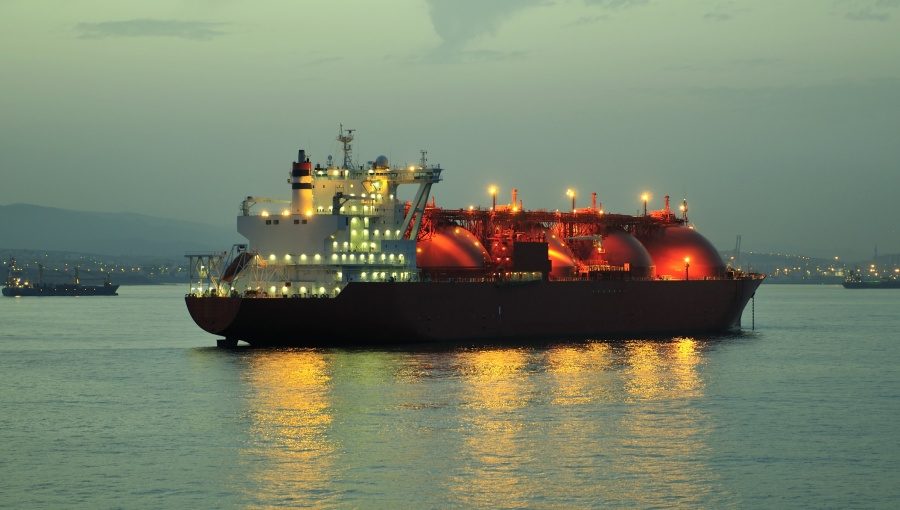
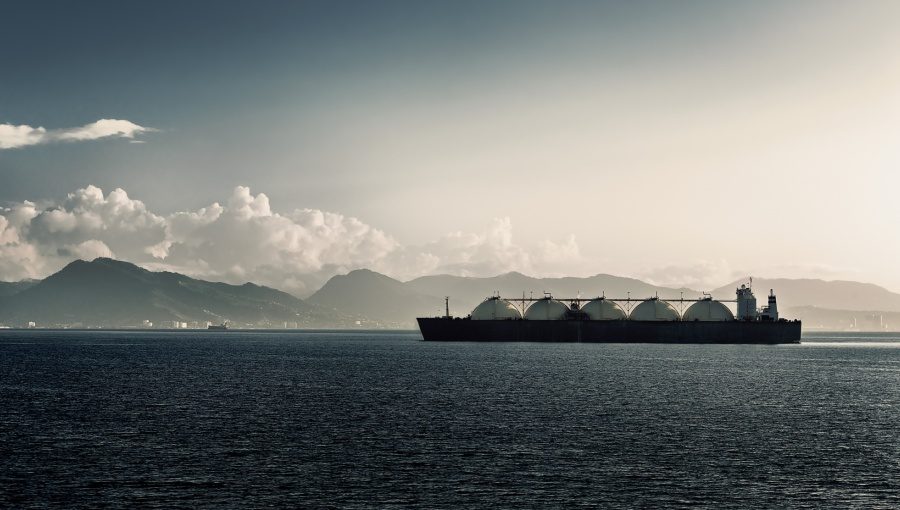
A 6.3% surge in global liquefied natural gas trade to a record 437 million tonnes in 2025 has created sufficient spot-market liquidity to shield buyers from Middle East supply disruptions.
Global LNG trade reached a record 437 million tonnes in 2025, growing 6.3% year-on-year in the largest expansion since 2022, the International Gas Union reported on July 7. The increase was driven by the commissioning of 13 new export terminals and a 30.1 million tonne per year (tpy) expansion in global liquefaction capacity. This brought total global liquefaction capacity to 524.5 million tpy by the end of the year.
North America dominated the supply growth, exporting 25.3 million tonnes. Major capacity additions came from Venture Global’s Plaquemines LNG, Cheniere’s Corpus Christi Stage 3, and Shell’s LNG Canada project, which shipped its first cargo. Africa also emerged as a new supply frontier, with the BP-led Greater Tortue Ahmeyim project marking the first LNG exports for both Senegal and Mauritania.
This surge in supply volumes is proving critical for global energy security. With the Strait of Hormuz closed and ongoing conflict in the Middle East disrupting scheduled deliveries, the industry mobilized 40% of its volumes on a spot basis. This flexibility provided vital relief for contracted buyers of QatarEnergy and ADNOC who faced sudden supply shortfalls.
Capital expenditure in the sector is accelerating, with developers approving 68.4 million tpy of new capacity in 2025, just shy of the 2019 record. Over the five-year cycle from 2021 to 2025, 206 million tpy of production capacity secured approval—almost twice the volume sanctioned between 2015 and 2020. This pace of sanctioning signals strong corporate confidence in long-term gas demand.
The current investment wave is fundamentally broadening the global supplier base. Projects in eight new countries received approval, reducing reliance on traditional exporting regions. Furthermore, 9.5 million tpy of floating LNG production capacity was greenlit in 2025. This innovation allows producers to monetize offshore gas fields more rapidly, lowering the barriers to entry for emerging market suppliers.
Looking ahead to 2026, the market faces a mixed outlook with notable volatility. However, the massive expansion in both liquefaction capacity and spot-market trading mechanisms has fundamentally altered the sector's ability to handle geopolitical shocks. The global LNG market is now structurally better equipped to absorb localized disruptions without triggering immediate price crises.