Ukraine Faces Critical Manpower Shortage as Russia Buys Replacements
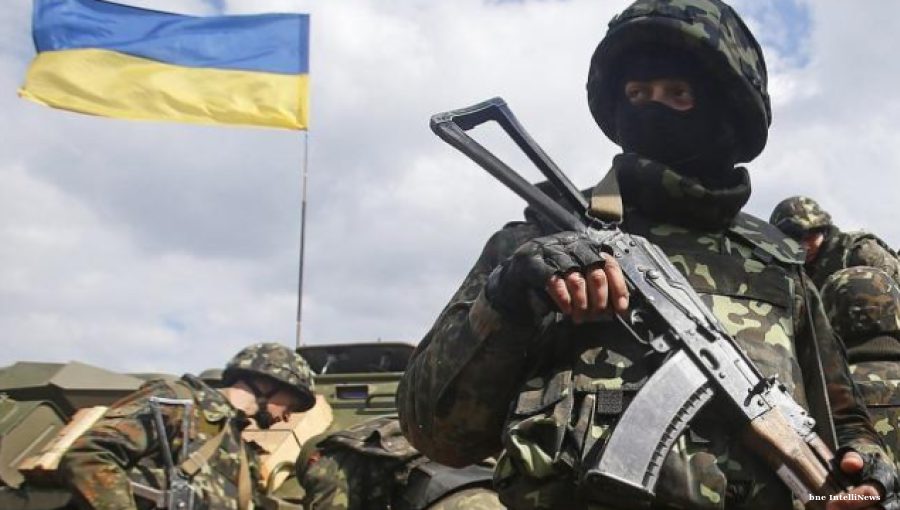
Ukraine has opened over 311,000 desertion cases as its conscription model falters, a demographic crisis that drastically outpaces Russia’s losses and threatens to prolong the economic drag of the war for both nations.
Ukrainian prosecutors have opened 311,327 criminal cases for desertion and unauthorized absence since Russia’s invasion, a manpower crisis that severely limits Kyiv's economic and military endurance. Russia, by contrast, has convicted just over 30,000 soldiers for abandoning their units.
Moscow offsets its battlefield losses—estimated at 1,000 men a day—by relying on market incentives rather than coercion. The Kremlin offers signing bonuses exceeding $40,000 in some regions, allowing it to sign 25,000 to 35,000 volunteers a month. However, sustaining a volunteer army at these premium rates adds acute inflationary pressure to the Russian economy and strains state coffers.
Russia has also effectively exhausted its penal recruitment pool, having reduced the prison population from 420,000 to below 300,000. Failing to attract enough fresh troops, military authorities are now cracking down on deserters to recapture and redeploy them to high-casualty assault units. This harsher approach highlights the growing difficulty of maintaining volunteer numbers.
Ukraine lacks the fiscal capacity to compete on price, leaving it dependent on forced conscription to replace daily losses of 100 to 300 men. With 5.7 million Ukrainians abroad and half of those remaining classified as pensioners, Kyiv’s actual pool of eligible recruits is estimated at a tenth of Russia’s. The resulting policy of forcibly detaining men in the streets is hollowing out the domestic workforce.
For investors, this accelerating drain of working-age men cripples Ukraine's ability to generate the tax revenues necessary to service sovereign debt or rebuild its economy. The systemic fractures are increasingly visible in the field. Up to 1,700 soldiers from the elite 155th Mechanised Brigade deserted before firing a shot, vanishing during NATO training in France or en route back to the front.
Last week, anti-mobilization riots in Lviv exposed another layer of the crisis when several protesters smashing recruitment vehicles were revealed to be active-duty soldiers hiding from deployment. Meanwhile, the Russian military's struggle to recruit enough volunteers is fueling a rift between Kremlin hawks and doves. Rumors are circulating that President Vladimir Putin may announce a second mobilization after September’s parliamentary election.
For European markets, these diverging manpower crises signal that the war will remain a defining economic constraint for the foreseeable future. Defense spending across the continent will stay elevated, while energy markets must continue to price in prolonged geopolitical instability.