Nvidia CEO opposes US ban on Chinese open-source AI
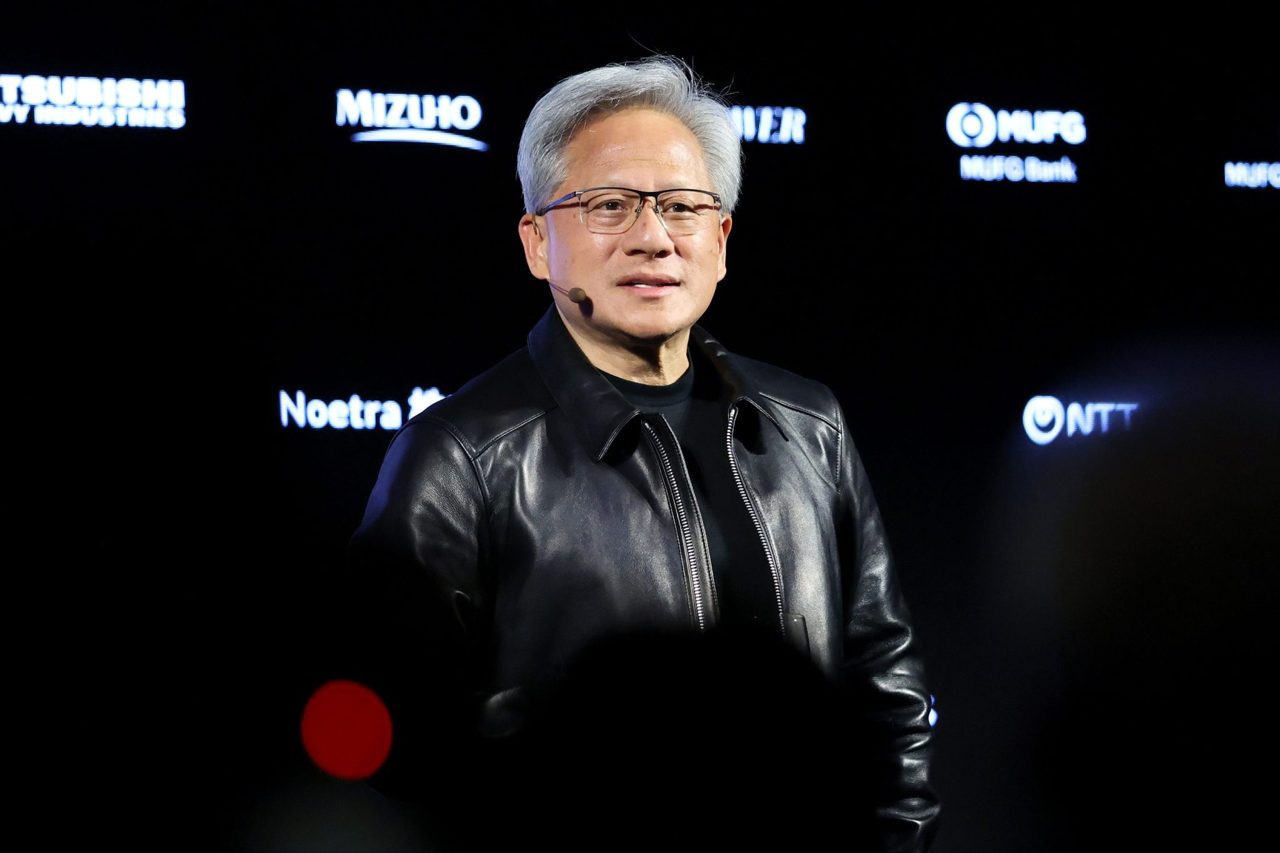
Nvidia chief Jensen Huang is pushing back against potential White House restrictions on Chinese open-source AI models, arguing that greater adoption of these low-cost alternatives ultimately benefits the broader tech infrastructure sector.
Nvidia CEO Jensen Huang is urging Washington to reject proposed restrictions on Chinese open-source artificial intelligence models. He argues these tools pose no security threat and will ultimately drive broader industry growth.
The White House has recently explored using executive power to impose strict conditions on U.S. companies looking to use Chinese AI. Proposed measures reportedly include forcing firms to guarantee security and accept liability in the event of a breach. These considerations stem from fears that open-source models could facilitate Chinese surveillance or threaten the viability of domestic AI companies.
The regulatory debate intensified following the July 16 release of Moonshot AI’s Kimi K3. The open-source model alarmed Washington by matching the coding capabilities of Anthropic’s top-tier Fable 5 model. However, the primary driver for U.S. adoption remains economic, as startups like Cursor integrate Chinese alternatives to bypass the high costs associated with American closed models.
Pricing data highlights the stark cost disparity driving this shift. Kimi K3 costs $15 per 1 million output tokens, exactly one-third of the $50 charged by Anthropic’s Fable 5. Another Chinese model, DeepSeek V4, offers the same output volume for just 87 cents.
For corporate buyers, open-source models require higher upfront investment in computing infrastructure and maintenance. However, they grant companies complete control over sensitive data by running on internal systems, whereas closed models become prohibitively expensive at high usage volumes.
Huang dismissed the notion that downloadable Chinese models could act as surveillance backdoors for Beijing as a “misconception.” He emphasized that because the underlying code is accessible, companies can implement their own customizable security guardrails. “These Chinese models are excellent,” Huang said. “Open-source models that are excellent should be used.”
From a market perspective, Huang framed the adoption of low-cost open-source AI as a net positive for the hardware sector. He argued the industry needs both open and closed ecosystems, and that cheaper models will accelerate enterprise adoption.