US-Saudi nuclear deal opens multibillion-dollar market to US firms
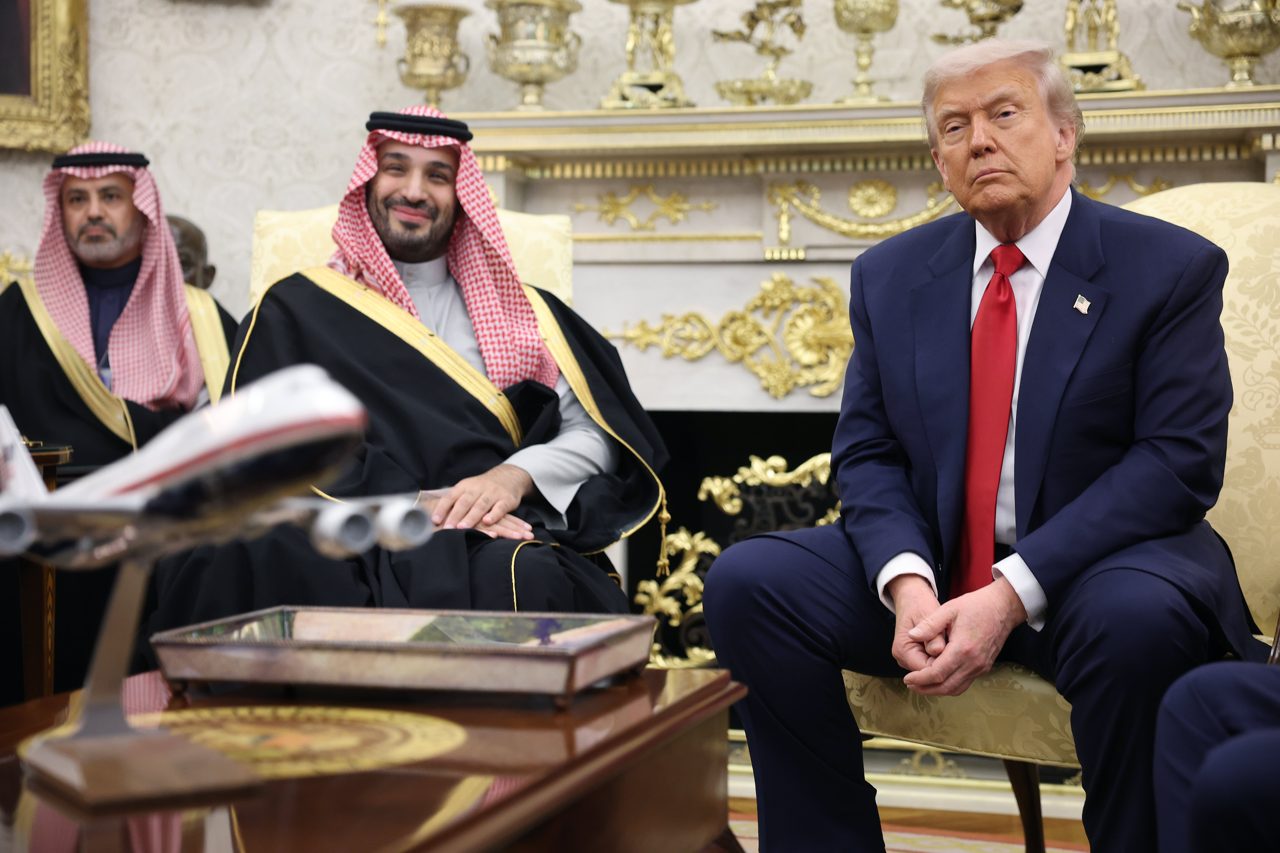
A newly signed civilian nuclear pact between Washington and Riyadh grants U.S. exporters access to a lucrative Saudi market, though the deal faces Congressional scrutiny amid regional military conflict.
The United States and Saudi Arabia signed a bilateral agreement on Wednesday to develop a civilian nuclear program in the kingdom. Energy Secretary Chris Wright and Saudi Energy Minister Prince Abdulaziz bin Salman formalized the pact, which establishes the legal groundwork for a decades-long, multibillion-dollar partnership. The Department of Energy stated the framework will grant American companies direct access to Saudi Arabia's nuclear sector.
The agreement immediately clears a path for major U.S. industrial players to bid on and supply sensitive nuclear equipment. Westinghouse, Bechtel, BWXT, and Centrus are positioned to capitalize on the opening. Westinghouse CEO Dan Sumner described the deal as a "landmark step" that will strengthen energy security and expand opportunities for U.S. industry.
Westinghouse, which develops the AP1000 large reactor viewed as core technology for global nuclear expansion, is jointly owned by Canadian uranium miner Cameco and Brookfield. The pact represents a critical turning point for these exporters. "Without this kind of a nuclear trade agreement, U.S. nuclear companies would remain shut out of the market," said Jonathan Hinze, president of nuclear fuel market research firm UxC.
Hinze noted that lacking a formalized agreement would have pushed Riyadh toward alternative suppliers in France, Russia, or China. Securing the Saudi market is therefore a defensive victory for American nuclear technology exporters as much as an offensive one, protecting market share in a growing sector.
For Saudi Arabia, the largest oil producer in OPEC, the pivot to nuclear addresses long-term domestic energy consumption trends. The kingdom currently generates virtually all its power from fossil fuels, with roughly 60% from natural gas and 40% from oil, according to the International Energy Agency. Diversifying its domestic power grid would allow Riyadh to maximize its crude oil exports instead of burning it locally.
The deal's financial trajectory, however, depends on Washington. The agreement must now clear a Congressional review mandated by the Atomic Energy Act. Lawmakers will evaluate the terms as the U.S. simultaneously conducts military strikes against Iran to curb Tehran's nuclear ambitions.
Democratic lawmakers have already signaled resistance to the framework. Senator Chris Murphy warned that the agreement will "set off a nuclear race in the region, further disincentivizing Iran from limiting its own program." This political friction introduces regulatory risk for the U.S. contractors awaiting final approval to begin sales.