NYC targets AI-altered rental listings with disclosure mandate
New York City's proposal to force disclosure of AI-altered rental photos could set new compliance standards for proptech platforms in America's largest rental market.
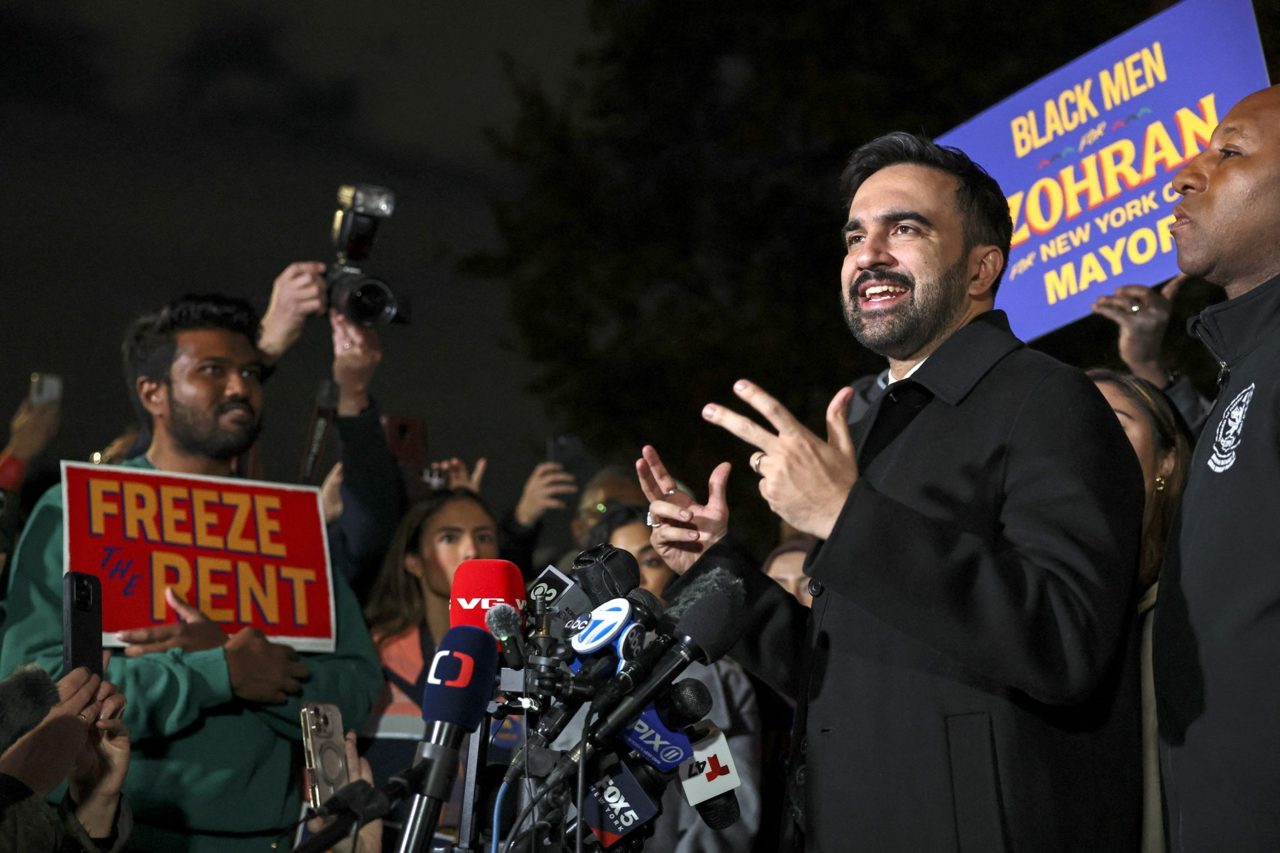
New York City Mayor Zohran Mamdani on July 16 proposed a rule requiring landlords, brokers, and online platforms to disclose when rental listing photos or videos are generated or altered using artificial intelligence. The mandate is a central piece of the city’s Rental Ripoff Report, a 23-initiative tenant protection package assembled after officials gathered testimony from more than 2,400 renters. “You shouldn’t have to worry whether or not the apartment you’re viewing online is real,” Mamdani said. “After all, it’s called StreetEasy, not StreetHard.”
For major property portals like Zillow and StreetEasy, which were explicitly named in the proposal, the rule introduces new compliance and technical requirements. Zillow indicated it welcomes the regulatory clarity. “We support clear disclosure when AI is used to materially alter a listing image, and believe consumers should be able to view the original content alongside the altered version wherever possible,” a company spokesperson said. The platform noted that while “digitally altered listing photos are not new,” AI has made them “faster to produce, sometimes harder to spot and more widespread.”
The proliferation of AI-generated listing images, a practice dubbed "housefishing," creates distinct financial risks for renters committing to long-term leases. An analysis by Coraly of roughly 40,000 listing photos across Zillow, Redfin, Realtor.com, and Homes.com found nearly 11% showed signs of AI alteration. Viral examples have exposed apartments advertised with non-existent lofts, refinished floors, and missing appliances, leaving out-of-town tenants legally bound to properties that materially differ from their online presentations.
New York City’s move aligns with a widening regulatory effort to police AI in high-value financial transactions. California recently enacted a law requiring disclosure of materially altered real estate images, and New Jersey lawmakers are weighing similar legislation. New York’s own Department of State has also issued trend alerts warning buyers to watch for distorted details and mismatched window views in manipulated listings.
Consumer advocates argue explicit disclosure rules are necessary because existing consumer protection laws are difficult to enforce against subtly altered images. Justin Brookman, director of Technology Policy at Consumer Reports, noted that AI has made it “increasingly possible to do photorealistic images in ways that really materially misrepresent what you’re getting.” He pointed out that renters relocating sight-unseen face outsized risks. “They might sign a year-long lease, and they show up and they’re on the hook for staying in a place that was not what they signed up for,” Brookman said. He added that requiring links to original photos provides “basic guardrails” as the technology matures. “In the spirit of transparency, people should know what they’re getting into,” Brookman said. “At the very least, having an indicator that this was virtually staged, or these are some things that were added, I think is the baseline.”