Fort Knox gold intact, but dollar faces ally-led de-dollarization
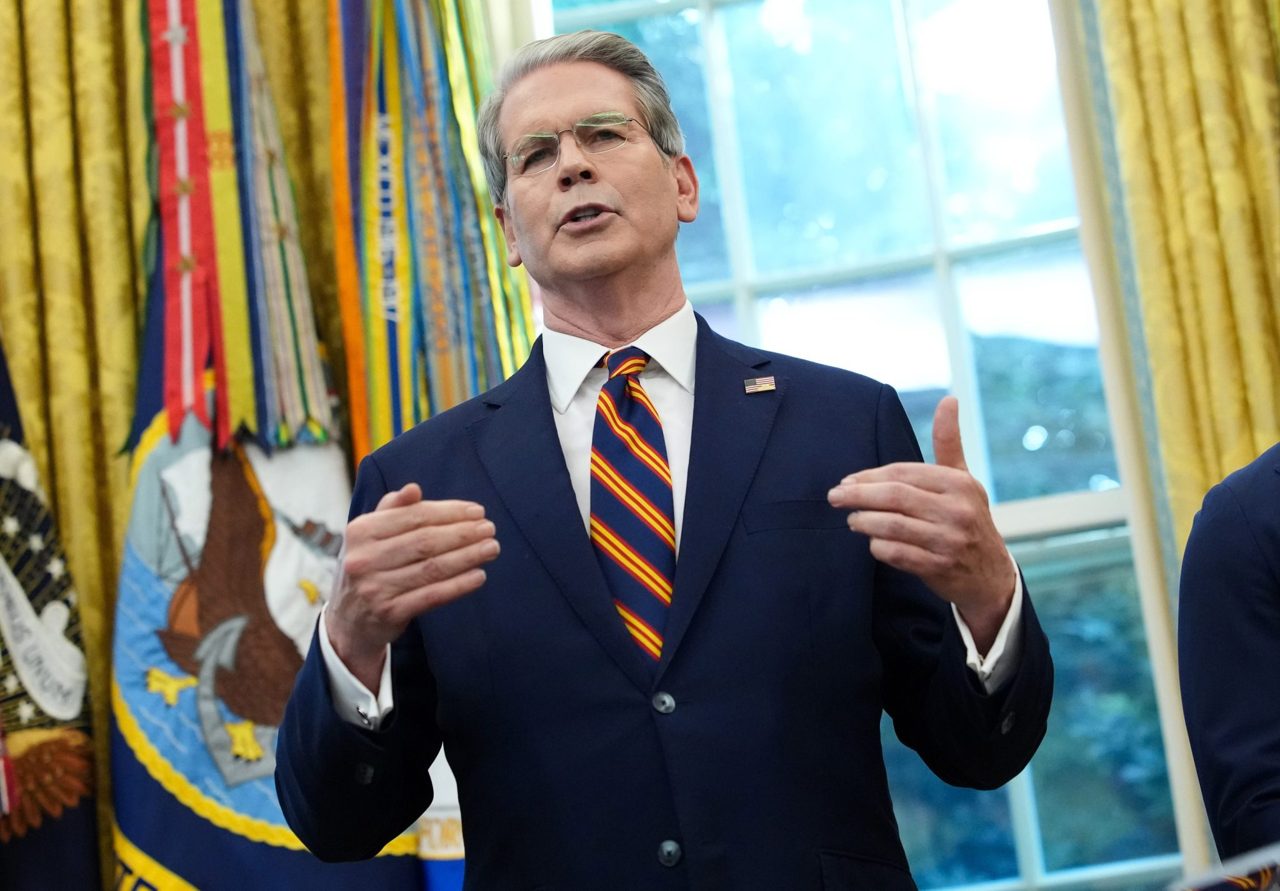
Treasury Secretary Scott Bessent confirmed U.S. gold reserves are secure but stressed their irrelevance to the dollar, a timely reminder that the real threat to U.S. currency dominance comes from ally-led de-dollarization rather than missing bullion.
Treasury Secretary Scott Bessent confirmed on Fox News that all gold at Fort Knox is "present and accounted for," valuing the U.S. stockpile at over $1 trillion at current market prices. However, the Treasury Secretary explicitly stated that these reserves are "completely inconsequential to the value of the dollar today." The comments effectively dismissed conspiracy theories promoted earlier this year by President Donald Trump and Elon Musk's Department of Government Efficiency regarding missing gold.
Bessent's dismissal rests on the structural reality of modern U.S. monetary policy. Since Richard Nixon ended the gold standard in 1971, the dollar has operated as a fiat currency, severing the link between bullion stored at the Kentucky depository and the greenback's purchasing power. The U.S. Mint currently values the 147.3 million ounces held at Fort Knox at approximately $608 billion.
For financial markets, the Fort Knox discourse is a distraction from a measurable, structural shift in global finance. The dollar’s share of global foreign exchange reserves has dropped to a 25-year low of 57%, down from 71% in 1999. This erosion is not being driven by adversaries, but by traditional U.S. allies quietly reducing their exposure to the dollar-based financial system.
Recent actions by European and North American partners illustrate this trend. Between July 2025 and January of this year, France withdrew all 129 tons of its gold held at the Federal Reserve Bank of New York, ultimately selling its previous cache for $15 billion to update its reserves in Paris. Separately, Canada established a $25 billion sovereign wealth fund designed to decrease its economic reliance on the United States.
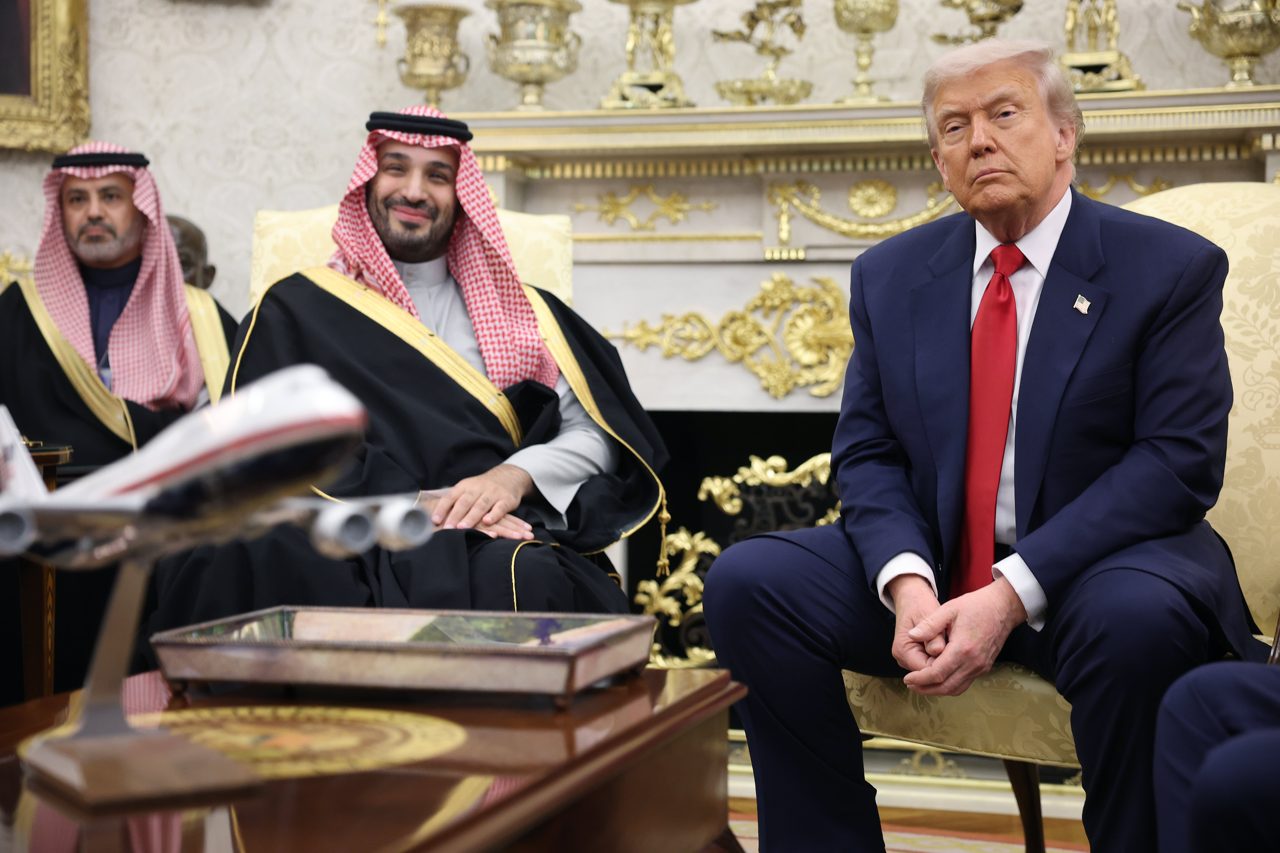
The diversification extends to global commodity markets. Following the closure of the Strait of Hormuz in late February, some vessels were permitted passage after paying transit fees in Chinese yuan. This marks a notable breach in the petrodollar system, established in 1974 when the U.S. traded military aid to Saudi Arabia for pricing oil exclusively in dollars.
Sana Ur Rehman, a market analyst at EBC Financial Group, noted in a May client report that these maneuvers mark a historically distinct phase of de-dollarization. "These are not the actions of enemies," Ur Rehman wrote. "They are the actions of allies and partners who have watched the United States weaponize the dollar-based financial system, and have quietly concluded they need to reduce their exposure to it." Ur Rehman added: "That shift, driven by allies rather than adversaries, is what makes the current moment different from anything in the past 80 years of dollar dominance."