Loopholed crypto ethics ban threatens US Clarity Act passage
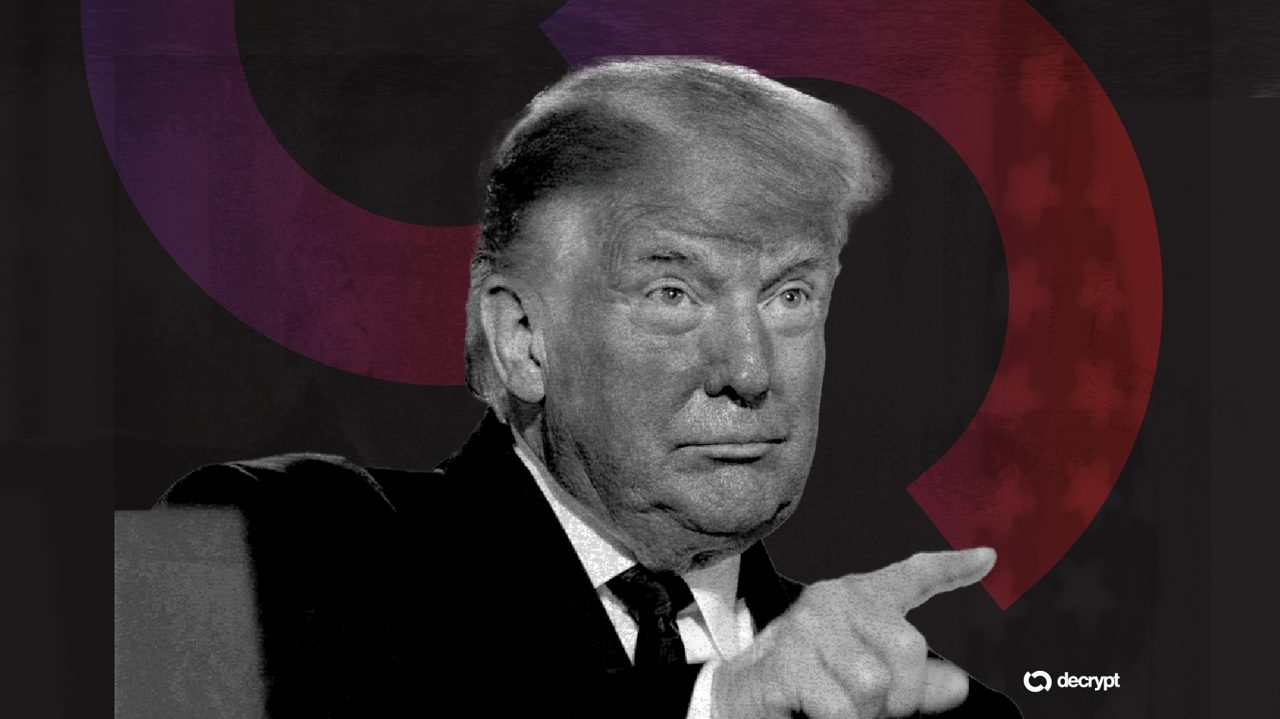
A new Senate draft of the Clarity Act includes a temporary ethics ban that exempts the president's children, a compromise likely too weak to secure the Democratic votes needed to formally legalize crypto markets.
The latest draft of the US Clarity Act, circulating in the Senate, includes a heavily conditioned ethics provision that places temporary restrictions on presidential crypto ventures while explicitly exempting the president's children. Majority Leader John Thune intends to bring the 616-page market-structure bill to the floor in the coming days.
Under the new text, the president, public officials, and their spouses are barred from issuing or sponsoring digital assets while in office, though passive investment remains permitted. However, the ban automatically expires at noon on January 20, 2029, and enforcement is delegated entirely to the Justice Department. Crucially for the crypto industry, the restrictions do not extend to the children of public officials.
The narrow scope of these restrictions appears tailored to the ongoing political fight over World Liberty Financial and presidential meme coins. Financial disclosures released last month revealed that President Donald Trump earned more than $1.2 billion from crypto businesses last year. Senator Elizabeth Warren had demanded a broader prohibition covering the vice president, members of Congress, and their families.
Passing the legislation requires 60 votes, meaning at least 10 Democrats must cross the aisle. The temporary nature of the ban, its reliance on DOJ enforcement, and the exclusion of Donald Trump Jr. and Eric Trump make it unlikely to satisfy Democratic critics. If the bill fails, the US crypto market will miss its primary opportunity for formal legal certainty before the August recess.
Beyond the ethics debate, the bill retains provisions critical to market structure. It preserves the Blockchain Regulatory Certainty Act, establishing a safe harbor that clarifies non-custodial software developers are not money transmitters.
This developer protection is considered a red line by the crypto sector to prevent the kinds of DOJ prosecutions seen during the previous administration. However, it faces strong opposition from law enforcement groups and 82 Catholic leaders, who warn it could dismantle safeguards against money laundering, human trafficking, and child exploitation.
The draft also leaves intact previous language limiting stablecoin yield, preventing issuers and platforms like Coinbase from offering rewards solely on stablecoin balances. Despite the unresolved friction over ethics, stablecoin yields, and developer liability, industry advocates are pushing for rapid enactment. "Today's draft is a meaningful step toward the Senate vote on the Clarity Act we've been calling for," Digital Chamber CEO Cody Carbone said. "We look forward to reviewing the latest, and we will provide our members' feedback on how the bill may still be improved as it moves forward."
The first week of August is widely viewed as the last realistic window for the legislation to advance before the Senate's August recess and the shift toward the November midterms.