Crypto vaults face US securities laws, Peirce warns
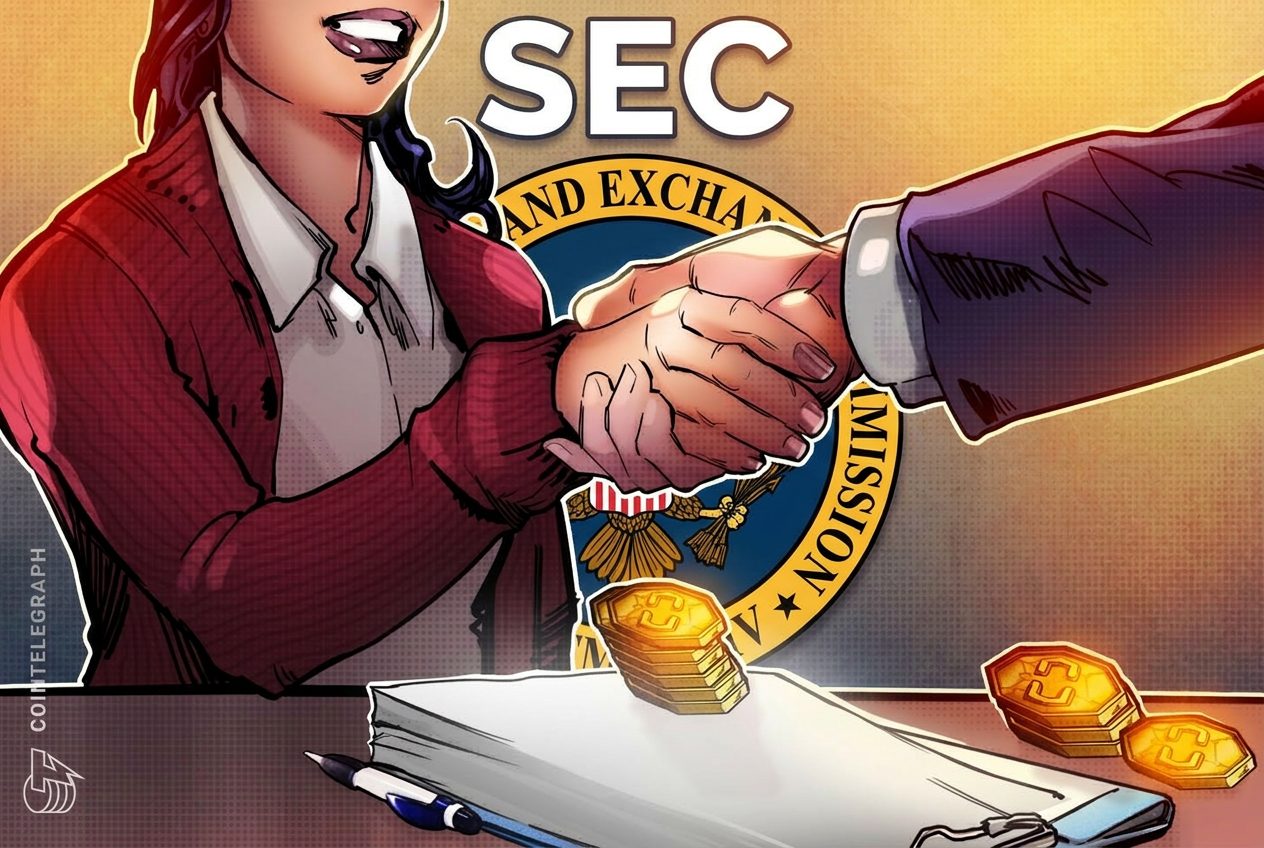
Crypto vault operators may face SEC registration and disclosure requirements after Commissioner Hester Peirce warned that actively managed onchain yield products likely fall under existing securities laws.
US Securities and Exchange Commission Commissioner Hester Peirce warned that crypto vaults and onchain lending products could trigger federal securities laws depending on their structure. In a statement published Wednesday, Peirce said tools that actively manage user assets might require regulatory compliance. She added that some onchain loans could also qualify as securities based on how they are structured, distributed and used.
The regulatory scrutiny hinges on active management. Peirce specified that vaults executing discretionary decisions—such as allocating assets, selecting yield-generating activities, setting lending terms and determining liquidation thresholds—fall within the SEC’s purview. Under this framework, vaults could be treated as securities offerings or investment companies, while managers might trigger investment adviser requirements.
“Moving activities that fall within the scope of the federal securities laws onchain, as a general matter, does not take those activities outside the scope of the laws the Commission administers,” Peirce said. She urged developers to consult the agency and invited feedback on how existing rules might better accommodate onchain finance.
The warning arrives as crypto vaults experience rapid growth, with firms packaging decentralized finance strategies for retail and institutional investors. These products pool user assets to generate yield through lending markets, staking or liquidity pools.
Recent high-profile launches illustrate the trend. In April, Sentora launched a platform for users to compare DeFi vaults, while Wallet in Telegram introduced self-custodial vaults for Bitcoin, Ether and USDT. In May, Kraken debuted a Bitcoin vault offering up to 2.5% variable APY by deploying wrapped Bitcoin across protocols like Aave and Morpho.
For market participants, the regulatory calculus has fundamentally shifted. Beyond existing technical risks—demonstrated by a roughly $9 million December exploit of Yearn’s legacy yETH vault, though V2 and V3 vaults were unaffected—operators must now account for federal compliance. Should these products be designated as securities, vault operators will face a choice between full SEC registration or pursuing exemptions, either of which demands rigorous disclosure.