MLS Targets World Cup Windfall as US Proves Golden Market
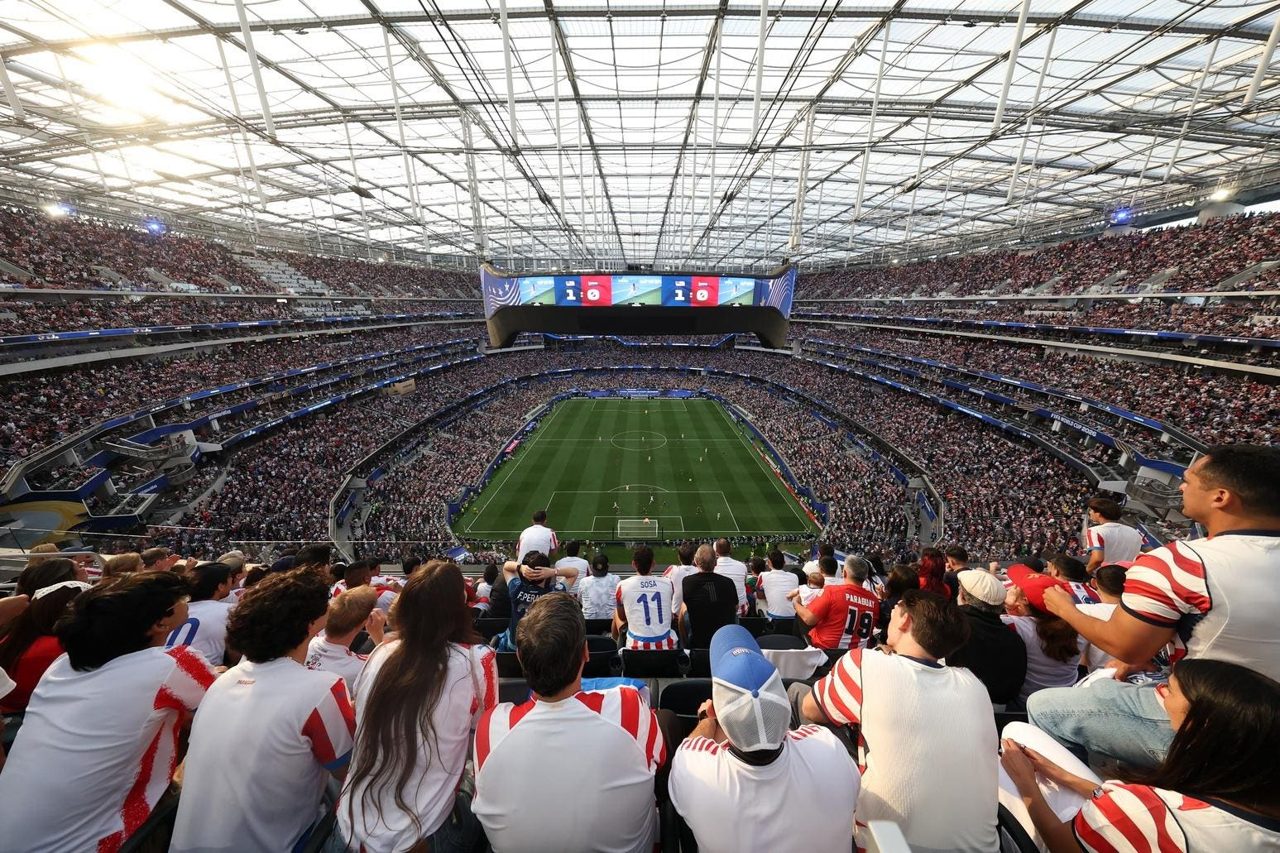
Major League Soccer is rolling out its largest marketing push to convert record World Cup attendance and FIFA revenues into long-term commercial growth.
The 2026 FIFA World Cup generated massive, unprecedented revenues and attendances for the governing body, according to MLS Commissioner Don Garber, who declared the United States "the golden market for soccer globally." Major League Soccer is now moving aggressively to monetize that exposure.
The league has launched "Thanks World, We’ll Take It From Here," its largest-ever marketing campaign, featuring Lionel Messi and David Beckham. The initiative aims to capture fans who engaged with the 104-game tournament. Despite exorbitant ticket prices dominating the buildup, the World Cup experienced sellout crowds across its 16 venues. Broadcasters also saw significant returns, with Fox and Spanish-language Telemundo drawing NFL-style television ratings throughout the five-week event.
“At a defining moment for soccer in North America, MLS is turning global excitement into lasting engagement and connection,” said Camilo Durana, Executive Vice President and Chief Business Officer at MLS. The tournament provided a level of centralized, mainstream visibility that no domestic league or international friendly could previously replicate.
The commercial ripple effects stand to benefit the wider American soccer ecosystem. The National Women's Soccer League is positioned to absorb spillover interest, while lower-division leagues may see greater community support. A stronger soccer culture at every tier creates a healthier, more valuable business ecosystem capable of sustaining long-term corporate investment.
Public and private capital also flowed into hard infrastructure. Host cities invested heavily in transportation networks, stadium upgrades and fan zones to accommodate international visitors. While much of this capital expenditure was designed for the tournament, these structural improvements will continue serving municipalities and local franchises long after the final match.
However, translating a five-week cultural phenomenon into durable financial growth remains the central challenge for investors and executives. The excitement will inevitably fade, and maintaining consumer enthusiasm requires sustained capital deployment. Affordable youth programs and strong coaching infrastructure remain essential if the sport is to capitalize on the surge in interest and build a reliable pipeline of future talent.
Player acquisitions already reflect this market optimism. Former France star Antoine Griezmann recently joined Orlando City SC, pointing to the tournament's downstream commercial potential. “The World Cup helps so all kinds of American kids can enjoy soccer and want to start kicking a ball,” Griezmann said. “Hopefully, we can put on a show in the stadiums to make kids want to play soccer.”


