NASA Lacks Rescue Plan for $100B Artemis Mission
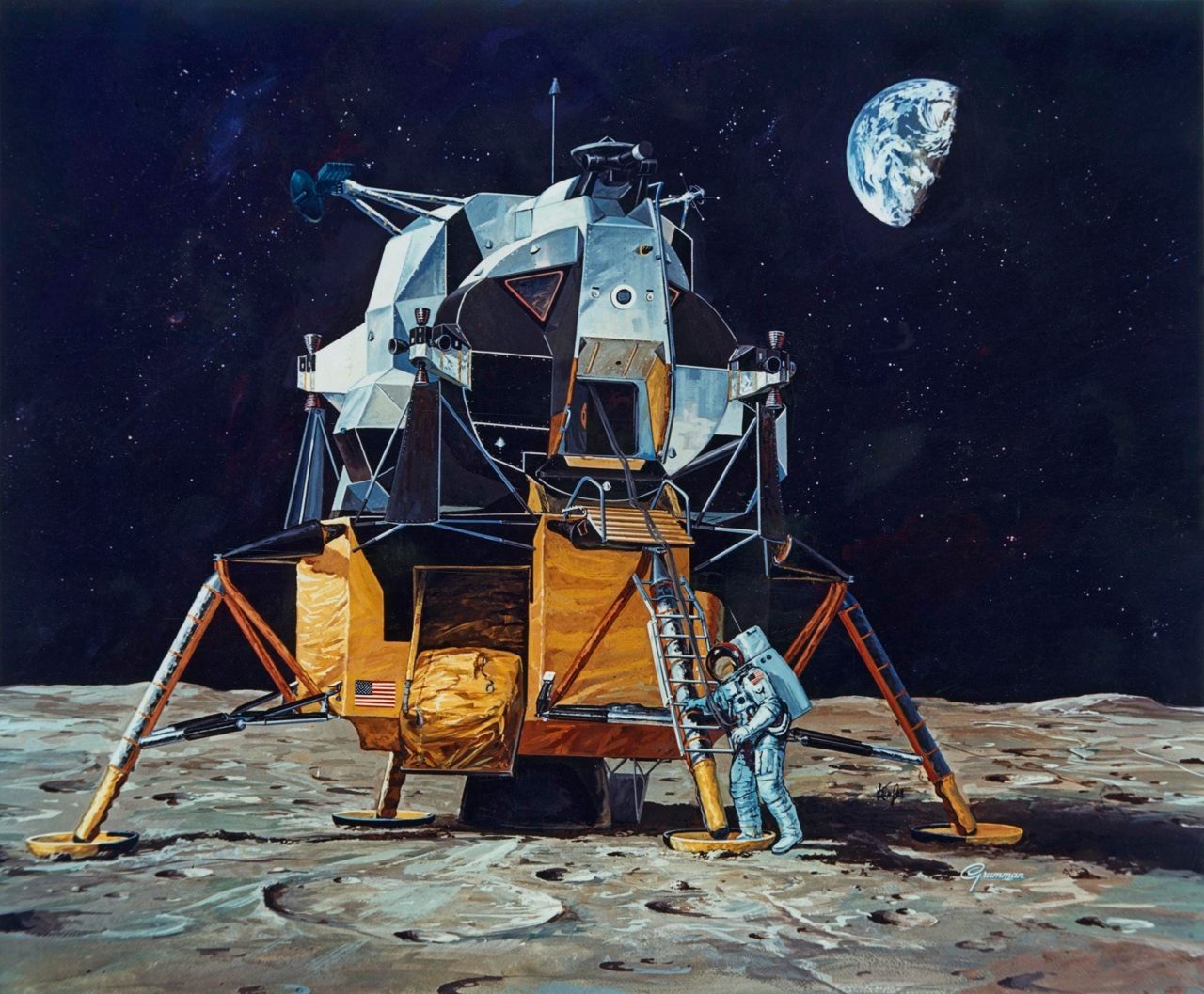
NASA's internal watchdog warns the agency has no way to rescue astronauts on the upcoming $100 billion Artemis lunar landing, posing severe reputational and financial risks to the program and its prime contractors.
NASA’s internal watchdog has warned that the agency currently lacks the capability to rescue astronauts during the upcoming Artemis lunar landings, a critical safety gap that threatens a program exceeding $100 billion in total investment.
The NASA Office of Inspector General highlighted the flaw in the architecture for the 2028 mission to the Moon’s South Pole. “Ultimately, should the astronauts encounter a life-threatening emergency in space or on the lunar surface, NASA does not have the capability to rescue the stranded crew,” the inspectors stated.
The physical risks to the mission are substantial, as the South Pole features deep craters and slopes up to 20 degrees. SpaceX is building a 171-foot Starship lander under a $4 billion-plus contract, while Blue Origin is developing a 53-foot Blue Moon vehicle under a $3.1 billion award. Inspectors warned that Starship’s height creates a tipping risk upon touchdown, while Blue Moon faces tilt tolerance limits.
Despite awarding these massive contracts, NASA has not required either company to build a backup lander or preposition emergency supplies on the surface. The current operating plan relies on whichever contractor completes its initial uncrewed demo first, without mandating a parallel rescue capability from the other.
Closing this safety gap would require a relatively marginal increase in spending against the program’s baseline. “NASA is projected to spend $93 billion on the Artemis effort from FY 2012 through FY 2025,” former Inspector General Paul Martin told Congress in 2023. Adding $3 billion to $5 billion to preposition one or two lifeboat landers would protect that massive capital outlay.
“A prepositioned backup lander could provide one of the strongest forms of lunar rescue capability because it could potentially serve as both an emergency shelter and an independent ascent vehicle,” said Brian Hurley, founder of the New Space Economy think tank. Deploying such assets would represent a fraction of the overall program cost.
Hurley noted NASA could also amend its existing contracts to require SpaceX and Blue Origin to equip their uncrewed demonstration landers with full life support systems, rather than flying skeleton versions. “For a demonstration Starship to become a recurring haven, NASA would have to redesign the demonstration mission around that objective, intentionally leave the vehicle in place, equip it with the necessary crew systems and consumables, maintain it remotely and arrange for later missions to land within a reachable distance,” Hurley said.
The reluctance to build a rescue architecture stems from a geopolitical race against China’s planned lunar mission before 2030, compounded by a recent White House executive order demanding a 2028 landing. “Without a rescue capability for the Artemis missions, the crew will be lost should the HLS [human landing system] become disabled on the lunar surface,” the inspectors concluded, a scenario that would inflict catastrophic reputational damage on the agency and its industrial partners.