CLOZ ETF Returns 11% Annually via Floating-Rate CLOs
The Eldridge BBB-B CLO ETF has generated 11% annualized returns since 2023 by holding mezzanine collateralized loan obligations that benefit directly from elevated short-term interest rates.
The Eldridge BBB-B CLO ETF (CLOZ) has generated an 11% annualized return since 2023 by anchoring its portfolio to floating-rate mezzanine debt. The fund currently offers a 7% yield, directly capitalizing on the Federal Reserve's decision to keep short-term borrowing costs elevated.
Rather than holding top-rated AAA tranches, CLOZ purchases US dollar-denominated collateralized loan obligation slices rated between BBB+ and B-. This targets the exact middle of the CLO credit ladder, a segment institutional credit investors have historically favored for its balance of yield and structural protection.
A collateralized loan obligation is a diversified pool of senior secured business loans divided by risk. The AAA tier absorbs losses last and pays the lowest yield, while the equity tier takes the first losses but offers the highest potential upside. By sitting in the mezzanine layer, CLOZ captures a meaningful yield pickup over AAA debt while retaining a buffer above the volatile equity tranche.
The fund's return profile depends on two distinct factors. First, the underlying coupons reset alongside short-term benchmarks like the three-month Treasury, which currently sits near 3.84%. Second, the fund collects a credit spread that naturally widens during periods of market panic and tightens when investor confidence returns.
This structure makes CLOZ fundamentally different from AAA-focused alternatives such as JAAA. While both are tied to corporate credit, CLOZ pays a significantly higher yield because it accepts more risk. In the event of a broad credit shock, CLOZ will trade in correlation with equities rather than serving as a defensive bond proxy.
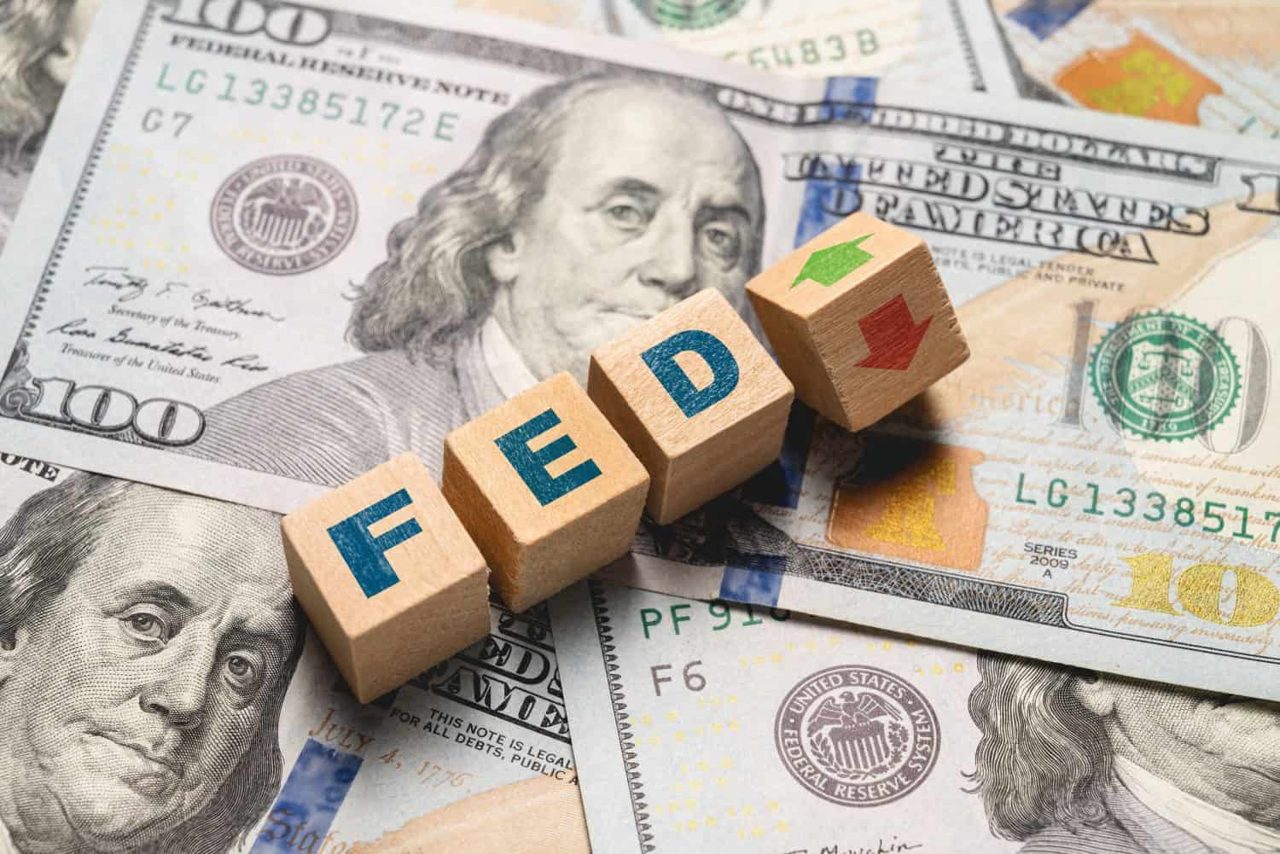
However, the same floating-rate mechanism that drove the fund's outsized gains now presents a clear risk to future income. With the Fed's policy rate parked at 3.75% since December 11, 2025, market expectations for monetary easing have already taken a toll. CLOZ's monthly distributions have dropped from $0.22 to $0.17 per share, and every subsequent rate cut will further reduce the coupon payouts investors receive.