SpaceX IPO trades flat as historical data flags long-term underperformance
SpaceX is trading around its record $85 billion IPO price, but decades of market data suggest the structural advantages of the listing process favor sellers over long-term investors.
Space Exploration Technologies (NASDAQ: SPCX) raised over $85 billion last month in the largest initial public offering in history. The capital raise, which expanded after underwriters exercised their option to purchase additional shares, briefly minted chief executive Elon Musk as the world’s first trillionaire. Despite the sheer scale of this institutional demand, the aerospace company's stock currently trades right around its initial offer price.
This flat trading action arrives as a stark reminder of the structural mechanics underlying public debuts. An IPO is fundamentally a seller's market. The issuing company and its banking syndicate control the timing, the narrative, and the allocation of shares. Underwriters are heavily incentivized to drum up enthusiasm and intentionally underprice the deal to manufacture a strong first-day pop, rewarding early insiders but establishing a high baseline for subsequent buyers.
Decades of market history suggest that chasing these listings is a losing strategy for long-term portfolios. Since 1980, the average IPO has slightly underperformed the broader market average over the three years following its debut. This lag persists even when measuring from the official offer price, meaning the built-in first-day discount is rarely enough to insulate investors from the subsequent reality of public market scrutiny.
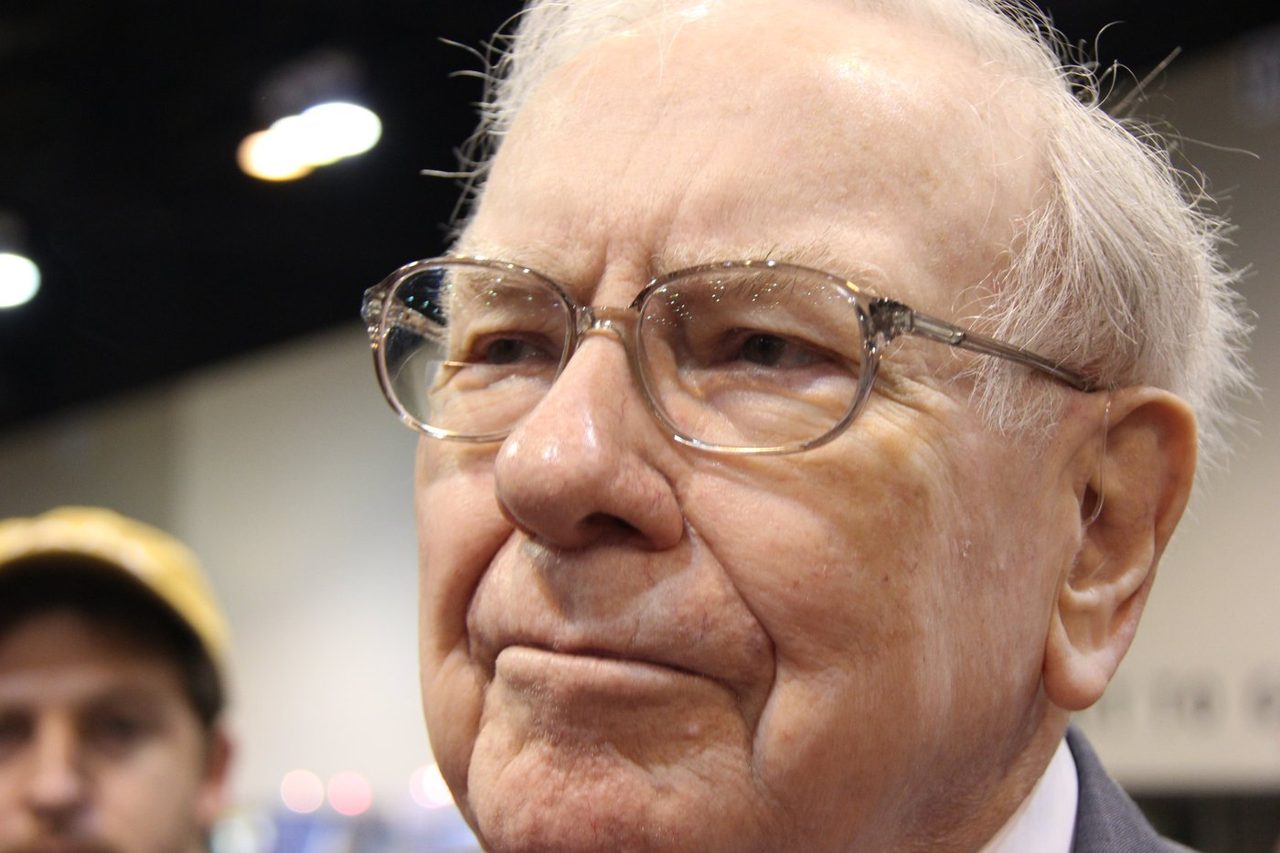
Veteran investors have long warned against the psychological traps of new issues. Warren Buffett has famously avoided buying IPOs throughout his career. "The idea of saying the best place in the world I could put my money is something where all the selling incentives are there, commissions are higher, the animal spirits are rising, that that's going to be better than 1,000 other things I could buy where there is no similar selling enthusiasm ... just doesn't make any sense," Buffett said.
Applying this framework to SpaceX reveals significant execution risk. The company’s IPO registration statement claims a total addressable market of $28.5 trillion. Capturing even a fraction of that figure requires successfully executing on business lines that no other company has managed to penetrate, much like its previous disruption of the rocket industry with reusable hardware.
Achieving the massive potential currently priced into the stock is entirely dependent on a complex web of future variables. A lot has to go precisely right for the business to meet the market's lofty expectations. For investors accustomed to the dynamics of secondary markets, where information is symmetric and selling incentives are balanced, the current SpaceX offering presents an unusually high-risk proposition.