Bangladesh Eyes SMRs After Costly $12.65bn Nuclear Bet
Bangladesh will connect its first nuclear reactor to the grid next month, but a plummeting currency has made the $12.65 billion Russian-built project so expensive that officials plan to pivot to smaller reactors.
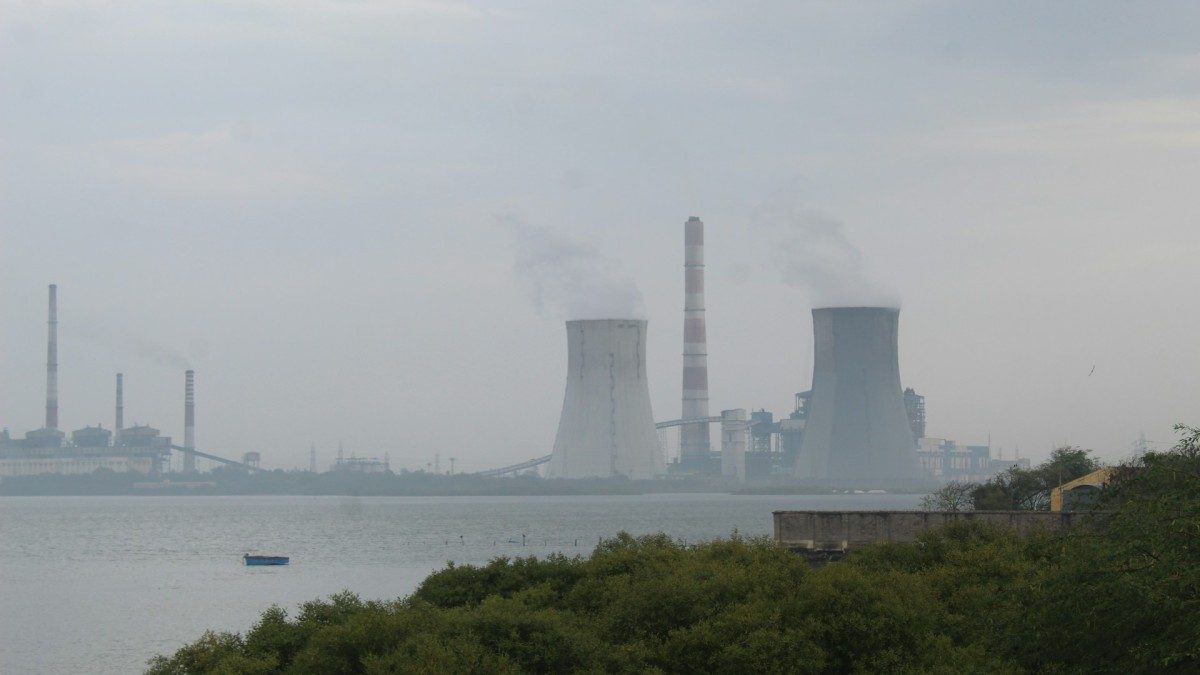
Bangladesh is preparing to connect the first reactor at its Russian-built Rooppur nuclear plant to the grid next month. When fully operational in 2028, the facility will supply 15 percent of the country's electricity.
Under the main contract with Russian state-owned company Rosatom, the plant carries a $12.65 billion price tag that includes the first few years of fuel. Because the project was greenlit a decade ago, the sharp devaluation of the Bangladeshi taka has drastically inflated the local currency cost. This introduces a harsh lesson in long-term infrastructure financing for emerging markets, where currency depreciation can undermine project economics.
The financial strain of Rooppur is already reshaping the nation's energy strategy. Bangladesh's energy minister indicated the country will not pursue another large-scale nuclear project. Instead, the government plans to focus on small modular reactors that offer shorter timelines and lower capital requirements.
Bangladesh serves as a critical test case for nuclear expansion in developing economies. Global energy demand is surging, driven by artificial intelligence data centers in wealthy nations and fossil fuel price shocks in poorer ones. “With energy security now ranking alongside climate commitments as a top policy priority, nuclear power appears positioned to play a central role in the global electricity landscape through mid-century,” the Foreign Policy Journal reported.
Historically, just five wealthy nations accounted for over 70 percent of global nuclear output, but 80 reactors are currently under construction globally, mostly in emerging markets. Russia and China are aggressively financing these exports to secure influence, particularly in Africa. However, Bangladesh's experience demonstrates that vendor financing does not eliminate economic risk for the host nation.
“For these countries, nuclear helps to decarbonize their grids while avoiding an over-reliance on intermittent power sources such as solar and wind,” Bloomberg noted. “Whether Bangladesh can move past these setbacks and begin reaping the rewards of cheap, clean electricity will be of great interest to the next wave of potential nuclear adopters.”
SMRs represent a burgeoning market segment that could circumvent the budget constraints plaguing traditional nuclear builds. By lowering the capital barrier to entry, SMRs could unlock nuclear adoption in smaller or less creditworthy nations that cannot absorb multi-billion-dollar currency shocks.
For energy investors and equipment manufacturers, Bangladesh's pivot highlights a potential structural shift in the nuclear supply chain. If other developing nations reach the same conclusion, the future of emerging market nuclear power may belong to smaller, more agile reactor designs rather than massive state-backed megaprojects.