Colombia's president-elect targets fossil fuel policy reversal
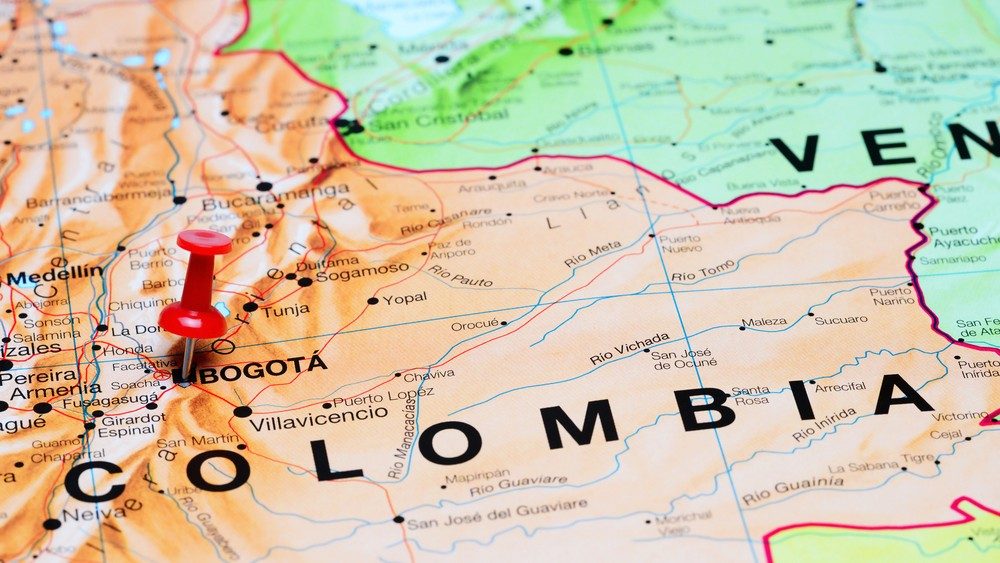
Conservative candidate Abelardo de la Espriella's narrow election win signals a sharp policy reversal for Colombia's energy sector, threatening to unwind the outgoing government's green transition in a bid to close a widening fiscal deficit.
Conservative candidate Abelardo de la Espriella won Colombia’s presidential election on June 21st by a single percentage point, defeating Iván Cepeda. Scheduled to be sworn in on August 7th, the Trump-endorsed leader is expected to swiftly dismantle the outgoing government’s climate agenda and redirect the country’s energy sector back toward fossil fuel extraction.
The policy reversal is driven by immediate fiscal pressures. Colombia’s deficit reached 6.4 per cent in 2025, the highest since the pandemic, creating strong political incentives to maximise revenues from oil, gas, and coal. These extractive industries currently contribute around 5 per cent of the country's GDP.
Market attention will now centre on Ecopetrol, Colombia’s largest oil company. Under the new administration, the state-controlled firm is expected to abandon its recent diversification efforts and pivot firmly back toward hydrocarbons. De la Espriella has pledged to exploit fossil fuels to the fullest extent and intends to accelerate permitting for new energy projects.
This marks a sharp departure from the trajectory set by outgoing President Gustavo Petro. During his term, Colombia’s export profile diversified notably. By 2025, non-mining and non-energy exports accounted for 52.6 per cent of the total, overtaking extractive industries for the first time in at least a decade. The country also added 3,400 MW of renewable capacity between 2022 and 2026.
Regulatory risk profiles for mining and energy projects are set to drop. Former environment minister Susana Muhamad expects the new government to repeat the “mining locomotive” strategy of previous administrations. “They’ll grant permits for extraction and loosen environmental regulations,” Muhamad said, noting the campaign even floated scrapping the ANLA, the body that oversees high-impact projects.
Legislative hurdles remain
Despite promises of rapid executive decrees, De la Espriella cannot unilaterally overhaul the energy framework. The left still holds 68 seats in Congress. Legislation concerning fracking and environmental licensing must pass through the legislature, creating a substantial hurdle for the most aggressive rollbacks.
Even if permitting is fast-tracked, the underlying economics of an extraction-led strategy remain constrained. Colombia possesses just 0.1 per cent of the world’s proven oil reserves, and those reserves are actively declining. While faster approvals may offer a short-term production bump for Ecopetrol, it will not change the country's status as a marginal, depleting producer.