Trump uses Section 301 to tariff Brazil, signaling broader trade shift
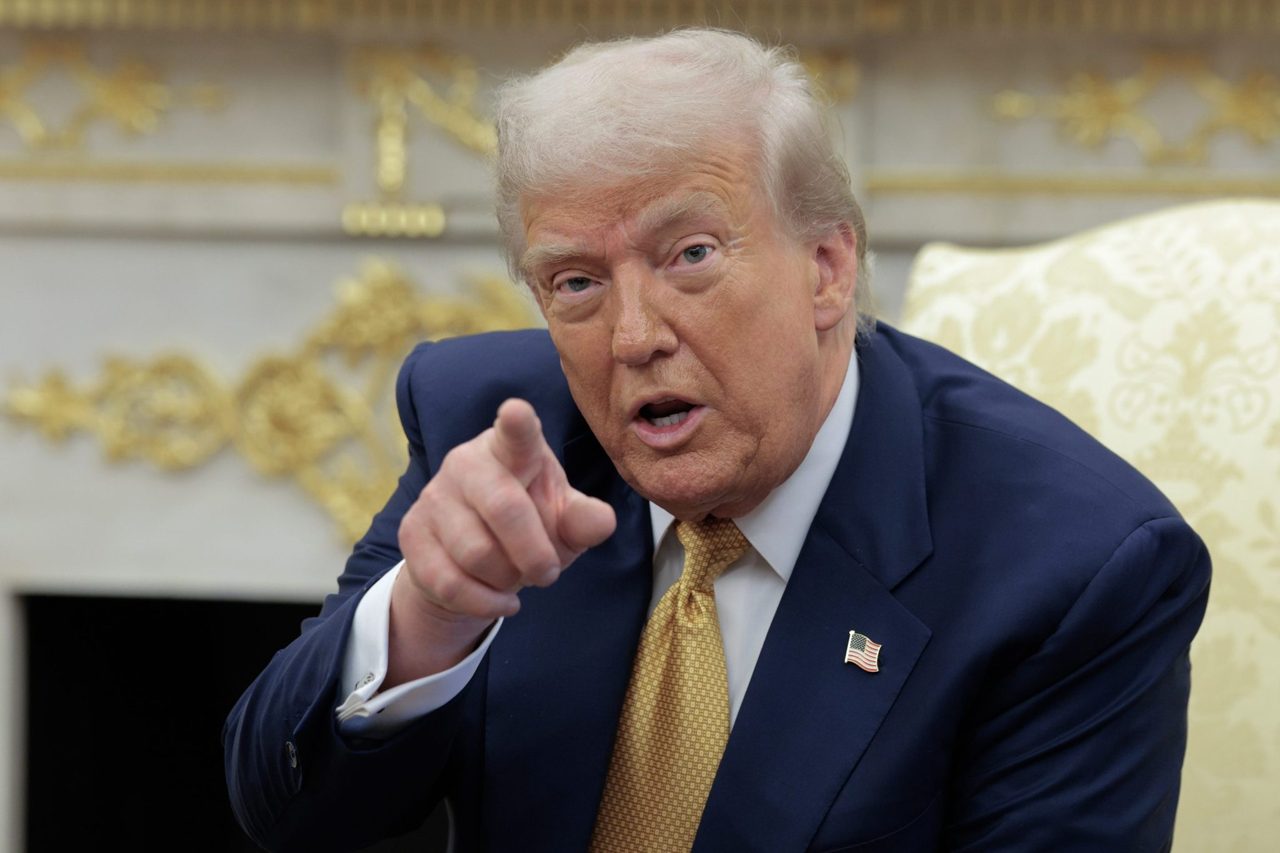
The Trump administration is imposing 25% tariffs on Brazil using a legally resilient trade provision, signaling a broader strategy that threatens long-term supply chain planning and keeps inflationary pressure on the Federal Reserve.
The United States will impose 25% tariffs on many Brazilian imports later this month, marking the first major use of a new legal workaround following the Supreme Court's rejection of the administration's previous tariff framework. The duties follow a yearlong investigation by the Office of the U.S. Trade Representative under Section 301 of the Trade Act of 1974, which concluded Brazil engaged in unfair trade practices.
The shift in legal strategy stems from a February Supreme Court ruling that barred the use of the International Emergency Economic Powers Act for tariffs. Since that decision, the U.S. Treasury has issued roughly $71 billion in refunds to importers, with $166 billion in total refunds expected. Domestic manufacturing has barely benefited, rising just 1.1% year-over-year as of June.
“The hope was tariffs were going to be a big revenue raiser, and right now it appears that actually tariffs are going to be potentially a loser through the second half of this year,” said James Knightley, ING’s chief international economist. The financial drain is prompting the White House to find alternative paths to enact its trade agenda.
A temporary 10% global surcharge enacted under Section 122 expires later this month, making Section 301 the administration's primary remaining tool. Unlike the emergency powers struck down by courts, this method has proven legally durable, having survived challenges to tariffs on roughly $250 billion of Chinese imports during Trump's first term. Furthermore, once an investigation is complete, the administration retains the power to adjust rates upward without launching a new probe. “If you set the tariff at say 15% and it’s deemed that it needs to be modified, then changing it to 30% isn’t the same involved process,” said Melissa Irmen, director of advocacy for the National Association of Foreign-Trade Zones.
Broader trade risks
Brazil may only be the first target. The USTR has already proposed tariffs on dozens of other partners, including the European Union, over the enforcement of forced labor bans. For businesses, this creates prolonged planning difficulties. “Uncertainty is just not a good thing in any kind of business planning,” Irmen said. Although the longer Section 301 investigations give companies more time to prepare than the abrupt emergency tariffs, importers still face the risk of paying duties for months or years only to face another refund process if the new duties are successfully challenged in court.
Additional tariffs also risk raising prices and complicating any effort by the Federal Reserve to cut interest rates. Political constraints may further drive the administration toward this executive-branch trade strategy. Polls suggest Democrats could win the House and split the Senate in the midterms, limiting Trump's ability to pass fiscal legislation. “If you can’t do tax and spending, you’re going to be more limited to areas where the president has executive powers,” Knightley said. “And trade, of course, is one of those.”