Iran strikes Bahrain refinery, widens Gulf energy threat
A US campaign targeting Iranian civilian infrastructure has drawn retaliation against Gulf energy assets, threatening critical oil and LNG supply routes.
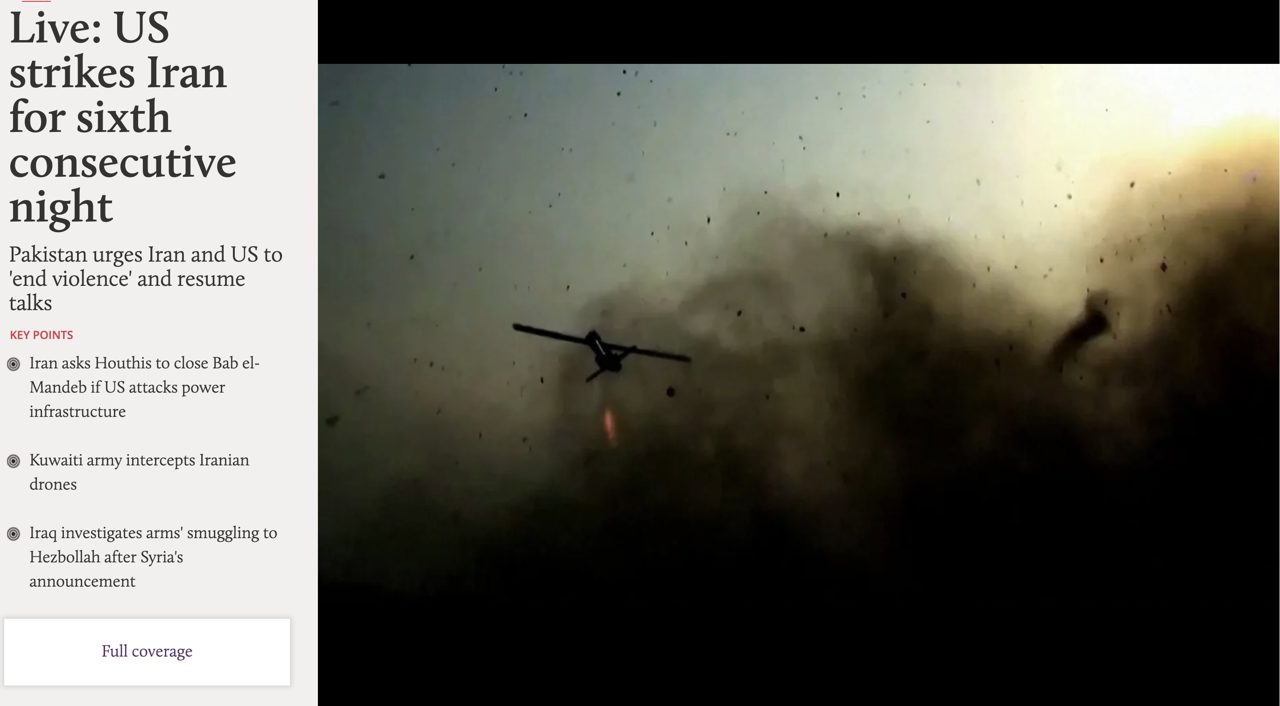
The United States conducted a sixth consecutive night of strikes against Iran, explicitly targeting civilian infrastructure, while Iran retaliated by striking a major refinery in Bahrain and military sites across the Gulf. Iran’s attack on Bahrain’s BAPCO refinery, which processes roughly 400,000 barrels per day, marks a dangerous shift from military targets to critical regional energy assets.
Tehran has declared the Strait of Hormuz an "inviolable 'red line,'" warning that further US attacks on Iranian infrastructure will result in strikes against infrastructure across the entire Gulf region. According to Reuters, Iran has also asked Yemen’s Houthi movement to prepare to close the Bab el-Mandeb strait if the US strikes Iranian power infrastructure. Such a closure would block approximately 4 million barrels a day of Saudi oil and vital LNG shipments to Europe.
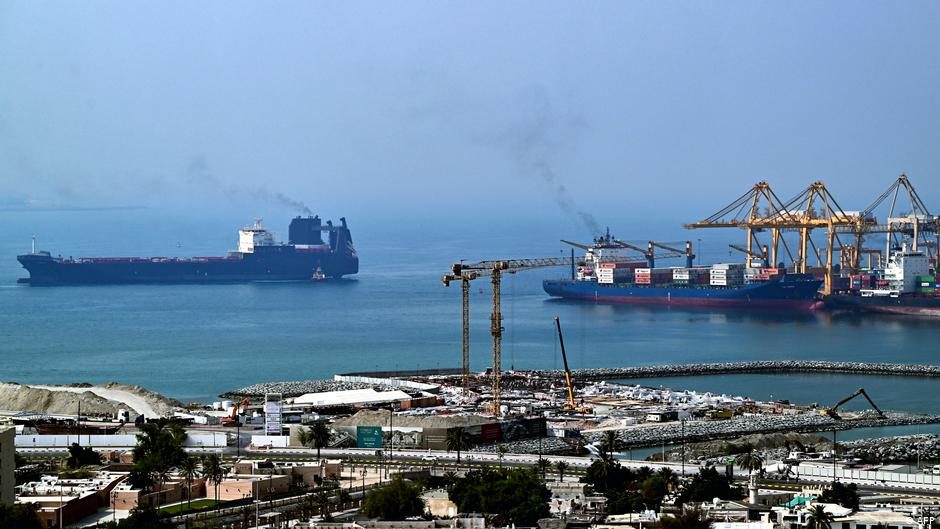
Additional threats loom over the port of Fujairah in the UAE, which handles about 1.7 million barrels of oil daily. The risk of losing these critical transit points has not yet triggered a sustained oil price surge, as near-term supplies remain adequate. However, this market complacency may be tested if Iran and its proxies act on these warnings.
The geopolitical escalation is colliding with a separate tech market rout. Leading AI chipmaker TSMC suffered steep losses, and SpaceX scrubbed a Starship rocket launch amid reports of a post-listing collapse threatening broader IPO market euphoria. Chipmakers have been the primary profitable segment of the AI sector; sustained weakness here undermines the valuation of the entire technology space.
Broader financial markets face secondary pressures. Similar market swoons have historically driven foreign investors to cut US positions, weakening the dollar. A weaker dollar would likely push Treasury interest rates higher, raising US funding costs precisely as military expenditure escalates.
The military campaign itself appears to lack a traditional strategic objective. "It frankly does look to me as if Trump just is upset, is in a bad mood and he wants Hegseth to show him daily images that something is blowing up in Iran," said analyst Trita Parsi. The US has promised further strikes next week.
Meanwhile, the conflict is widening. The UAE reportedly entered the war directly, launching a loitering drone at Bandar Abbas. Despite the direct threat to their energy infrastructure, Gulf states have so far shown no evidence of trying to restrain the US campaign.