Dollar set for weekly drop as Fed rate hike bets fade despite Middle East tensions
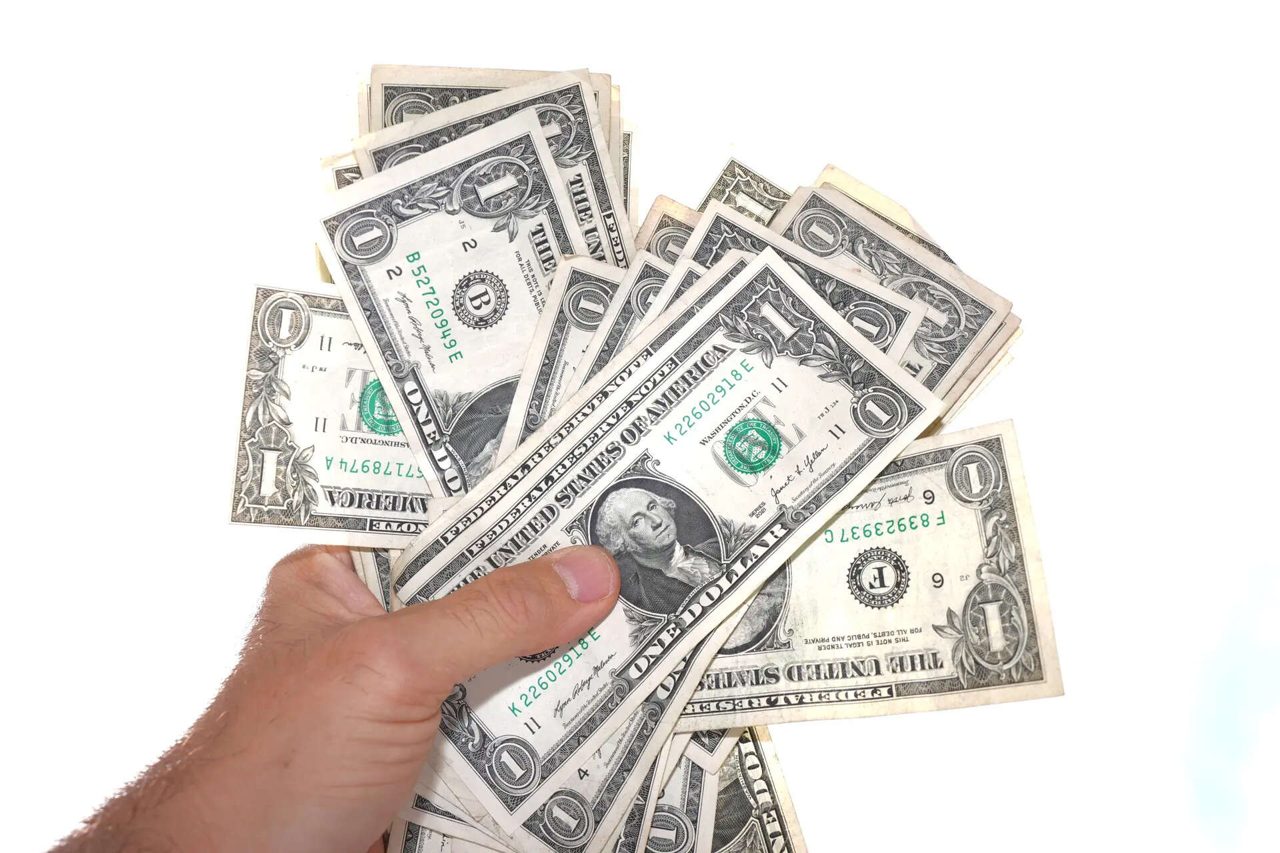
The US dollar is poised for a weekly decline as cooling inflation and resilient economic data prompt traders to scale back Federal Reserve rate hike expectations, offsetting safe-haven demand from escalating Middle East tensions.
The US dollar is on track for a weekly decline as market participants significantly reduce their bets on near-term Federal Reserve interest rate increases. This shift in monetary policy expectations is overshadowing safe-haven demand for the currency, which had initially surged due to a week-long escalation in hostilities between the United States and Iran.
The euro climbed to $1.1445, positioning it for a weekly gain of 0.29 percent. Sterling also advanced to $1.3476, marking its third consecutive week of appreciation as anxieties regarding Britain’s fiscal outlook continue to dissipate.
Conversely, the Japanese yen remained under pressure, trading at 162.39 per US dollar. The currency is hovering near the 40-year low of 162.84 reached earlier this month, as market participants remain cautious about potential intervention from Tokyo authorities.
Underpinning the shift in rate expectations is recent US economic data showing unexpected resilience. Retail sales rose slightly in June, driven by a surge in online spending that offset lower receipts at service stations due to cheaper gasoline, prompting economists to upgrade second-quarter growth estimates.
Recalibrating Monetary Policy
This consumer strength, alongside indicators of labour market stability, supports the view that the central bank will keep interest rates unchanged later this month. Market pricing for a Federal Reserve rate hike in July has subsequently dropped to 11 percent, down from 25 percent a week ago, according to the CME FedWatch tool.
Looking further ahead, traders are now pricing in only 26 basis points of rate increases by December, a notable decrease from the 44 basis points anticipated earlier in the week. This recalibration follows data indicating that consumer price inflation cooled in June.
Despite the recent improvement, policymakers remain cautious about relying on a single month of favourable data after a prolonged period of rising prices. Federal Reserve Vice Chair Philip Jefferson recently indicated he would remain open to raising interest rates if inflation fails to show near-term improvement.
Market focus now turns to a scheduled speech by US President Donald Trump at 0100 GMT, which could provide further direction for global assets amid the ongoing geopolitical volatility.