Hormuz Halt Pushes Oil Up 13% as IEA Warns of Shock
A sudden halt to tanker traffic through the Strait of Hormuz has driven oil prices up 13%, prompting the IEA to warn that global economies have only weeks to avoid a damaging supply shock.
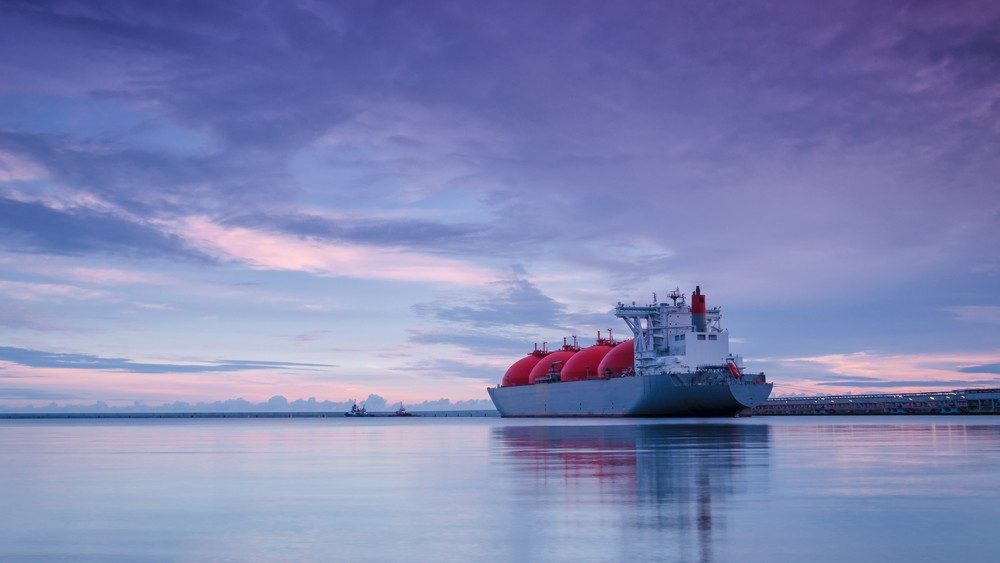
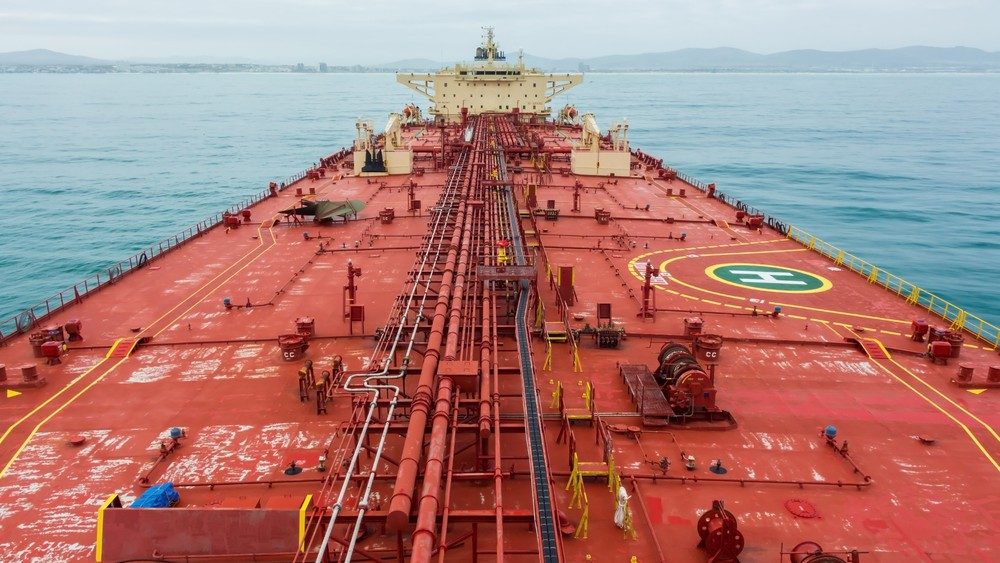
Tanker traffic through the Strait of Hormuz ground to a halt late last week following Iranian attacks on commercial vessels and a U.S. naval blockade targeting Iranian oil exports. Daily transits have plummeted to five-week lows, abruptly ending a brief rebound that followed a recent U.S.-Iran memorandum of understanding. Crude prices have surged roughly 13% since Friday, driven by the attacks on two Abu Dhabi national oil company supertankers and other commercial ships.
Financial markets are rapidly repricing the risk of prolonged supply disruptions. Traders across oil, bond, and equity markets are adjusting their portfolios for a new inflationary spike driven by constrained fuel flows. Governments and economists are bracing for broader economic fallout, particularly as the previous rush by Middle Eastern producers to evacuate their accumulated Gulf oil inventories has completely stalled.
The International Energy Agency issued a stark assessment of the timeline for resolving the crisis. Executive Director Fatih Birol warned that the chokepoint must be "fully open, unconditionally open" to spare the global economy from new challenges. "It is not months, it is weeks" before the closure inflicts lasting damage, he added.
Birol emphasized that a prolonged shutdown would broadly strain international trade. "If the Strait of Hormuz remains closed we may again have some difficulty for global economies, including those in the region and developing nations and Asia," he said. This vulnerability is already reflected in the pricing of major asset classes.
For market participants, the immediate supply stress is not in raw crude but rather in increasingly tight refined fuel markets. The physical risks preventing a resolution remain severe. The United Nations International Maritime Organization highlighted these dangers, with Secretary General Arsenio Dominguez stating that navigating the strait is now too dangerous for ship owners and operators to attempt.