European stocks slip as Iran conflict lifts oil, bond yields diverge
European equities and bond yields are diverging from the US as escalating US-Iran hostilities push oil prices sharply higher and rekindle European rate hike fears.
European equities fell on Thursday as escalating military strikes between the US and Iran drove crude prices higher, creating a stark divide between US and European government bond markets. The STOXX 600 moved lower, dragged down by 0.5 per cent to 1 per cent declines in utilities and telecoms that offset gains in tech names like ASML.
Brent crude futures rose 0.7 per cent to $84.50 a barrel in London, bringing weekly gains to roughly 11 per cent. The surge follows overnight US strikes on Iran and retaliatory Iranian attacks on US bases in Kuwait and Jordan. "It's hard, unfortunately, to take your eyes off the Iran war, Trump's tweets and the oil price," said James Athey, a fund manager at Marlborough.
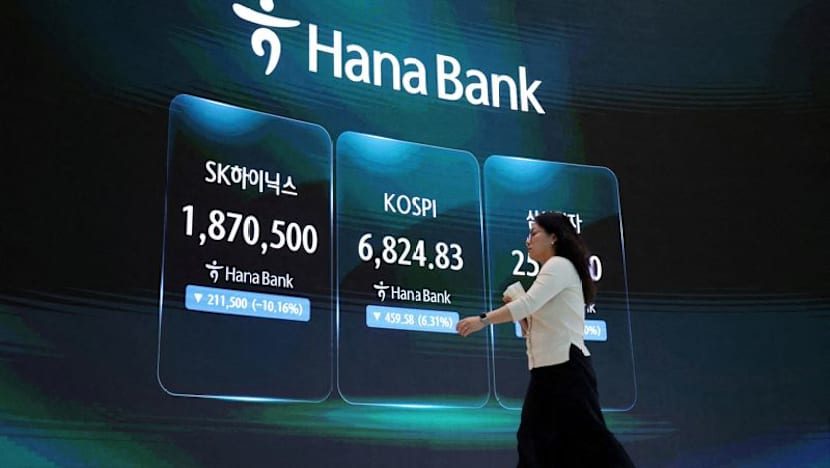
The geopolitical turbulence compounded a brutal unwind in Asian technology stocks. South Korea's KOSPI plunged 6 per cent, erasing its first-half doubling to sit nearly 20 per cent lower this month, despite stellar results from Taiwanese chip giant TSMC. Sentiment was not helped by SpaceX shares dropping below their initial public offering price for the first time on Wednesday. "In equities, there is still incredible volatility," Athey added. "The market is still flailing a bit for want of a better word, on how to price the AI trade and the extent to that is sustainable."
In contrast to Europe, Wall Street futures pointed to a steady session supported by a surprisingly soft US PPI report for June. The data, which followed benign consumer inflation figures a day earlier, pushed trader pricing on a US rate hike this month down to just 10 per cent from a recent 43 per cent. Following two days of declines, 2-year Treasury yields edged up 2 basis points to 4.1514 per cent and 10-year yields added 1 basis point to 4.5594 per cent. "The cooler (U.S.) PPI report fits with recent inflation data coming in below consensus, which should be welcomed by the Fed," said BCA Research strategist Felix Vezina-Poirier. "We are past peak hawkishness."
That dovish shift pulled the dollar index down to 100.52, but the inflation narrative looks entirely different in Europe. Germany's 10-year bond yield rose 1 basis point to 3.13 per cent, its highest since May 20, having climbed 26 basis points in July. Traders fear that climbing oil and gas prices will force the European Central Bank to raise interest rates aggressively, stifling economic growth. Britain's 10-year gilt yield briefly touched 5 per cent on Tuesday.
The dollar's decline excluded the yen, which hovered at 162.16, close to a 40-year low of 162.84 as speculators anticipated potential Japanese intervention. Sterling slipped from a two-month high after reports that incoming Prime Minister Andy Burnham would name fiscal conservative Shabana Mahmood as chancellor. The appointment follows data showing Britain's economy grew just 0.1 per cent in May. "In short, PM (Keir) Starmer hands over the economy to his successor on a much better footing," said Deutsche Bank chief UK economist Sanjay Raja.