UBS warns El Niño delays Latin America rate cuts
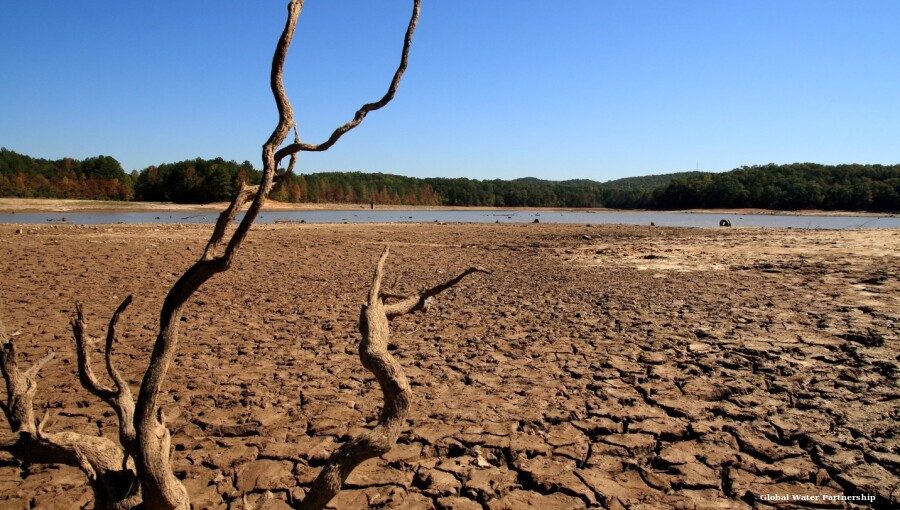
A severe El Niño cycle risks reviving inflation across Latin America, forcing central banks to keep interest rates higher for longer.
A strong El Niño weather pattern threatens to disrupt food production and electricity generation across Latin America, potentially forcing regional central banks to delay interest rate cuts, UBS warned on July 13.
The US National Oceanic and Atmospheric Administration puts the probability of this episode reaching a very strong intensity at 63%, with impacts expected to persist until late 2026 and into early 2027. UBS analysts Alejo Czerwonko, Alberto Rojas and Laura Assis Iragorri noted that El Niño "changes where the water goes," shifting rainfall patterns to trigger localized floods and droughts.
For fixed-income investors, the primary risk is a supply-side inflation shock that upends the current market consensus for monetary easing. UBS cautioned that any price spike would likely force markets to price in prolonged higher policy rates. Regional central banks have historically favoured a restrictive stance during inflationary shocks to protect their credibility and limit currency depreciation.
UBS assessed regional economies based on their physical exposure to extreme weather and their macroeconomic capacity to absorb shocks. Under this framework, Colombia emerges as the most vulnerable. The bank cited its existing high inflation, a weak fiscal position and significant sensitivity to swings in both food and electricity prices.
Brazil and Peru also feature among the more at-risk nations, driven by different factors. UBS pointed to Brazil's broader macroeconomic fragility, whereas Peru faces heavier direct physical exposure to climate disruptions hitting its crops, fisheries and transport infrastructure. Mexico's exposure is mixed, with the ultimate inflationary impact hinging on whether extreme weather strikes key food-producing regions.
The bank also flagged specific localized risks. Drought could severely strain Venezuela's hydroelectric generation, its primary power source. In Panama, lower water levels threaten to disrupt vital canal traffic, though dynamic toll pricing is expected to limit the fiscal damage. Argentina could actually see a boost to grain and oilseed output from higher rainfall, while Chile's overall exposure remains limited.
The Latin American assessment is part of a wider set of global warnings. Forecasters have informally labelled the 2026-27 cycle a "super" event due to projected Pacific warming. Goldman Sachs estimates the cycle could drive a 15.8% increase in global food commodity prices by the second half of 2028, while UniCredit warned an extreme scenario could cut global agricultural output by 14.3%, wiping out roughly $342bn in production.
UBS emphasized that precise forecasting remains difficult, recommending investors assess vulnerabilities across multiple scenarios. Summing up the uncertainty, the US Climate Prediction Center noted that while "even the strongest El Niño events do not lead to the typical impact everywhere, stronger events can more significantly tilt the odds in favour of expected outcomes."