Shell-Equinor Jackdaw venture cites low emissions to win UK approval
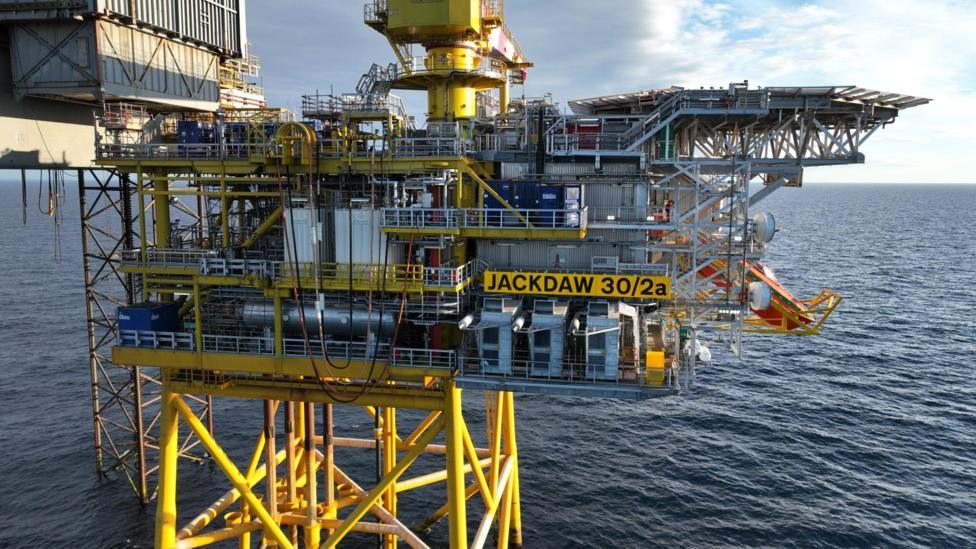
Adura, the Shell-Equinor joint venture, has submitted a revised climate assessment claiming the Jackdaw gas field will have a negligible impact on global warming as it seeks to overturn a judicial ruling blocking the North Sea project.
Adura, a joint venture between Shell and Equinor, has submitted a new environmental impact assessment for its Jackdaw North Sea gas field, arguing its lifetime emissions will represent less than 0.02% of annual global greenhouse gases.
The 159-page report was mandated by the Offshore Petroleum Regulator for Environment and Decommissioning. It follows a ruling last year by the Court of Session in Edinburgh, which voided the UK government's original approval for both Jackdaw and the Rosebank oil field.
The judge found that ministers unlawfully failed to consider the downstream climate impact of burning the extracted fuel. The ruling forced Adura to provide additional context on how the project's emissions would affect global ambitions to limit climate change before production can begin.
For Shell and Equinor, the submission is a critical step in rescuing a stalled infrastructure asset. North Sea developers are facing intensifying legal challenges from environmental groups, making regulatory approval increasingly difficult and expensive to secure for new fossil fuel projects.
To make its case, Adura is positioning Jackdaw as a lower-carbon alternative to imported energy. The venture claims that using domestic gas instead of US liquefied natural gas would save the equivalent of four million tonnes of CO2.
Adura argued these savings would come from eliminating the energy required to liquify, transport, and regasify imported fuel, resulting in roughly 20% higher emissions from imports compared to domestic production. It also cited the UK's "well-regulated industry" and its alignment with the Paris Agreement.
Environmental campaigners, who brought the original legal challenge alongside Greenpeace, rejected the operator's rationale. Tessa Khan, executive director of Uplift, argued the field would have "no impact on our energy bills" and "do precious little to increase our gas supply."
Khan noted that after 50 years of drilling, the UK has burned most of its domestic gas reserves. She said a small field like Jackdaw would do "next to nothing to reduce our dependence on imports."
Greenpeace UK chief scientist Doug Parr called the assessment's claims "self-serving," stating that any new oil and gas field approval is "wholly incompatible with keeping global warming to 1.5°C." He argued the project would not materially strengthen UK energy security.
The previous revised assessment, submitted in November, estimated Jackdaw could produce up to 35.8 million tonnes of CO2 equivalent over its lifetime, equating to around 90% of Scotland's total emissions. The UK government must now decide whether to grant fresh consent based on the new data.