US crypto bill awaits ethics fix ahead of Senate vote
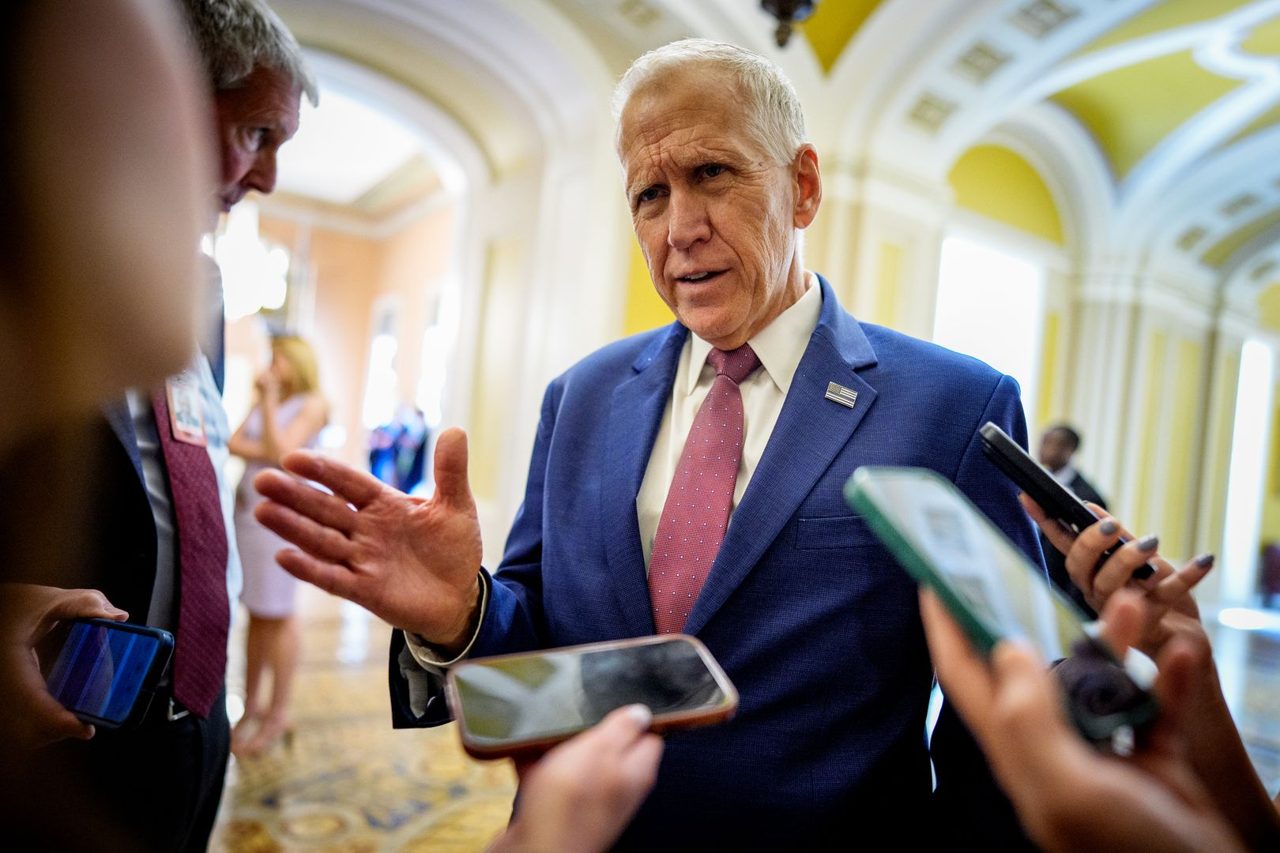
A bipartisan compromise on government crypto conflicts of interest could determine whether the Digital Asset Market Clarity Act reaches a Senate vote this week or slips into the uncertainty of a September legislative crunch.
Senators Thom Tillis and Ruben Gallego have finalized a bipartisan compromise to revamp the ethics section of the Digital Asset Market Clarity Act, according to people briefed on the effort. The exact language has not yet been released, but the agreement represents the latest attempt to break a legislative deadlock stalling the flagship crypto market structure bill. Its reception will dictate whether the legislation can advance before the Senate breaks for its August recess.
The provision targets conflicts of interest for senior government officials, a section designed with President Donald Trump’s crypto business empire in mind. While the White House recently agreed to a narrow version of the constraint, Democrats argued the structure allowed for non-compliance without enforcement risk from a loyalist-led Department of Justice. The Tillis-Gallego proposal aims to bridge that gap and secure the 60 votes needed to overcome a filibuster.
For the crypto industry, the calendar is the immediate enemy. The Senate has just seven days of business left before its summer break, and Majority Leader John Thune must navigate a multi-day cloture process already crowded by Russia sanctions legislation and federal nominations. If Thune does not initiate cloture by the end of this week, the bill’s best chance at passage shifts to a brief, politically fraught September window just ahead of the November midterms.
Resolving the ethics provision alone will not guarantee passage. Remaining disputes over decentralized finance liability and stablecoin yield programs continue to pit crypto advocates against traditional banks and law enforcement groups. The American Bankers Association urged Senate leadership in a Tuesday letter to ensure the prohibition on stablecoin interest "cannot be evaded through rewards, incentives, or other arrangements that are substantially similar to interest payments."
The legislative friction is increasingly public. White House crypto adviser Patrick Witt argued the administration had "made our position abundantly clear to Senator Cortez Masto for weeks" regarding illicit finance protections, later adding "Make it make sense" in response to the banking lobby's demands. Thune acknowledged the narrow path forward, stating on Fox News: "We will probably have a vote on the Clarity Act," but cautioning, "We'll see if the Democrats give us the votes to get on that."