Gold drops 1.2% as Hormuz closure drives oil, dollar higher
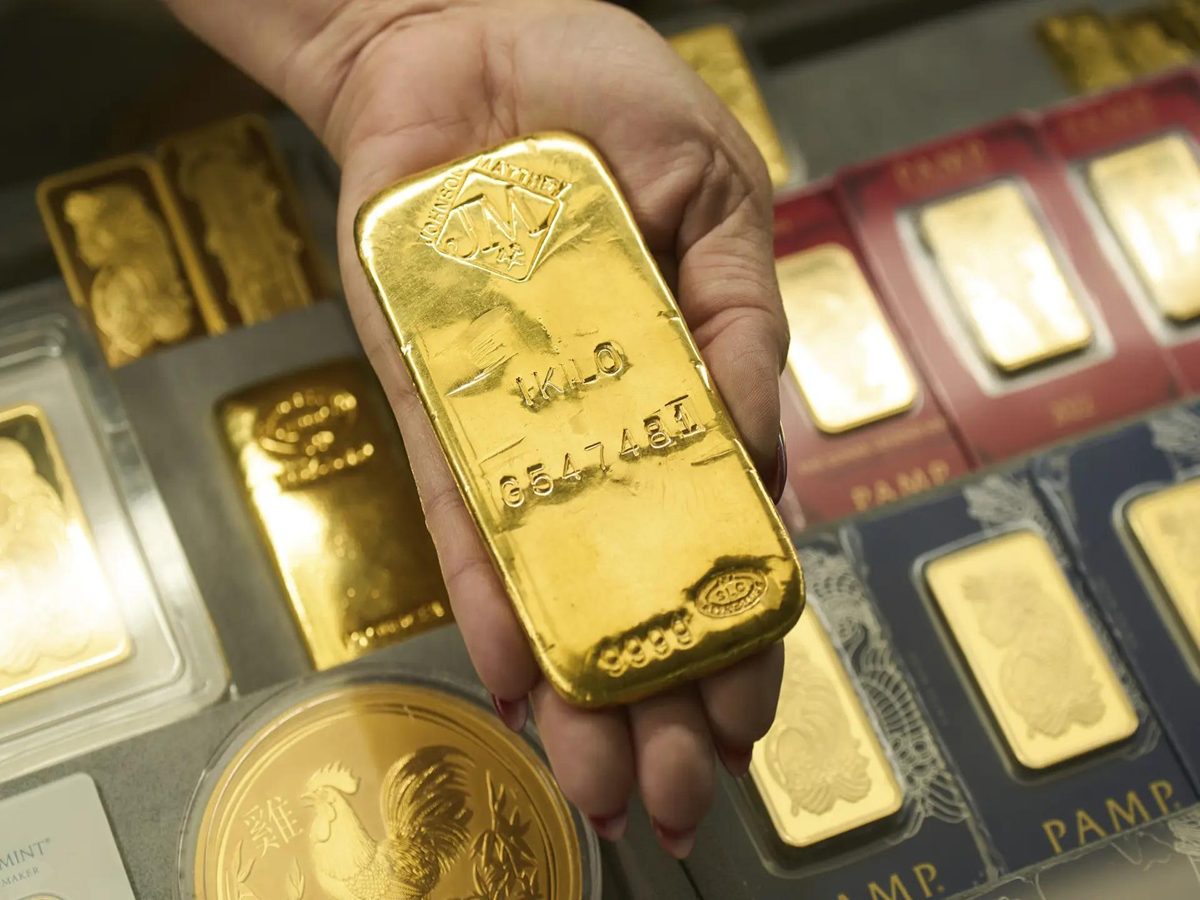
Gold prices fell despite escalating US-Iran military strikes and the closure of the Strait of Hormuz, as a surging dollar and rising US inflation expectations offset traditional safe-haven demand.
Spot gold dropped 1.2% to $4,072.78 per ounce by early Asian trading, while US gold futures for August delivery fell 0.8% to $4,081.70. The selloff in bullion coincided with a sharp 4% jump in oil prices and a rising dollar after Tehran said it had again closed the Strait of Hormuz.
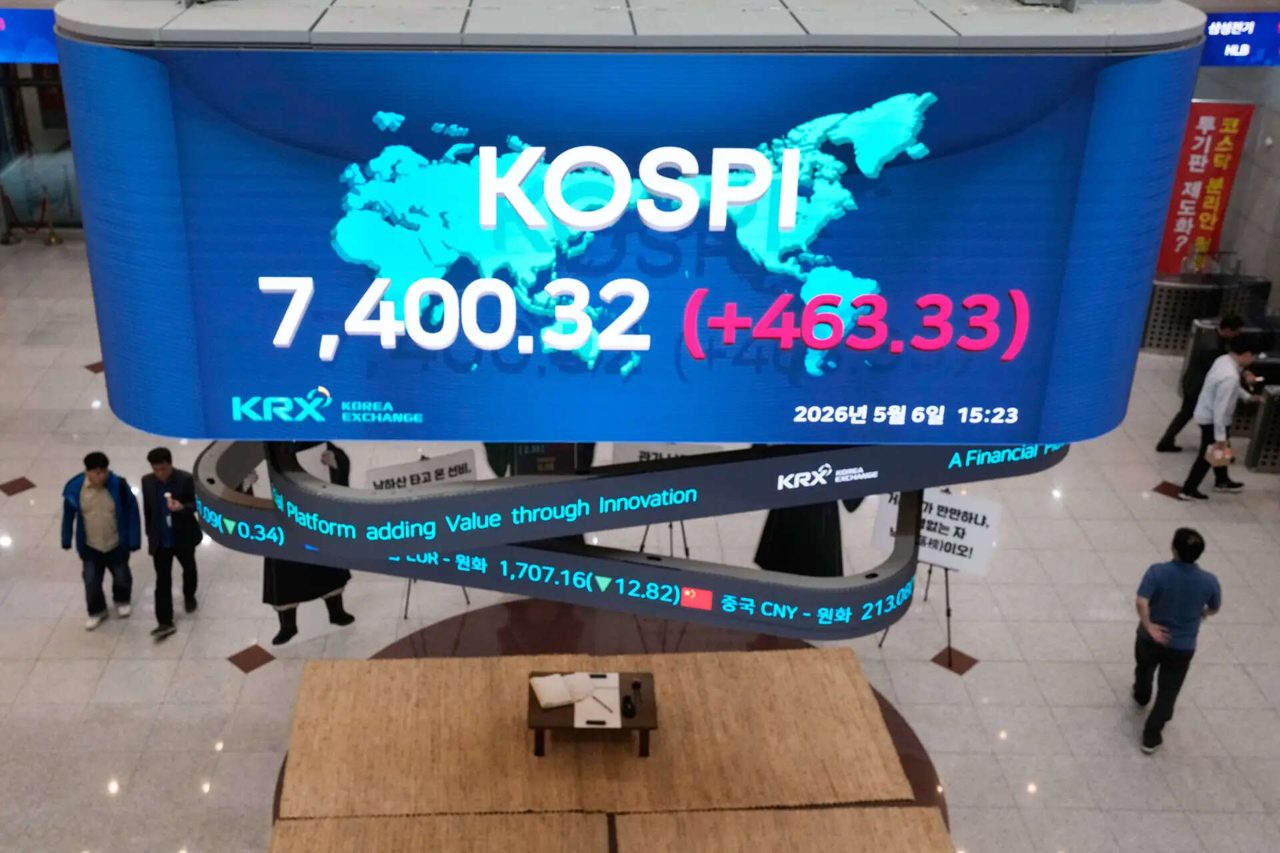
The price moves followed heavy missile and drone exchanges between US and Iranian forces over the weekend. Tehran targeted US facilities across Gulf states on Sunday, prompting Asian equity markets to slip as the fighting intensified.
Bullion typically rallies during military conflicts, but a strengthening dollar and shifting monetary policy expectations pressured prices this time. Higher-for-longer interest rates increase the opportunity cost of holding non-yielding assets. On Friday, the Federal Reserve reported to Congress that US inflation "stepped up further this spring," citing tariffs, war-related energy costs, and the artificial intelligence buildout as drivers of persistent price pressures.
Physical demand in Asia showed diverging trends amid the volatility. Indian gold traded at a wide discount last week as local buyers balked at price swings. In contrast, Chinese demand held steady, highlighted by the People's Bank of China reporting its largest monthly increase in gold reserves in more than two and a half years during June.
The broader precious metals complex declined alongside gold. Spot silver fell 1.6% to $58.89 per ounce, platinum shed 1.1% to $1,610.22, and palladium dropped 1.3% to $1,260.15. On the supply side, Burkina Faso awarded an industrial mining permit to state-owned miner SOPAMIB for the Bouboulou gold project.
For portfolio managers and institutional investors, the current market dynamic underscores a shifting macro landscape. The inflationary shock from Middle Eastern energy supply disruptions is currently outweighing the traditional safe-haven appeal of precious metals. As the dollar strengthens, dollar-priced commodities become more expensive for international buyers, creating a compounding headwind for gold.