HK developers segment Greater Bay sales strategies
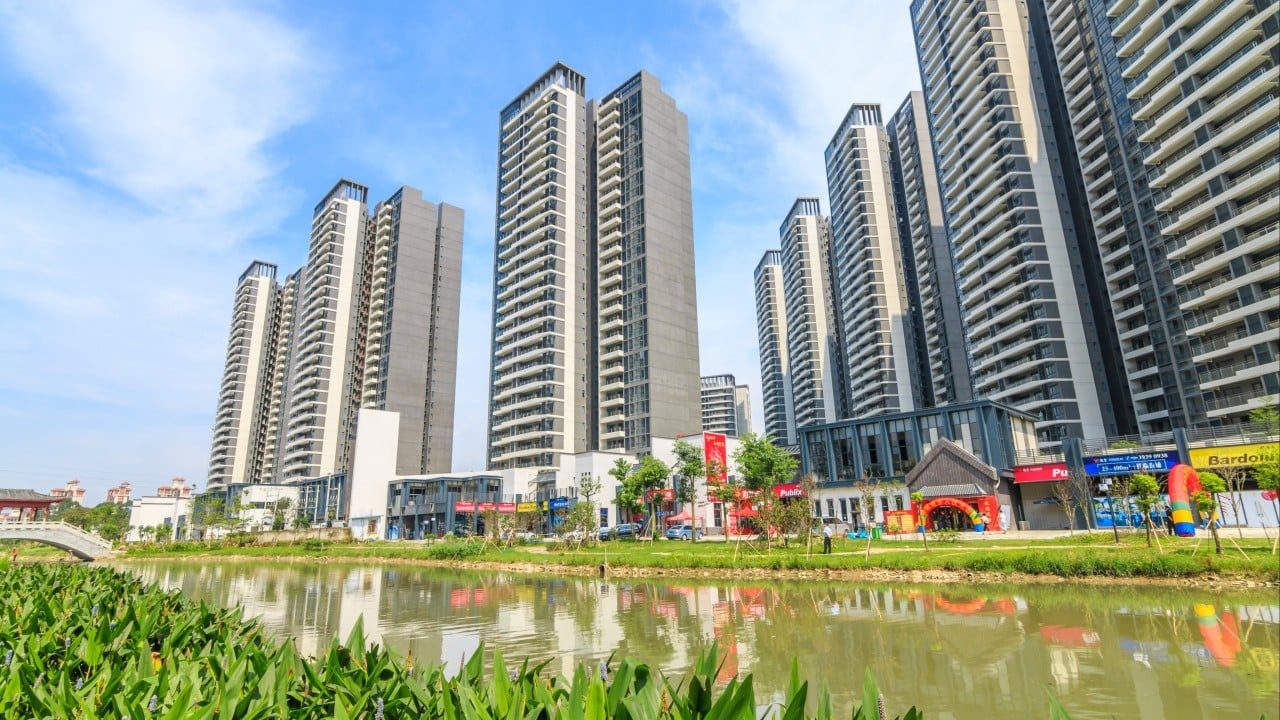
The mainland property crisis is forcing Hong Kong developers to split their Greater Bay Area strategies, as buyer demographics fracture along geographic lines.
Hong Kong property developers are rapidly adjusting their Greater Bay Area strategies. The mainland’s prolonged debt crisis has fundamentally reshaped buyer demographics across the region.
In border zones like Zhuhai’s Hengqin and Shizimen, Hong Kong residents are driving sales. They now account for 40 per cent to 60 per cent of transactions at projects built by Sun Hung Kai Properties, Henderson Land, and Wharf Holdings, according to Midland Realty.
The dynamic reverses in inland cities. In Guangzhou’s Tianhe and Huangpu districts and Foshan’s Nanhai district, Hong Kong buyers represent just 8 per cent to 15 per cent of sales for the same developers.
This geographic split reflects a deep shift in market demand. “Hong Kong buyers are now the ‘primary customer base’ only for mainland projects in areas close to the Hong Kong border, such as Hengqin in Zhuhai and Ma’an Island in Zhongshan,” according to Chung.
Beyond these immediate commute zones, the market has changed. “Buyers for Hong Kong developers’ projects in inland urban areas like Guangzhou and Foshan remain predominantly local mainlanders purchasing for owner-occupation,” Chung added.
For investors and market professionals, this bifurcation signals that Hong Kong developers can no longer rely on a unified cross-border sales model. The crisis has segmented the Greater Bay Area into distinct markets with entirely different buyer profiles.
Capital allocation and marketing budgets for firms like Sun Hung Kai, Henderson Land, and Wharf Holdings must now be tailored strictly by geography. Border projects retain access to Hong Kong capital, while inland assets are tied directly to local mainland end-user demand.
This shift alters the risk profile of inland portfolios. With Hong Kong buyers concentrated near the border, the performance of Guangzhou and Foshan projects now depends entirely on local mainland economic conditions.