EU sanctions target $120B Russian crypto evasion network
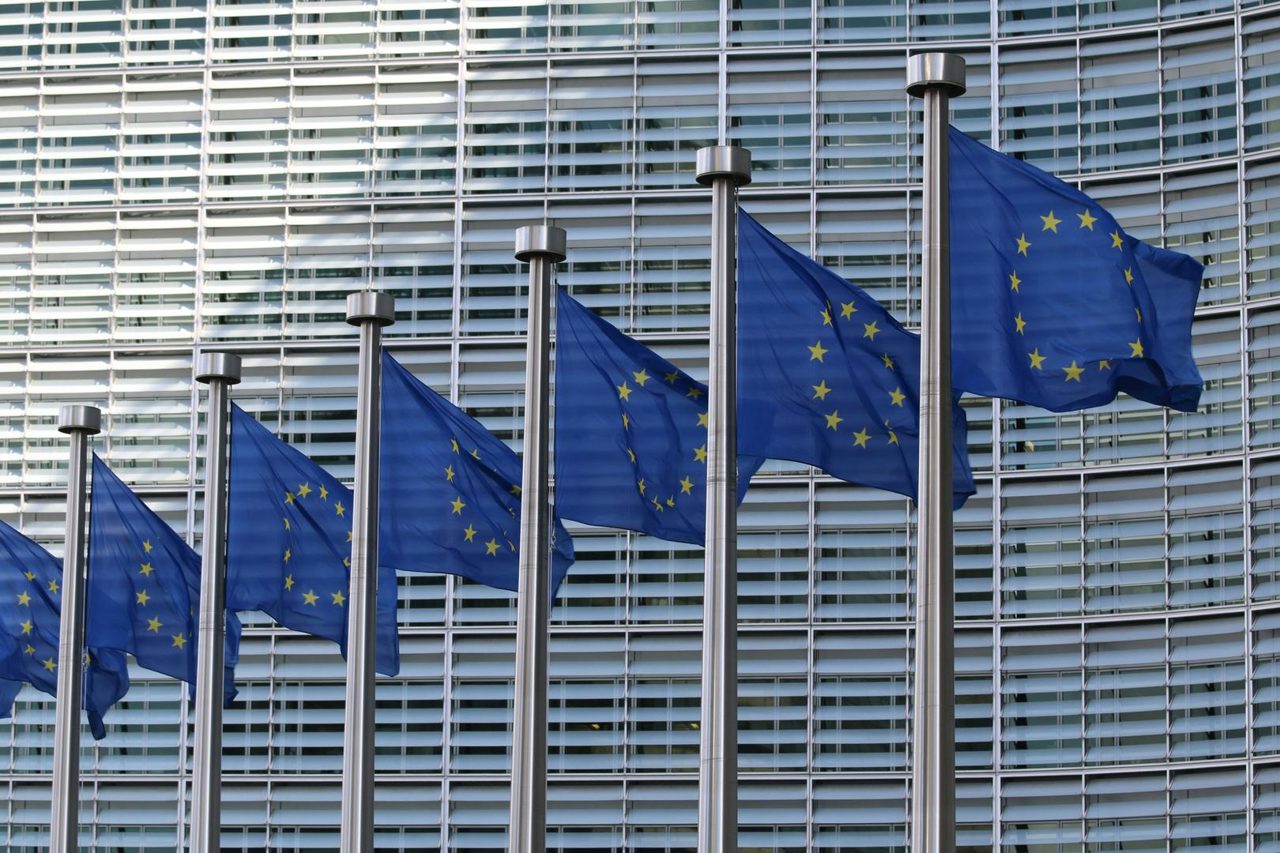
The European Union has introduced a mechanism to ban third-country crypto services as part of its 21st sanctions package, aiming to dismantle a $120 billion network built to evade Russian financial restrictions.
The European Union’s 21st sanctions package against Russia directly targets the A7 cross-border payments network and its A7A5 stablecoin, infrastructure that blockchain analytics firm Chainalysis estimates has processed nearly $120 billion to date. The latest measures impose asset freezes and transaction bans on 94 banks and major financial institutions. They also extend existing restrictions to 33 additional Russian credit and financial entities.
For the first time, the EU is deploying a regulatory tool that could result in a full ban on third-country crypto-asset services used by Moscow. This mechanism allows Brussels to prohibit any transaction between an EU operator and an external crypto provider facilitating Russian business. The bloc has already widened its transaction ban to 14 unnamed crypto platforms operating across the United Arab Emirates, Panama, Georgia, the Marshall Islands, Kyrgyzstan and Belarus.
The focus on the A7 network signals a strategic shift from broad sectoral restrictions to targeting specific technological infrastructure used to move money. Alongside its core operations, the EU designated four entities connected to the network, explicitly noting its recent expansion into Africa. "We’re hitting over a hundred banks and crypto operators, 40+ vessels in Russia’s shadow fleet, and several oil refineries in Russia and Belarus," said Kaja Kallas, High Representative for Foreign Affairs and Security Policy.
The sanctions arrive just three days after Russia’s State Duma passed legislation establishing a comprehensive framework for regulating crypto, with most rules taking effect on September 1. That domestic law creates a formal legal structure for digital asset exchanges, depositories and traders. The EU’s April sanctions package had previously warned that "Russia is becoming increasingly reliant on cryptocurrencies for international transactions."
For global crypto exchanges and institutional investors, the new EU instrument fundamentally expands compliance liabilities. Service providers based in hubs like the UAE or Panama must now weigh the severe risk of EU sanctions against their Russian client exposure. Brussels has made clear that facilitating digital asset flows for Moscow will trigger the same extraterritorial financial penalties traditionally reserved for conventional banking.