Argentina GDP Proxy Contracts 0.5% in May, Exposing Two-Speed Economy

Argentina’s economy contracted for a second consecutive month in May, missing analyst expectations by a wide margin and signaling that President Javier Milei’s aggressive austerity is crushing domestic demand before a broad recovery can take hold.
Argentina’s monthly economic activity estimator (EMAE) fell 0.5% in May on a seasonally adjusted basis, according to the national statistics agency INDEC. Year-on-year growth slowed to a marginal 0.2%, dramatically missing the 2.5% annual gain forecast by economists. The consecutive monthly declines confirm that the initial rebound seen earlier this year has lost momentum.
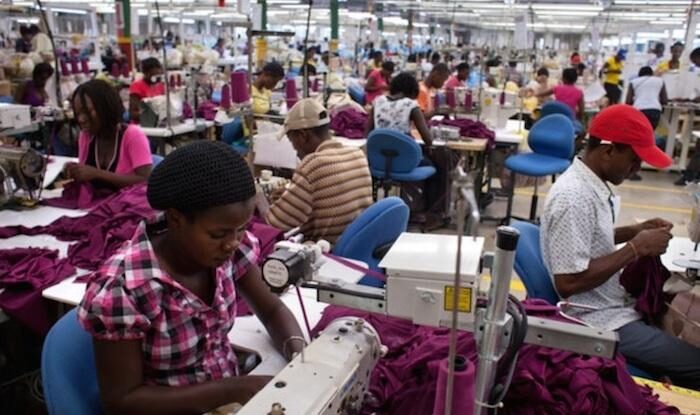
The headline figures obscure a deeply bifurcated economy. Agriculture and mining continued to expand, supported by strong global demand for extractive products like lithium and improved local harvests. However, manufacturing and retail trade contracted sharply, weighed down by inflation and stagnant real wages that have devastated household purchasing power.
This divergence is the direct result of President Javier Milei’s harsh fiscal adjustment. The programme is achieving its primary goal of crushing inflation, with monthly price rises easing to 2.1% in May from 2.6% in April. Yet the domestic cost is mounting, as rising unemployment and weak tax-revenue figures indicate consumers are in no position to drive a recovery.
For portfolio managers, the data demands a strict segmentation strategy. Export-oriented sectors like energy, mining and agribusiness remain compelling as a market-driven currency makes their goods highly competitive abroad. Conversely, consumer-facing industries and any investment tied to domestic demand face a much tougher road, with a broad-based recovery still elusive.
As the third-largest economy in Latin America, Argentina’s trajectory carries significant regional weight. A prolonged stagnation threatens to dampen trade flows across the Southern Cone, while a successful stabilisation could boost broader regional confidence.
The ultimate sustainability of this adjustment hinges on timing. Midterm elections in 2026 will test public tolerance for continued austerity, and a prolonged disconnect between export strength and domestic pain could erode the administration's political capital. Furthermore, the export engine is heavily reliant on global commodity prices. Any softening in lithium or grain markets would eliminate the economy's primary bright spot, leaving the government with few immediate levers to stimulate growth without abandoning its disinflation mandate.