IBM cuts software growth forecast, downplays AI disruption risk
IBM slashed its software revenue growth outlook and reported a steep decline in mainframe-linked sales, prompting the CEO to argue that the broader software unit remains insulated from artificial intelligence disruption.
IBM has lowered its software revenue growth guidance to between 6% and 8% for the year, down from a double-digit projection issued in January. The downgrade followed a disappointing second quarter where transaction processing software revenue fell 9%, a sharp reversal from the 2% growth recorded in the first quarter.
The software decline is directly tied to a sudden collapse in mainframe sales, which dropped 42% in the quarter after surging 48% in the prior period. Finance chief Jim Kavanaugh attributed the hardware shift to customers redirecting spending toward servers and storage as memory prices spike due to AI chip demand. Because IBM generates $3 in software revenue for every $1 in mainframe infrastructure, the hardware pullback immediately constrained the company's highest-margin segment, which supplied 45% of total quarterly revenue.
The performance has intensified broader market fears about AI disrupting legacy software models, a concern that has already dragged IBM shares down 30% this year. The stock previously sank 13% in February after Anthropic demonstrated its Claude Code tool modernizing Cobol mainframe code.
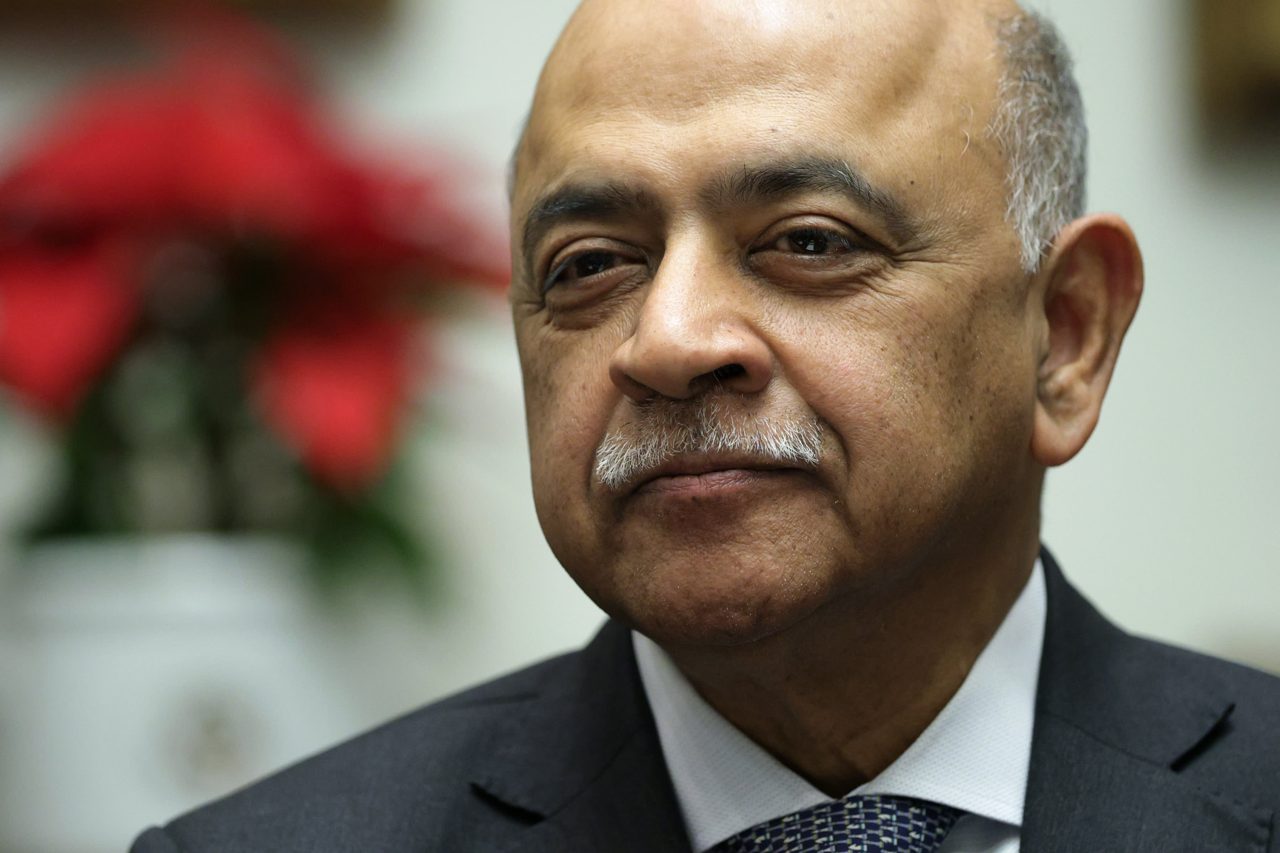
Chief Executive Arvind Krishna pushed back against the existential threat narrative on Thursday, asserting that only 2% of IBM's software is vulnerable to replacement by AI applications. He pointed to the recent loss of a $2 million annual contract with Starbucks, which is dropping IBM's Tririga lease management software before its 2027 support deadline, as an example of the specific code at risk.
"That is a big component of that 2% I talked about, and I do think that software like that is subject to risk," Krishna said. "By the way, what they had in place was a 10-year-old piece of software." He argued the remaining 98% serves as foundational infrastructure that will actually benefit as enterprises adopt AI.
Krishna attributed the current hardware-to-software lag to capacity expansions and predicted a recovery. "The software on that tends to lag the hardware capacity, and I do think that if we give it another year, you'll find the software will catch back up," he said. IBM reiterated its 2026 free cash flow target of a $1 billion increase, noting that 75% of delayed second-quarter deals should close before year-end.
Wall Street remains cautious about the timeline. "We would avoid giving full credit for the maintained guide until a larger portion of the slipped activity is reflected in reported results," Jefferies analysts wrote in a client note, while maintaining a buy recommendation on the stock.