Tesla posts negative free cash flow as $25bn AI pivot hits profits
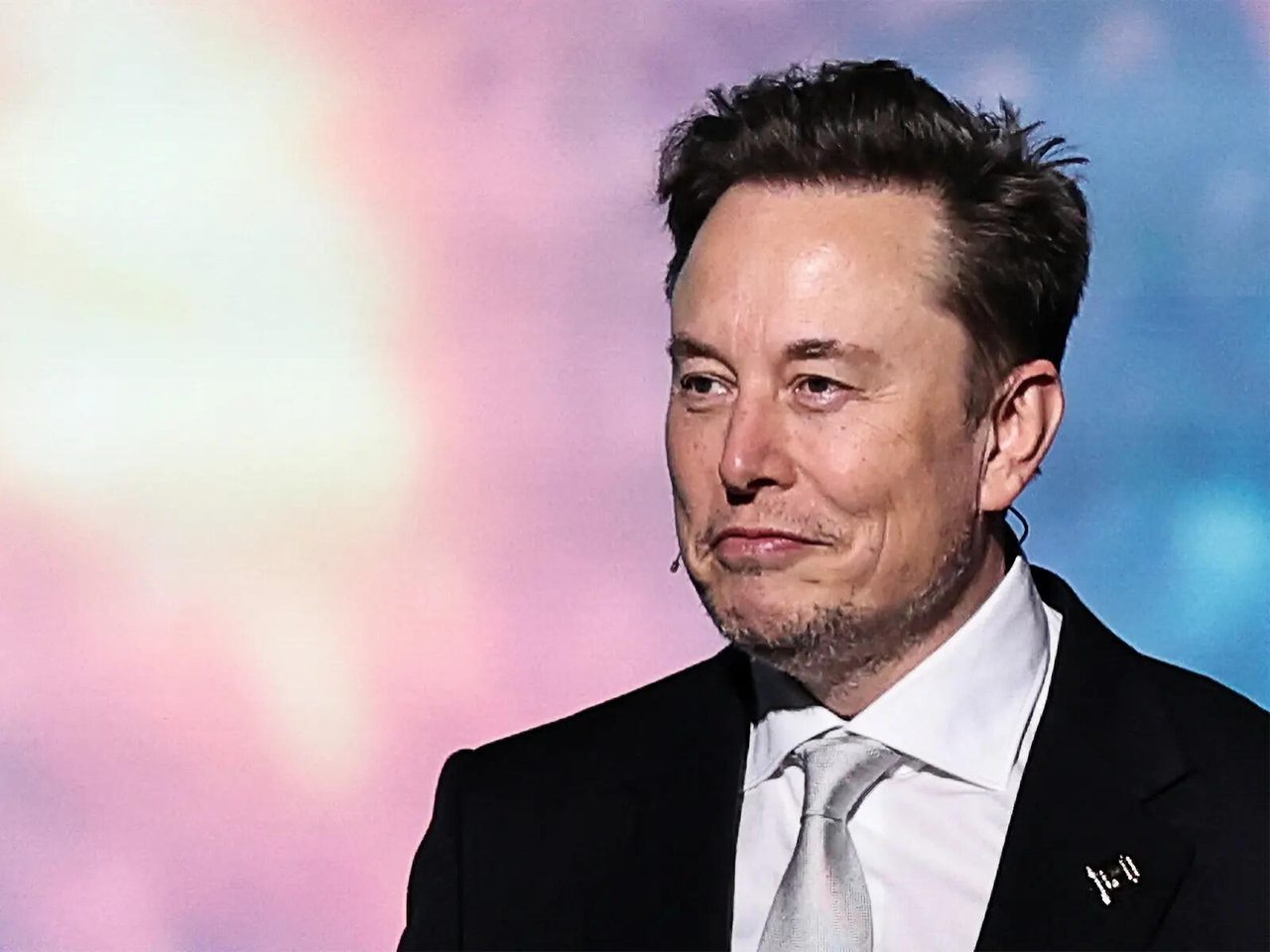
Tesla missed Q2 profit estimates for the first time in over two years after sharply increasing spending on artificial intelligence and robotics, sending shares down more than 4% in extended trading.
Tesla missed Q2 profit estimates for the first time in over two years, posting negative free cash flow as shares dropped more than 4% in extended trading. The earnings miss arrives despite record vehicle deliveries and a demand tailwind from higher oil prices driven by conflicts in the Middle East. Instead, profitability was squeezed by a combination of lower average selling prices, weaker regulatory credit revenue, and surging operating expenses tied to artificial intelligence development.
The financial strain is a direct result of a deliberate strategic shift. Chief Executive Elon Musk plans to spend more than $25 billion this year, which is almost triple the company's capital outlay in 2023. He is actively redirecting resources away from Tesla's core, revenue-generating auto business to fund long-term bets on self-driving technology, robotaxis, and humanoid robots.
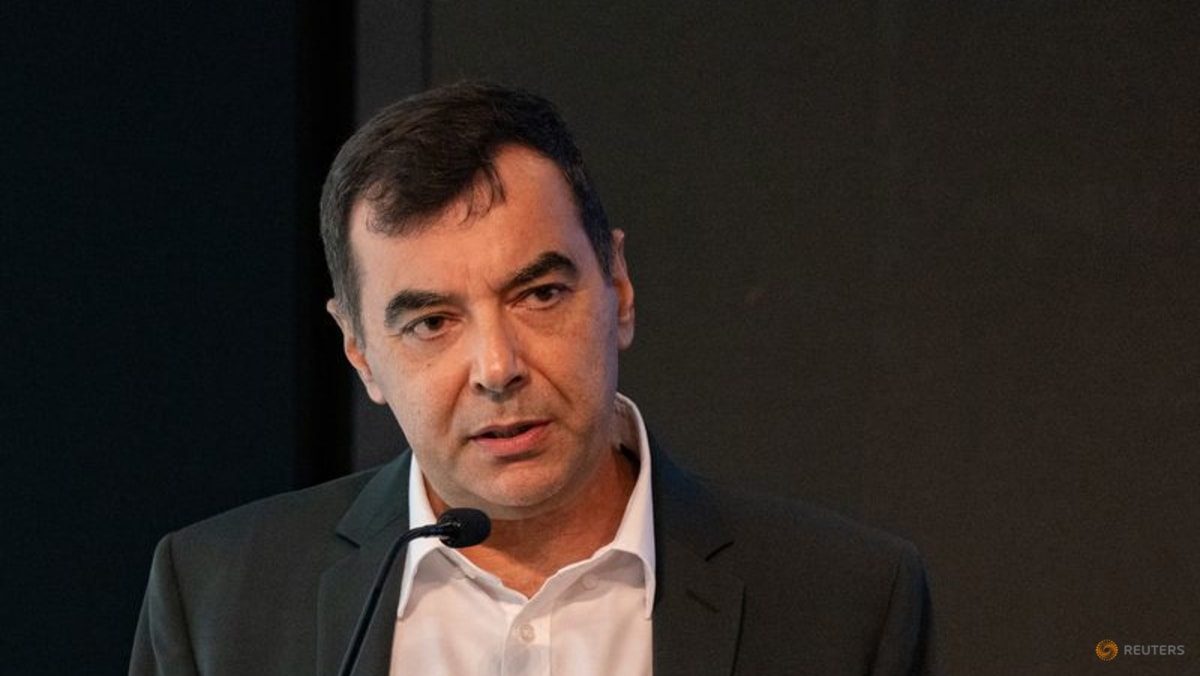
During the quarterly call, Musk outlined the delicate regulatory balance required to deploy a robotaxi fleet safely. He noted that up to 40,000 automotive deaths occur annually in the United States with minimal media scrutiny. “But if we injure even one person, it will be worldwide headline news,” he said, warning that any injury would trigger an immediate regulatory clampdown.
Musk characterized the speed of the robotaxi rollout as entirely constrained by the need to avoid accidents. “So we are going as fast as possible in scaling Robotaxi while trying to ensure that we do not harm anyone at all and ideally do not even run over a pet. So that is really the constraint: we want to go as fast as possible with Robotaxi without harming anyone,” he said.
Beyond autonomous vehicles, Musk identified the Optimus humanoid robot as Tesla's biggest future product. However, he acknowledged that building a machine capable of performing tasks without specific programming is a deeply complex problem. “No one has ever achieved this,” he noted, pointing to severe engineering hurdles in electromechanical design, dexterity, and long-term reliability against wear and tear.
For market professionals, the results underscore a critical and risky inflection point. Tesla is actively sacrificing near-term margins and burning cash to develop products that face massive technical and regulatory obstacles. The sharp after-hours sell-off indicates that investors are increasingly wary of swapping established automotive cash flows for unproven, capital-intensive robotics ambitions.