Billion-dollar rounds absorb 73% of US startup capital
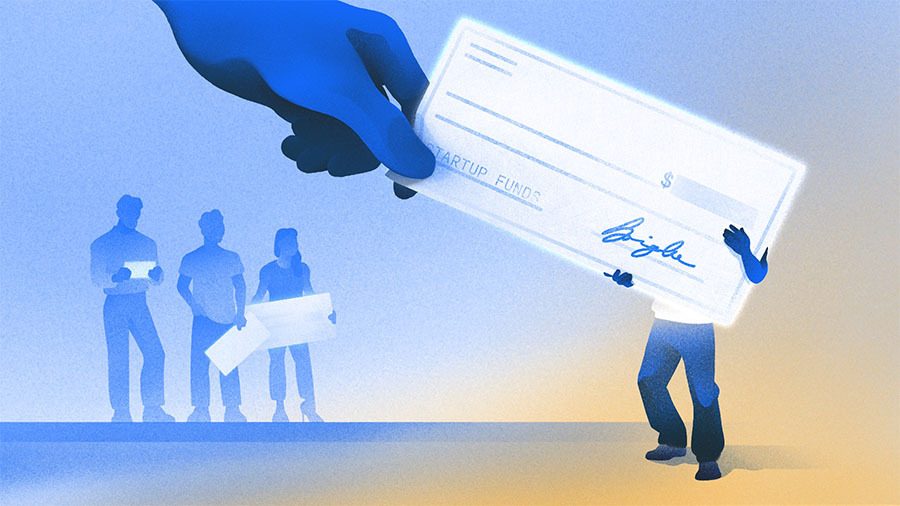
Venture capital is consolidating into billion-dollar rounds at an unprecedented rate, fundamentally altering how institutional capital is deployed and concentrating risk in a handful of AI developers.
Global startup investment hit a record $510 billion in the first half of 2026, but that capital is not being spread evenly. According to Crunchbase data, 60% of the $320 billion in global funding flowed into rounds of $1 billion or more. In the US, the concentration is even more extreme, with megadeals accounting for 73% of the $290 billion invested.
The sheer scale of these rounds represents a structural shift in venture capital, moving away from a model defined by smaller, early-stage bets. The only recent precedent for this level of concentration was the first quarter of 2025, when OpenAI closed a $40 billion financing. Now, megadeals have become the defining feature of the market rather than an anomaly.
Artificial intelligence is driving the bulk of this capital deployment. Just two AI companies, OpenAI and Anthropic, account for more than half of the total US capital deployed in billion-dollar-plus rounds this year. The financing sizes for these AI leaders are now reaching into the tens of billions, pushing the traditional venture model into uncharted territory.
This shift is characterized by both larger check sizes and greater frequency. US startups have closed 23 known rounds of $1 billion or more so far in 2026. That figure already matches the full-year record set in 2025, with roughly five months still left on the calendar.
Late-stage concentration carries historical risk
Unsurprisingly, these massive financings are almost entirely restricted to later stages or corporate investments. Only two of this year's billion-dollar rounds—Prometheus and World Labs—targeted seed or early-stage companies. Furthermore, rounds of $100 million or more have essentially become standard late-stage transactions.
The billion-dollar venture round is a relatively contemporary phenomenon. Uber’s $1.2 billion Series D in 2014 was the first American example. Over the following three years, only a handful of other companies, including SpaceX, Airbnb, Lyft, SoFi, Snap, Grail, WeWork, Fanatics and Argo AI, managed to secure 10-figure rounds.
Investors studying that first crop of megafunded startups will find a mixed track record. While SpaceX, Uber and Airbnb went on to achieve valuations well beyond their venture rounds—SpaceX now sits at a $1.6 trillion market cap—others faltered. WeWork and Argo AI failed, while Grail has experienced significant volatility.
The lesson from that era was that pouring enormous sums into highly valued unicorns can yield lucrative returns, but it is far from guaranteed. With OpenAI and Anthropic now operating at financing scales that dwarf those early megadeals, the risk profile has only grown. Both companies have already filed confidentially to go public, meaning the market will soon have to price these unprecedented venture bets.